YEAR2066.aiImage model benchmark

Can an open image model nail your brand, your charts and your edits?

We ran Qwen-Image-2.1 against its predecessors Qwen-Image-2512, Z-Image-Turbo and Qwen-Image-Edit-2511: 188 renders, identical prompts, one seed, no cherry-picking. A vision model scored every image, and we checked every set by eye.

See the testsEvery score and prompt

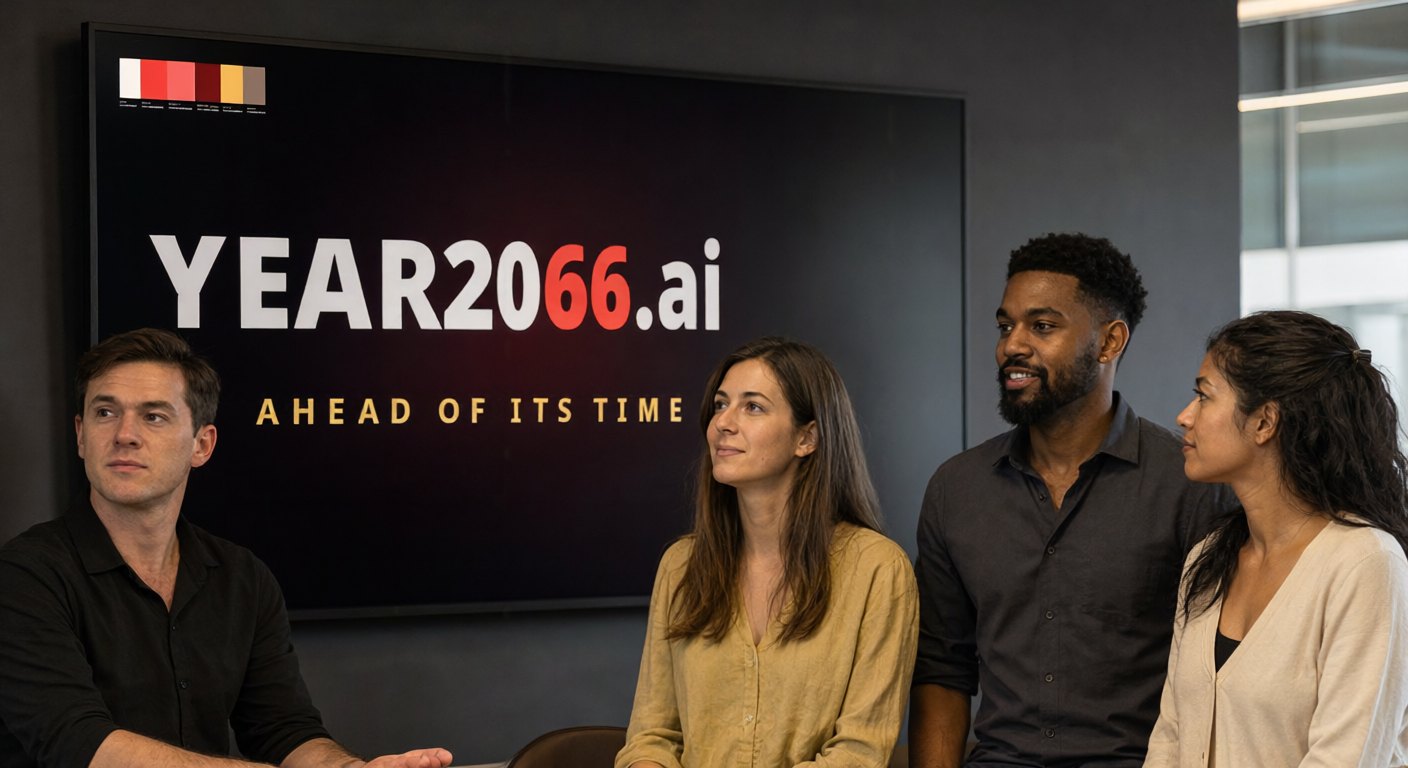
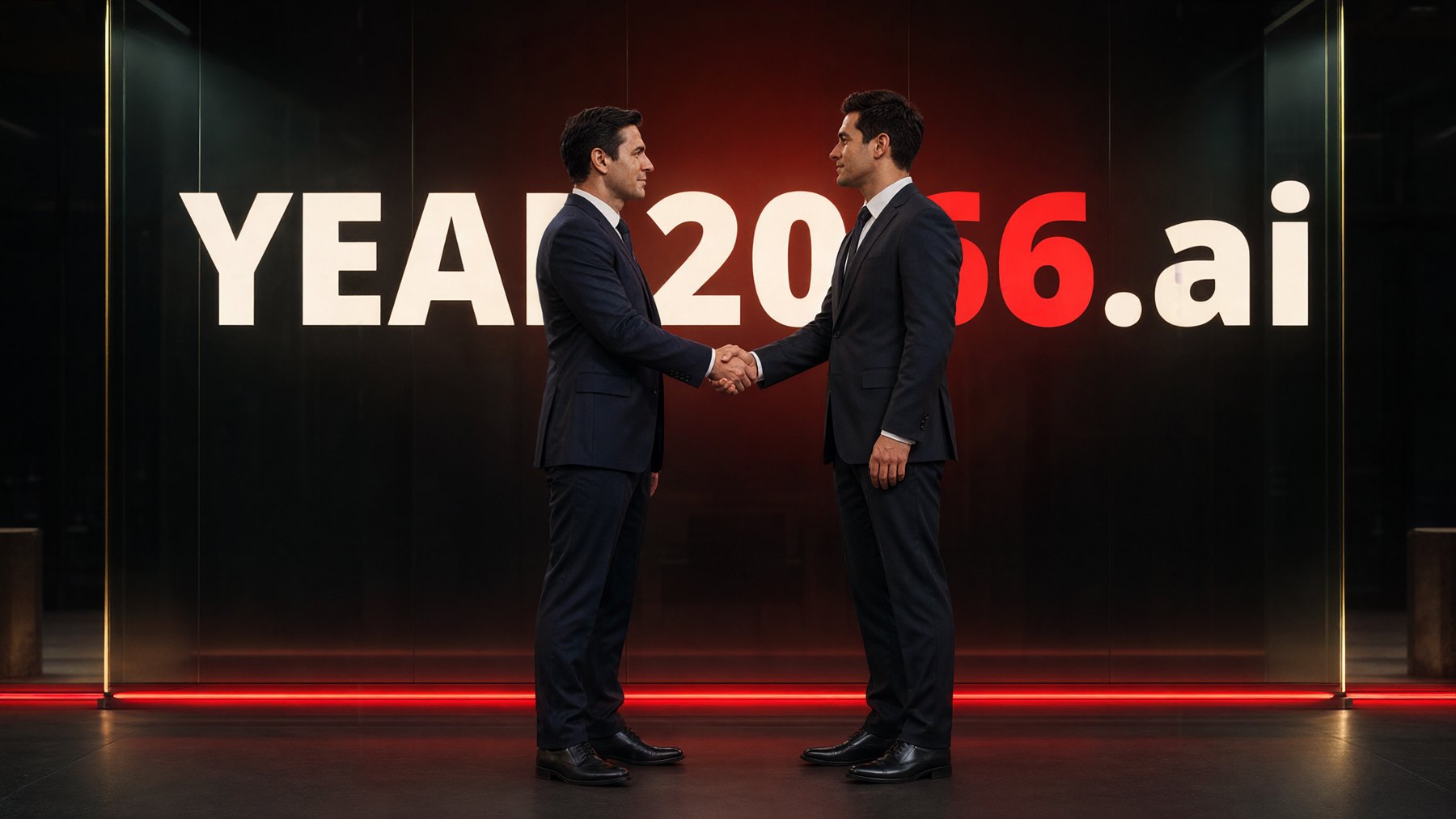
Your wordmark on a billboard, from one reference image
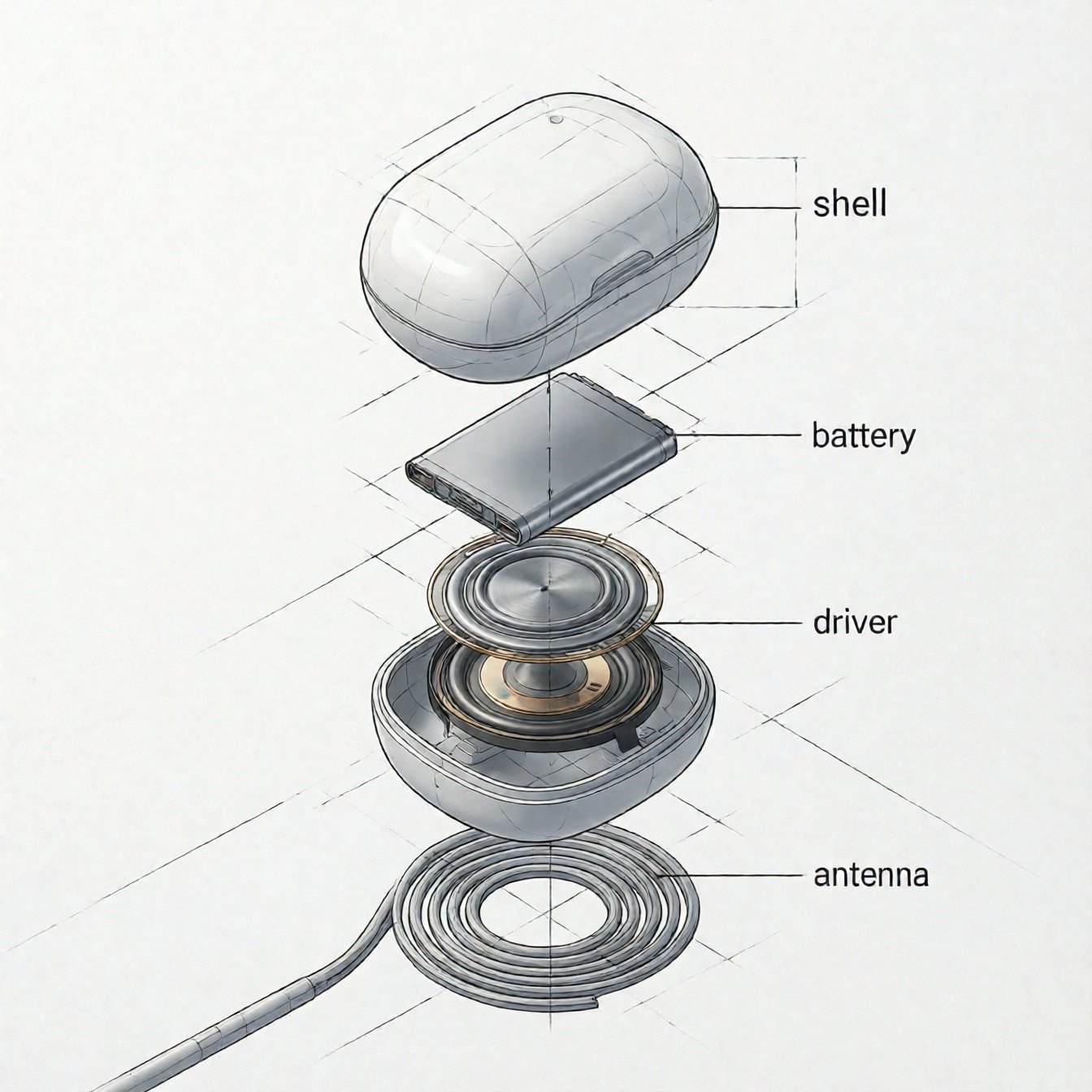
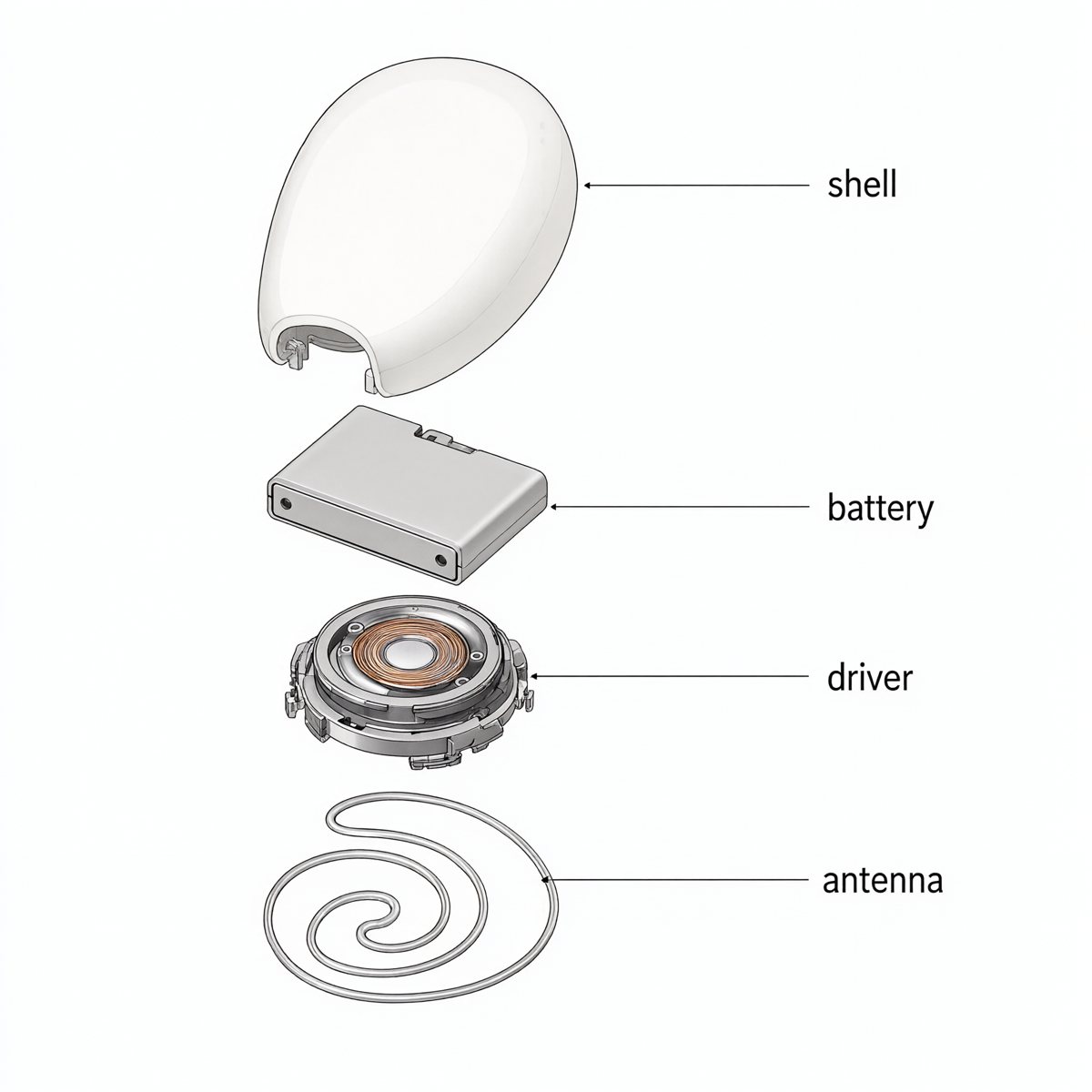
Exploded schematic with exact labels
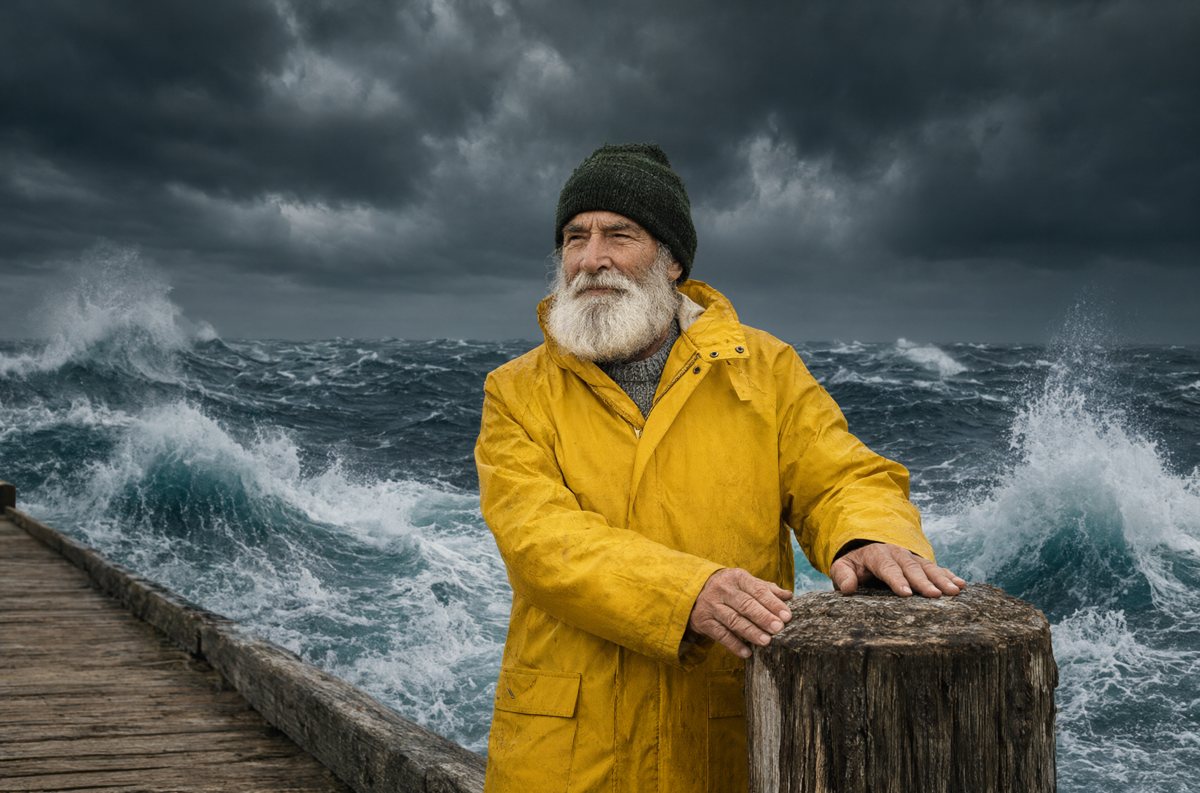
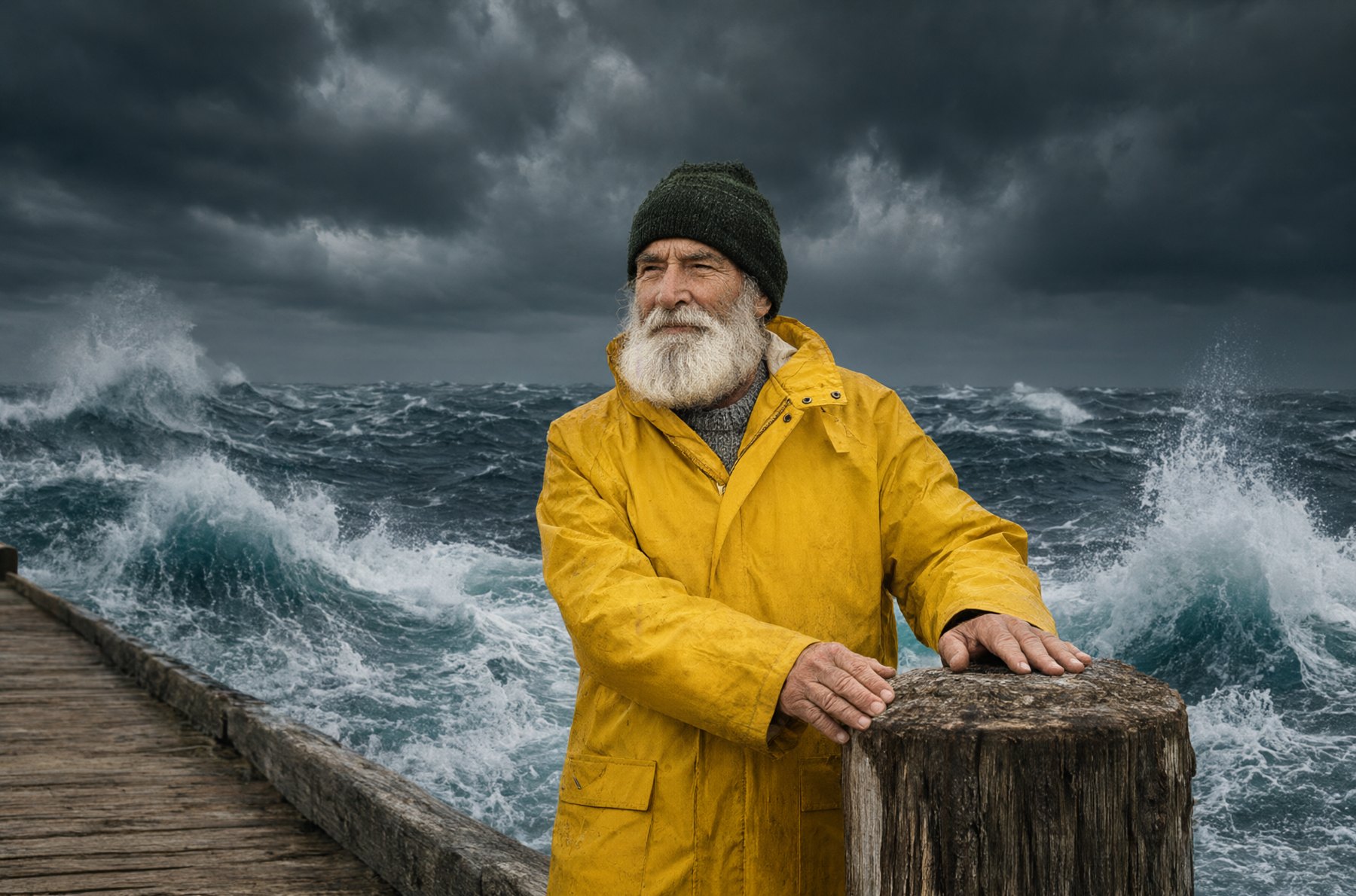
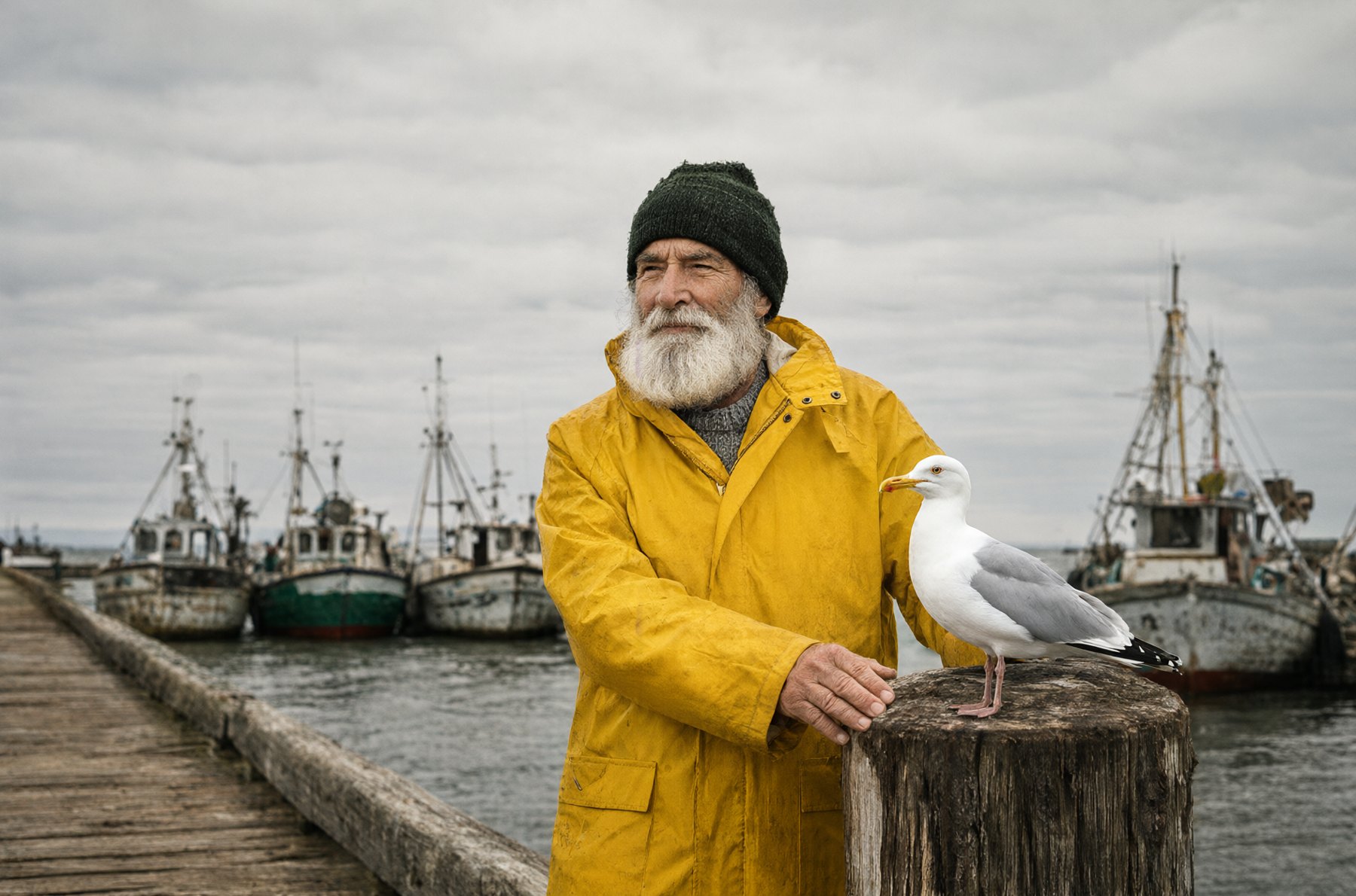
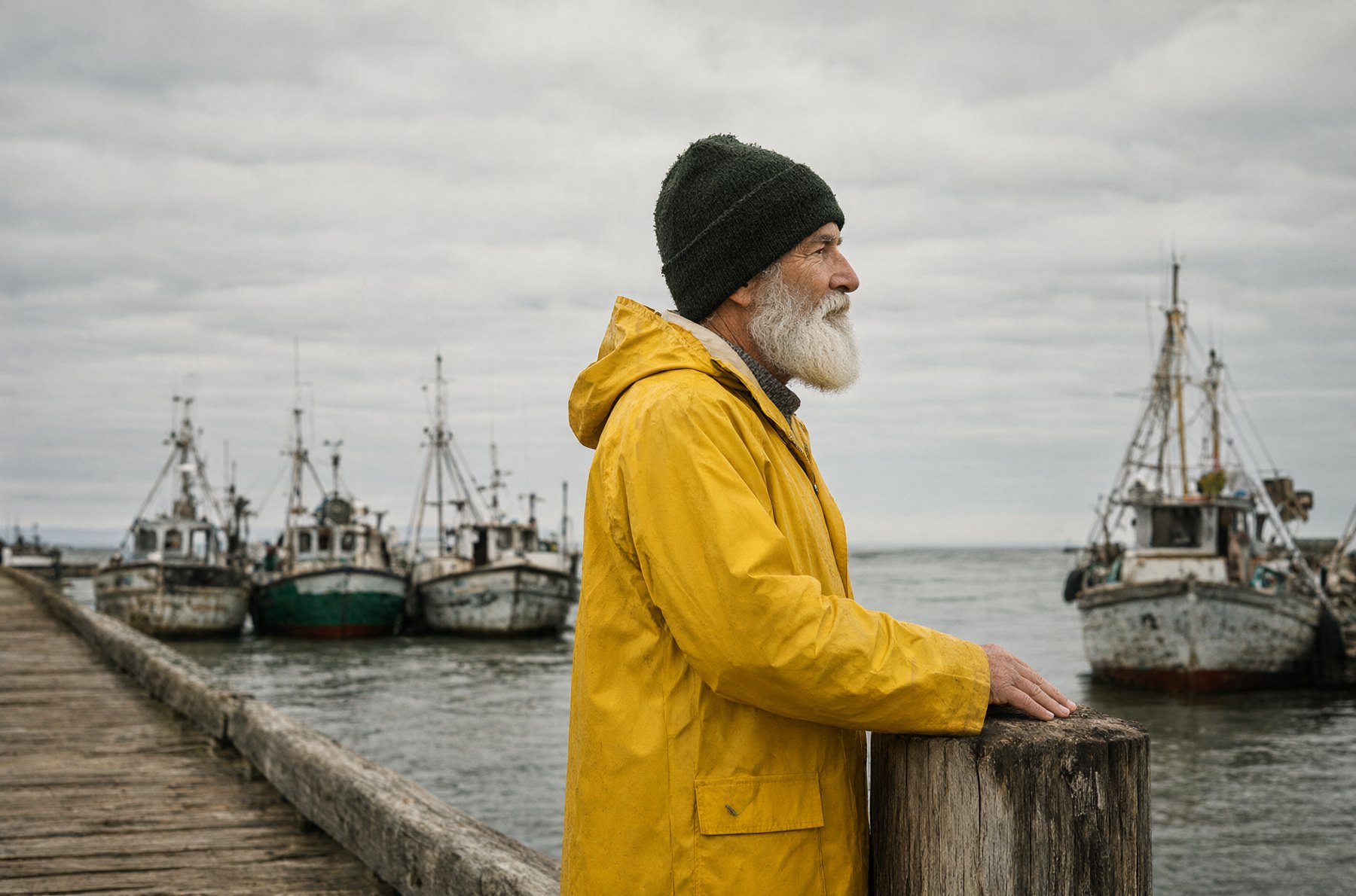
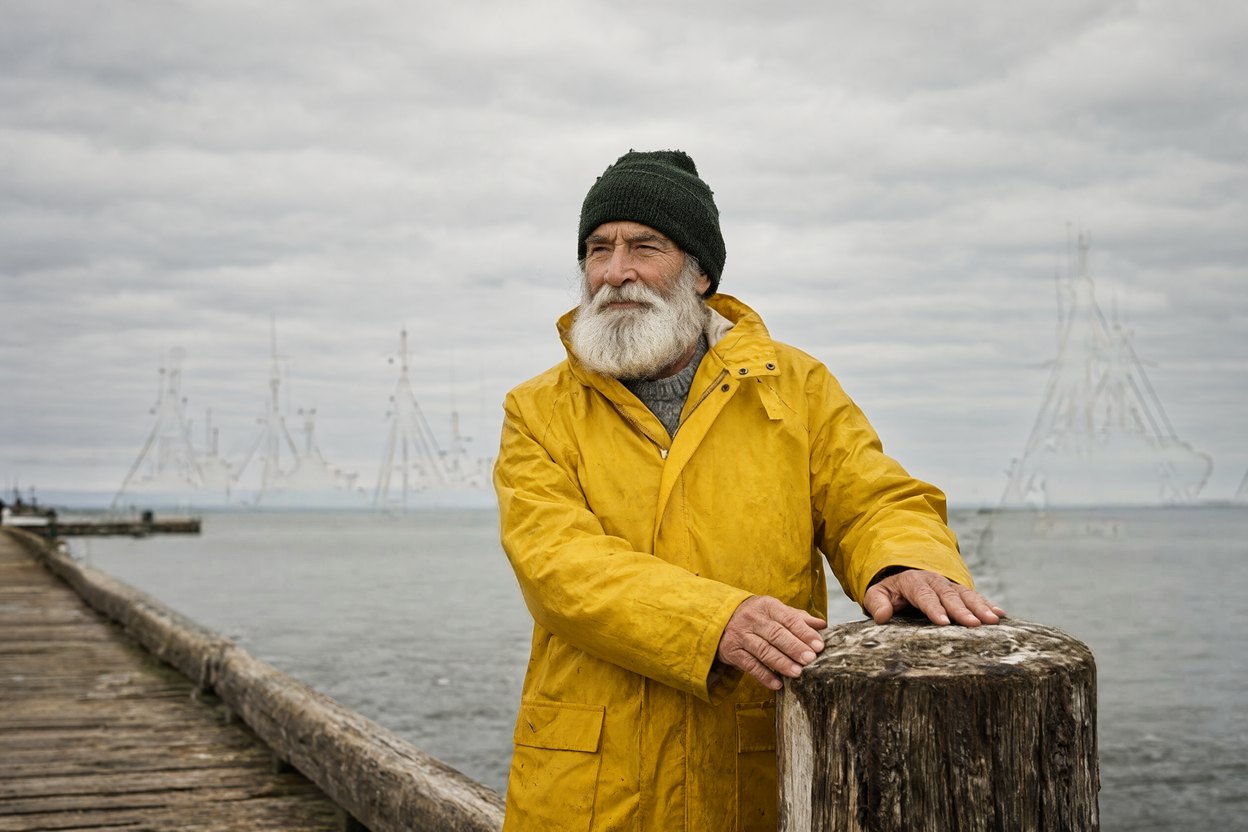
Edit: harbour swapped for a storm sea
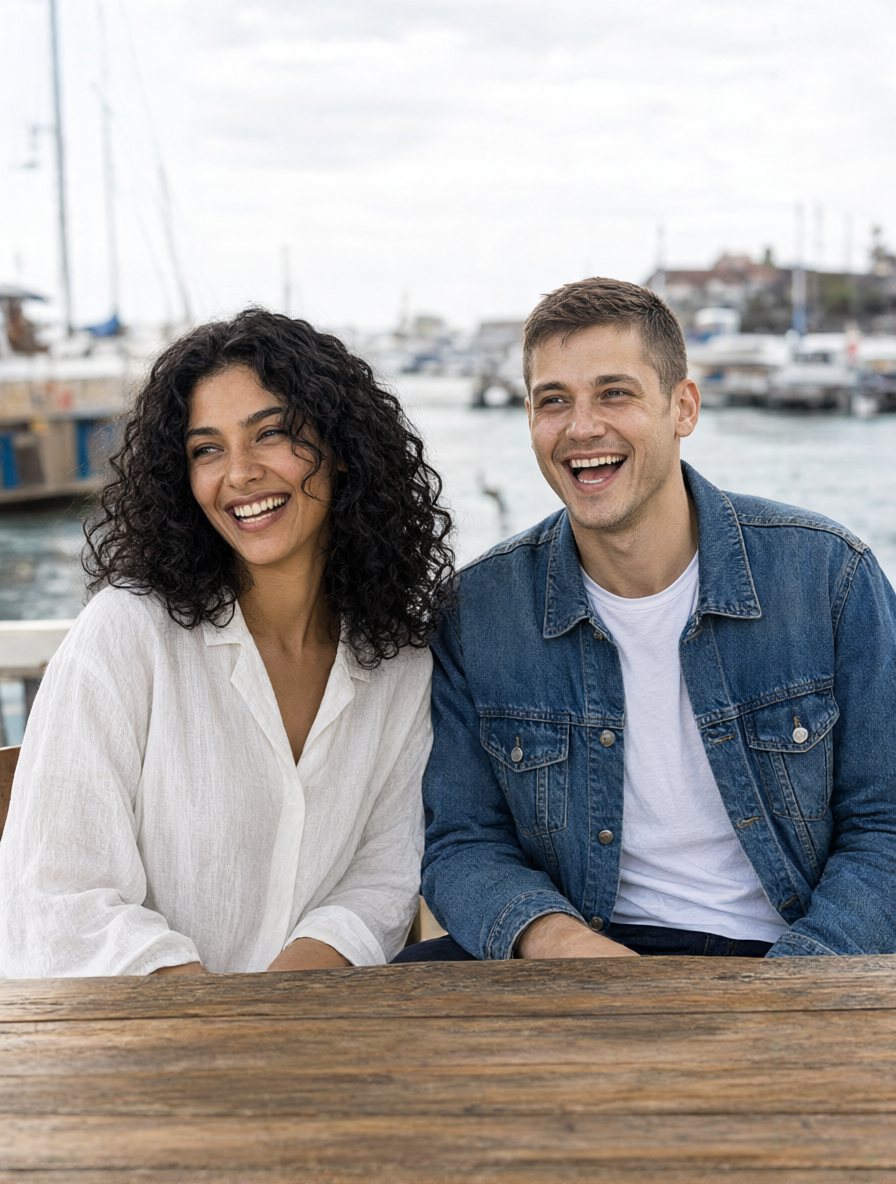
Two reference people, one new photo
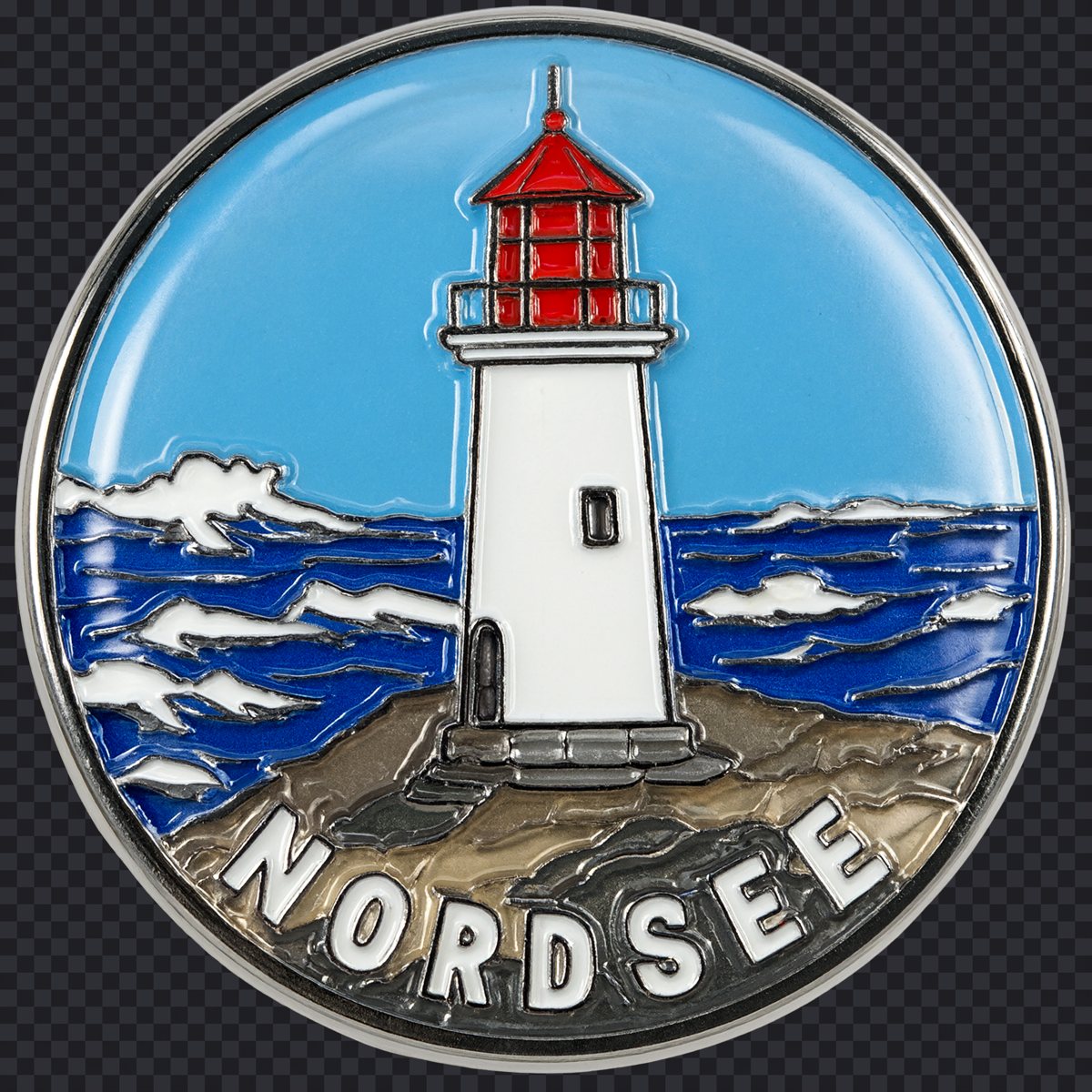
Transparent sticker, straight from the model
6 of 6
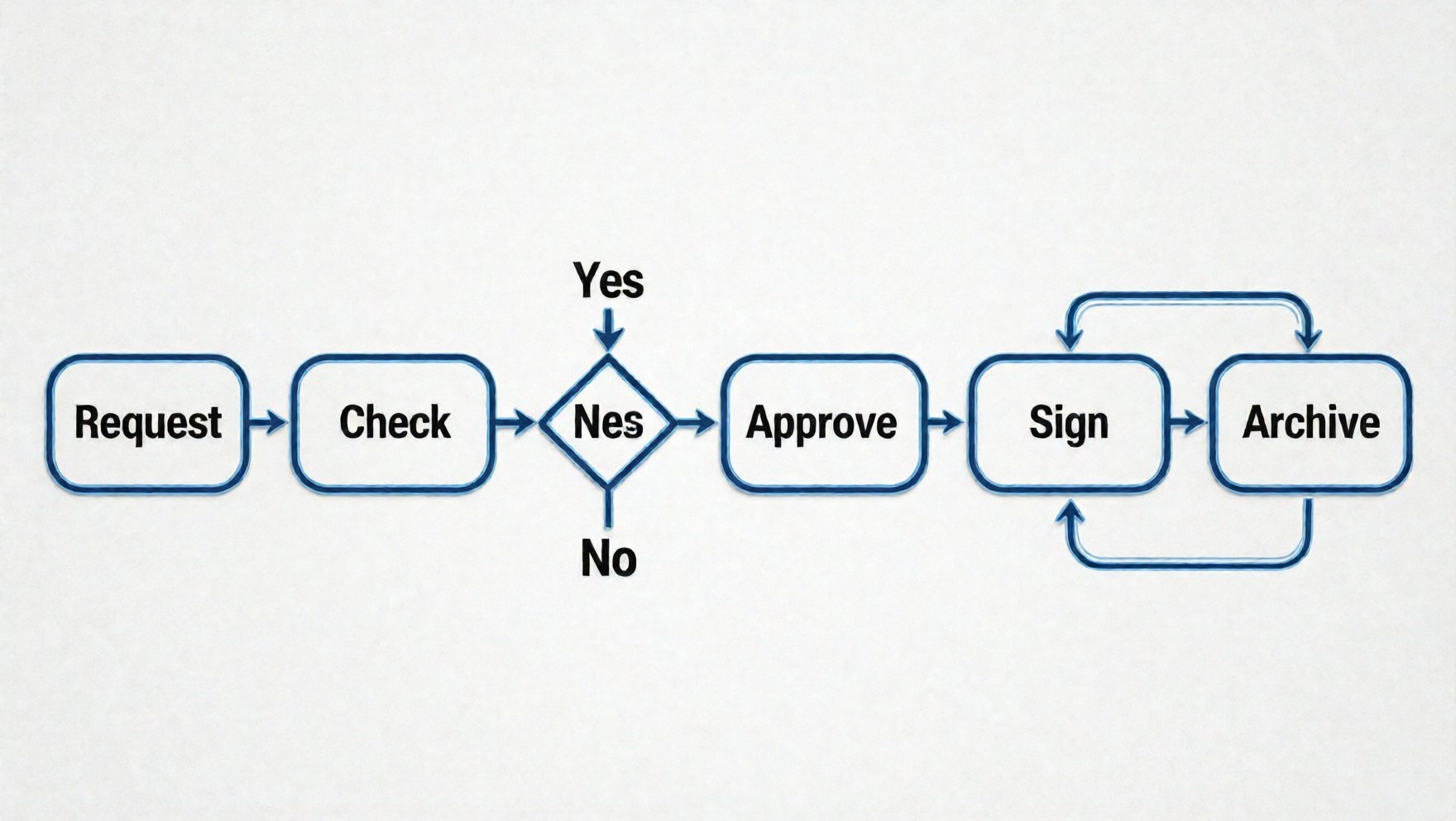
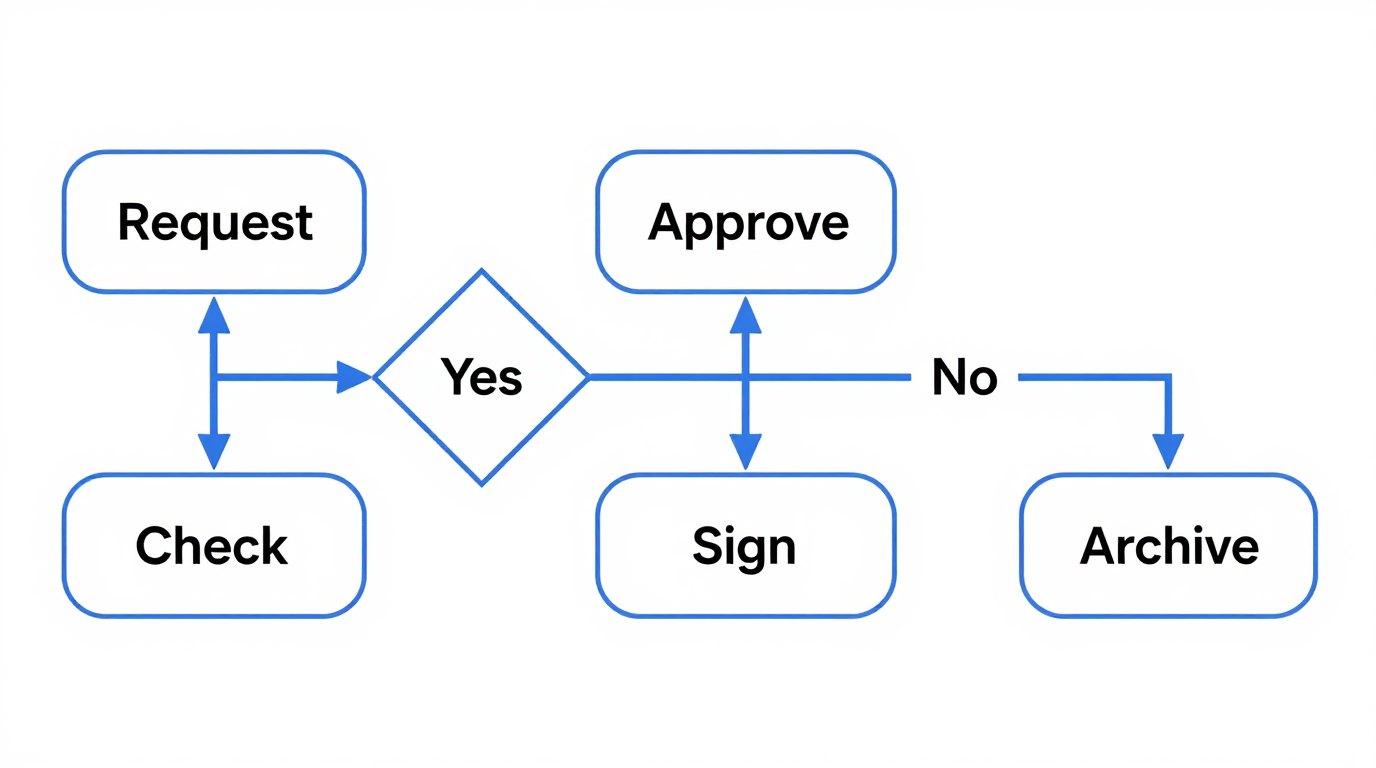
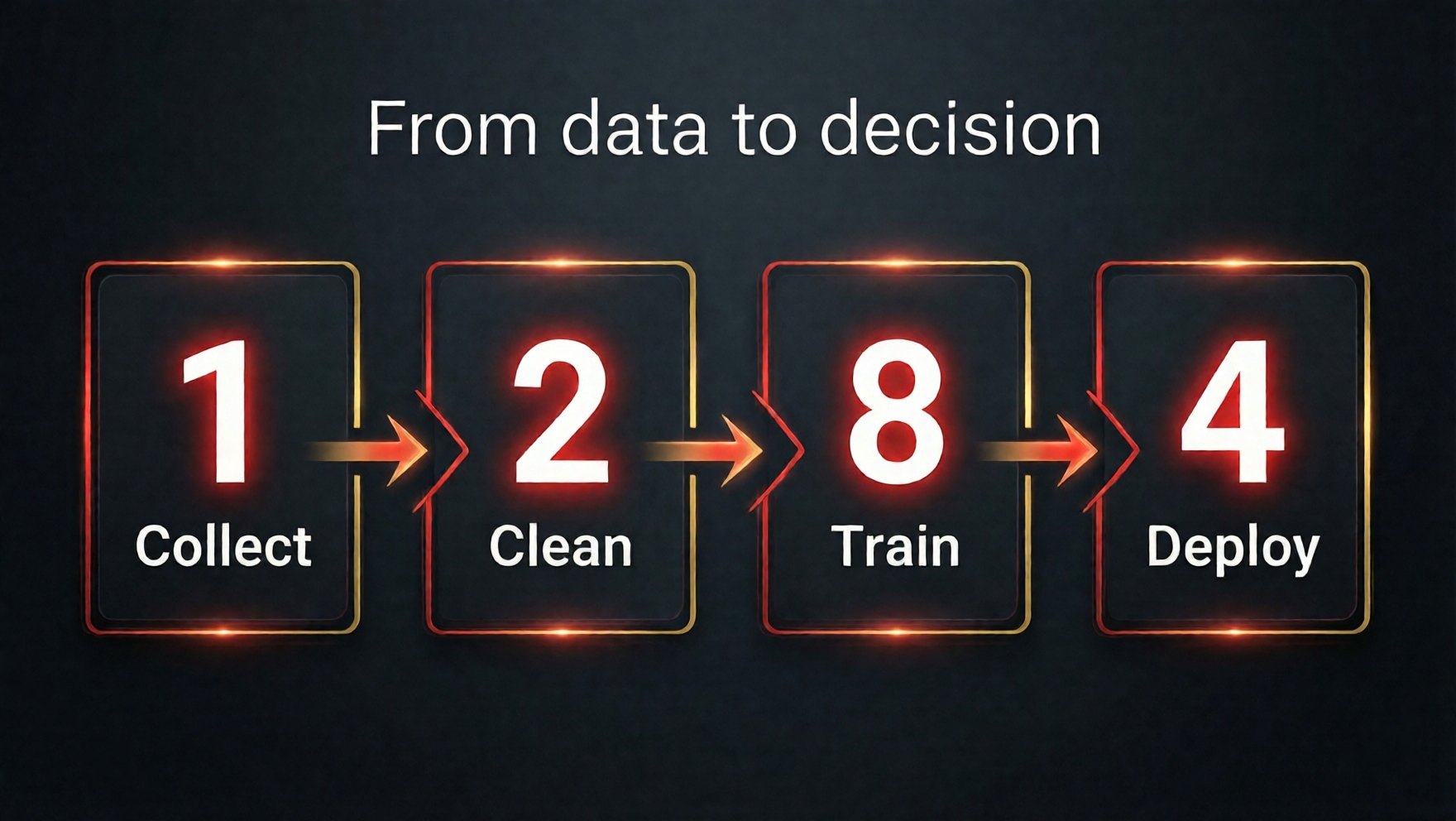
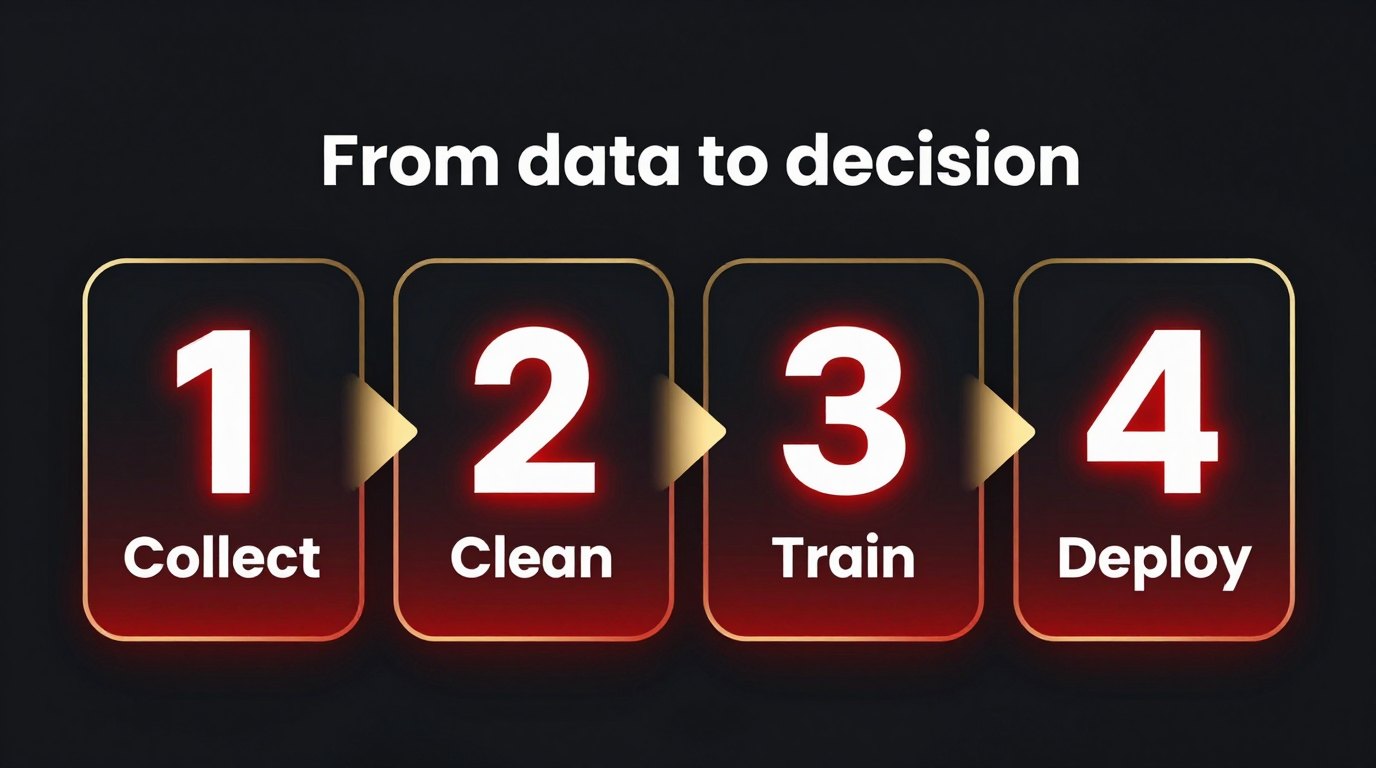
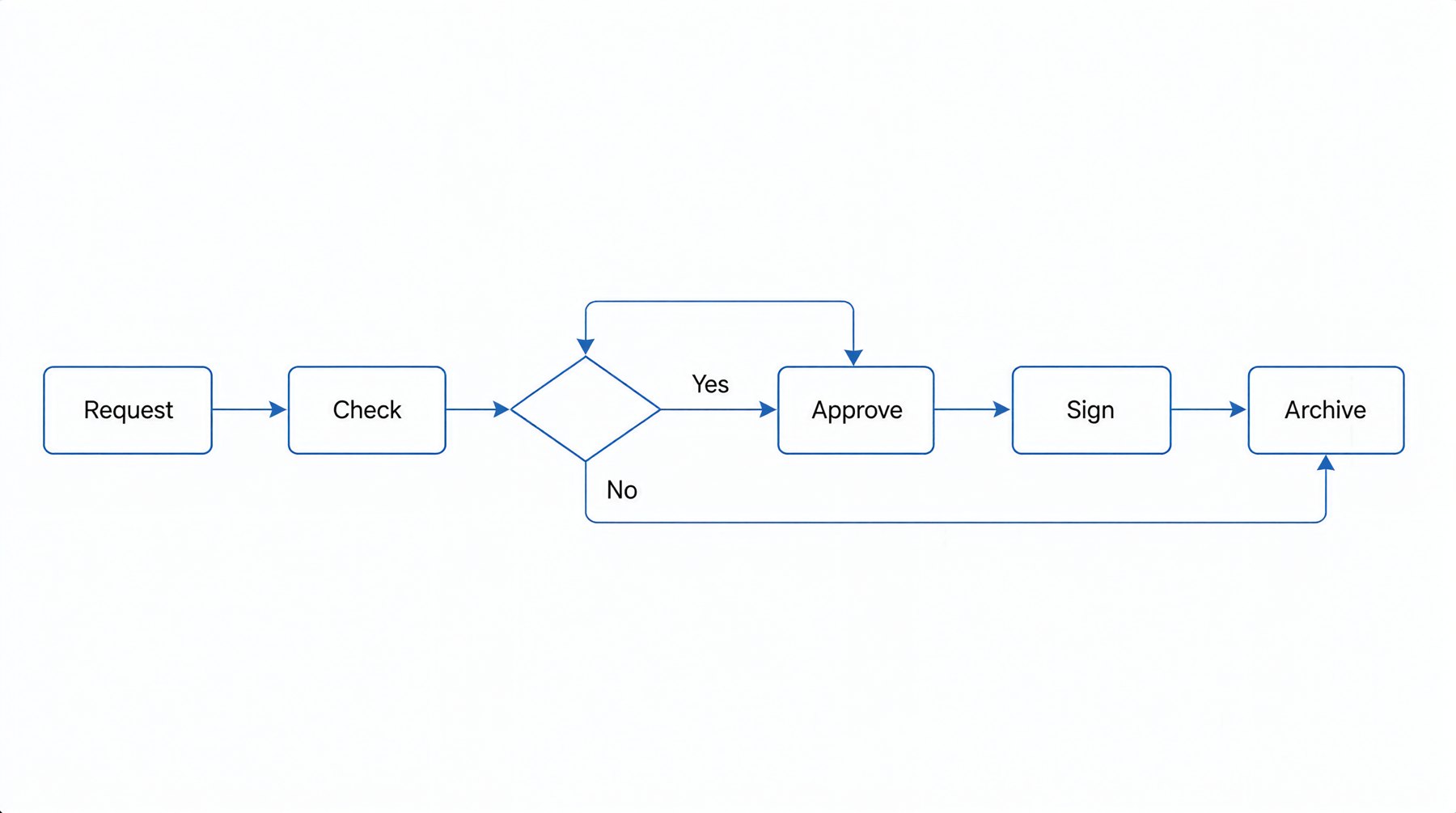
Diagrams with every label and number exact
Qwen-Image-2512: 3 of 6, Z-Image-Turbo: 5 of 6. Brand wordmarks are a separate test, see below.
10 : 2
Edit verdicts against the dedicated edit model
Pairwise, both A/B orders, same source and instruction.
89 %
Field precision, raw prompt
Qwen-Image-2512: 68 %. Eight fields, checked one by one.
5 of 7
Wordmarks pixel exact
Real brand assets as references. The two misses are shown, not hidden.

Your brand, rendered

We handed the model our real wordmark and colour palette as reference images and asked for campaign visuals. No fine-tuning, no logo overlay, just the image model reading the pixels.


the reference wordmark
Reference image 1: the wordmark, cropped from our social cover
Key visual, wordmark plus palette as referenceswordmark exact
Key visual, wordmark plus palette as references
Billboard: the empty board was generated first, then the wordmark placed on itwordmark exact
Billboard: the empty board was generated first, then the wordmark placed on it
Campaign photo: wall screen carries the wordmarkwordmark exact
Campaign photo: wall screen carries the wordmark
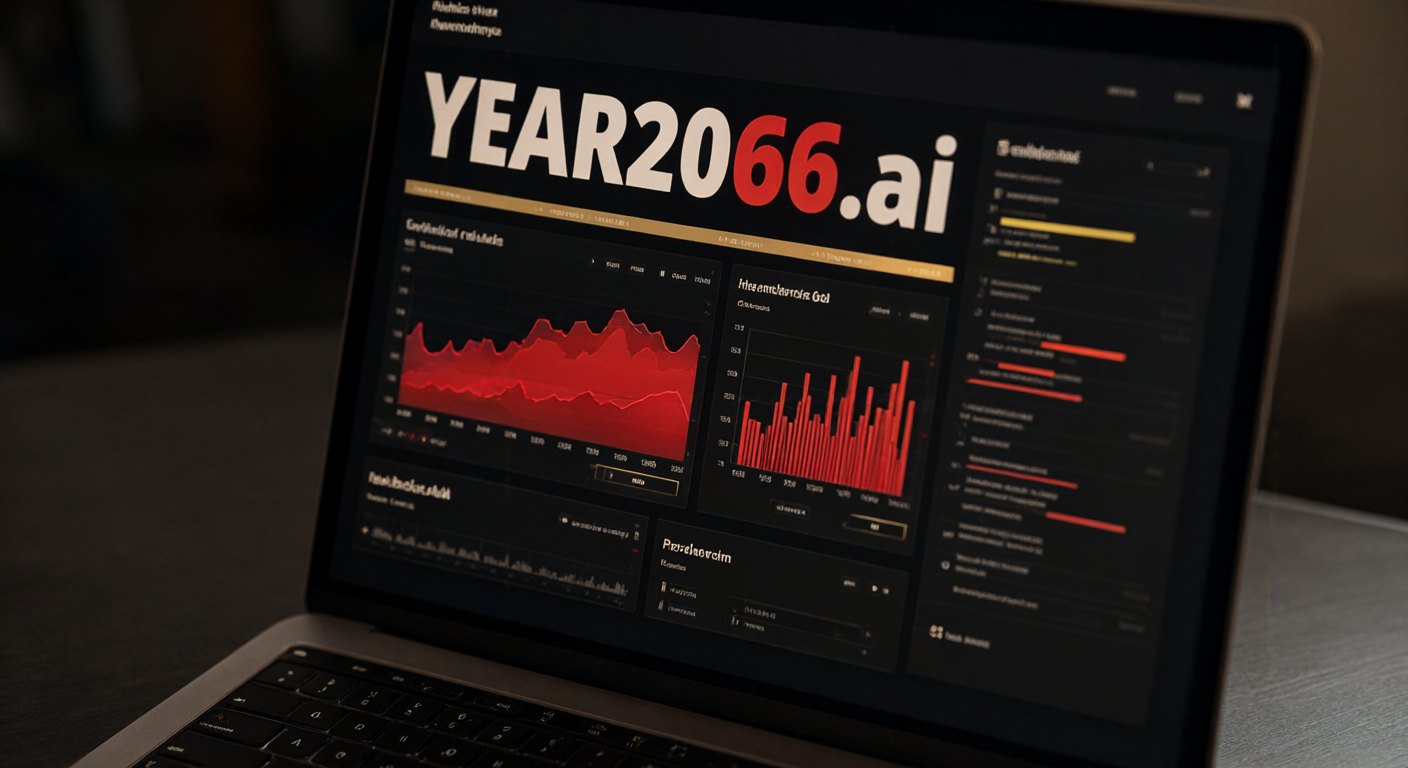
Campaign photo: dashboard headerwordmark exact
Campaign photo: dashboard header
Poster from text only, no reference imagewordmark exact
Poster from text only, no reference image
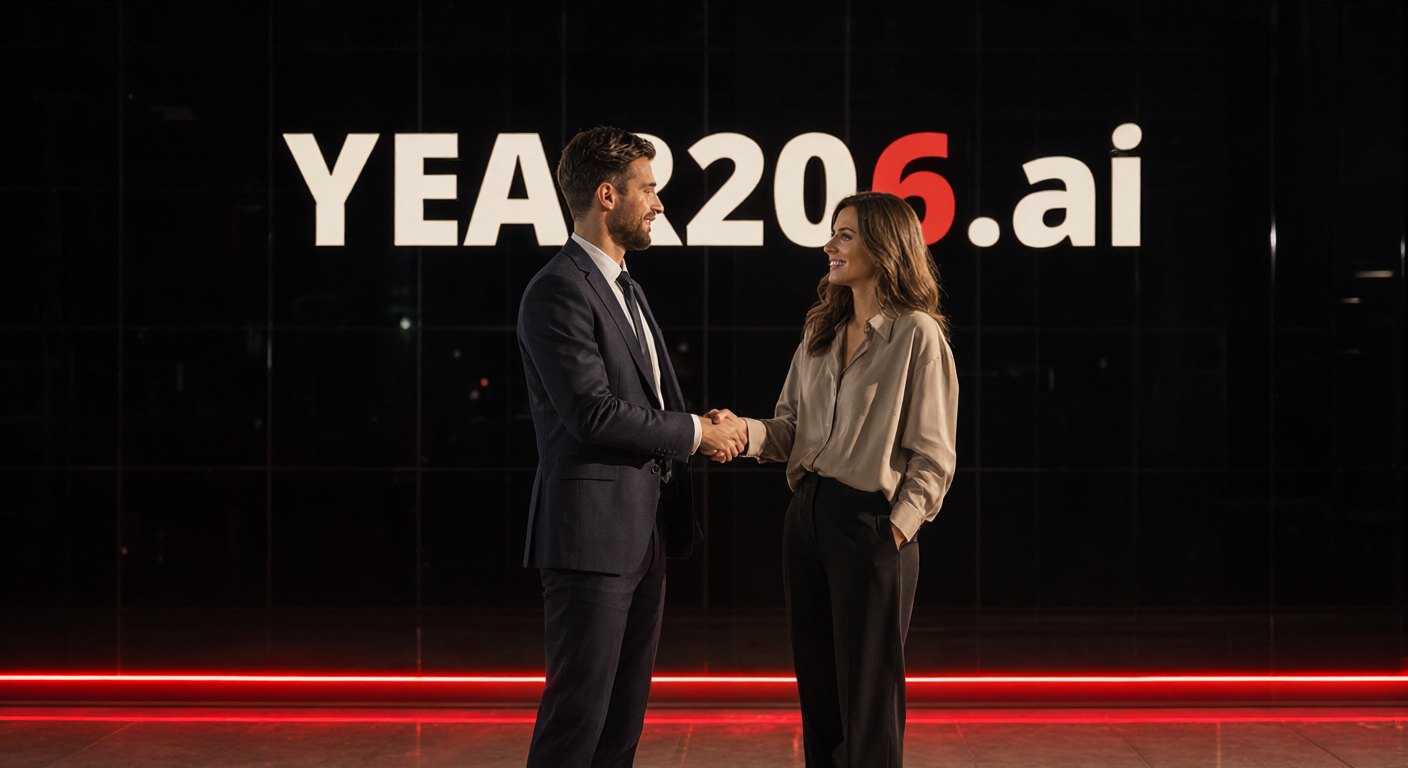
Glass wall: one digit lost at two referencesdigit lost
Glass wall: one digit lost at two references
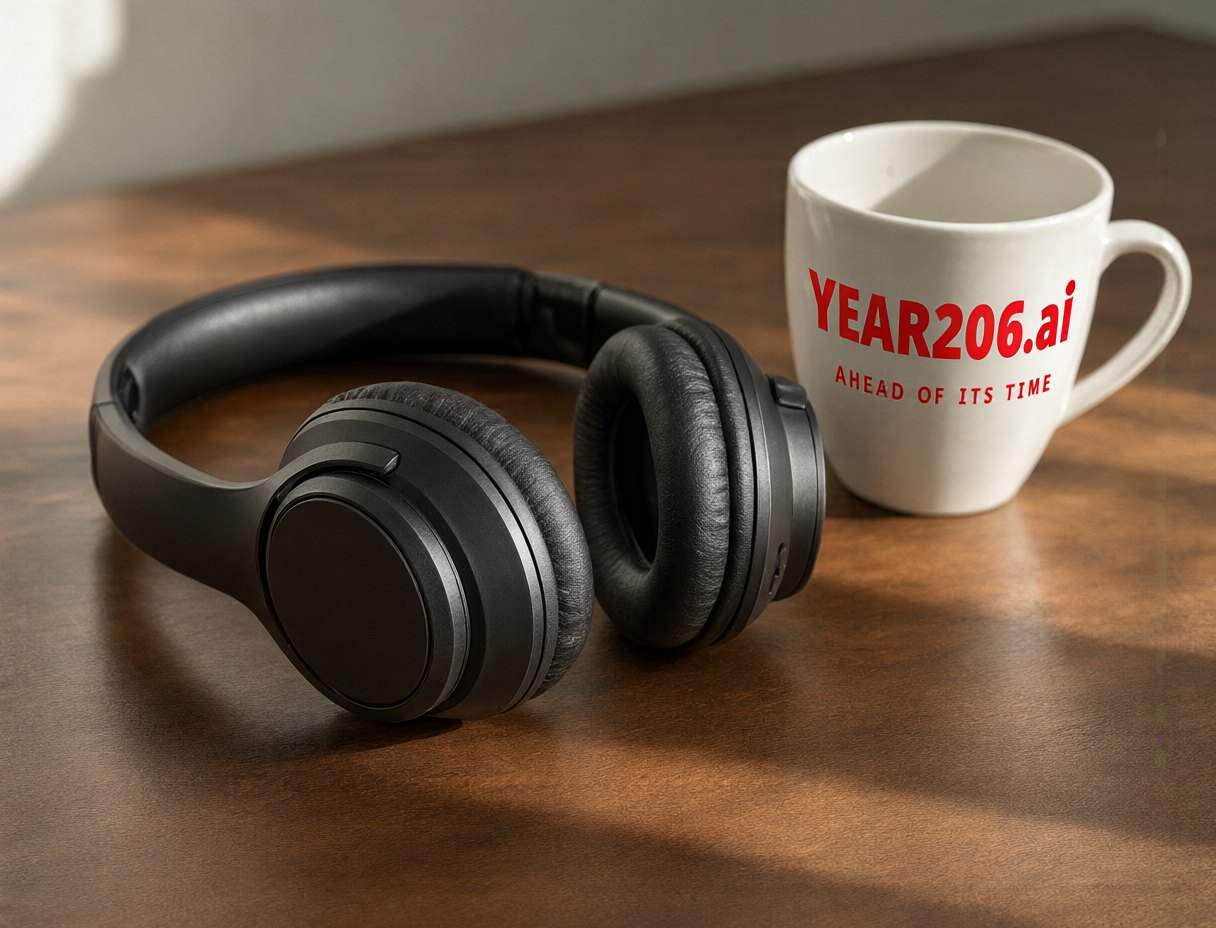
Curved mug print: one digit lost at two referencesdigit lost
Curved mug print: one digit lost at two references
What we learned: with the wordmark as the only reference the letters come out exact. Add a second reference image and each image gets half the working area, and small curved lettering starts to lose characters. Shown honestly above: two of seven visuals dropped a digit.
Same request, the wordmark as the only reference: exact letters, full working areafollow-up
Same request, the wordmark as the only reference: exact letters, full working area
Key visual with one reference and the palette in wordsfollow-up
Key visual with one reference and the palette in words
The dedicated edit model followed a misread transcription of the wordmarkQwen-Image-Edit-25112060
The dedicated edit model followed a misread transcription of the wordmark
The dedicated edit model painted "YEAR2060": our prompt rewriter had transcribed the wordmark from the image and misread it. Qwen-Image-2.1 copied the pixels instead. The rewriter now refers to text in reference images by role and never spells it out.

Charts people can actually read

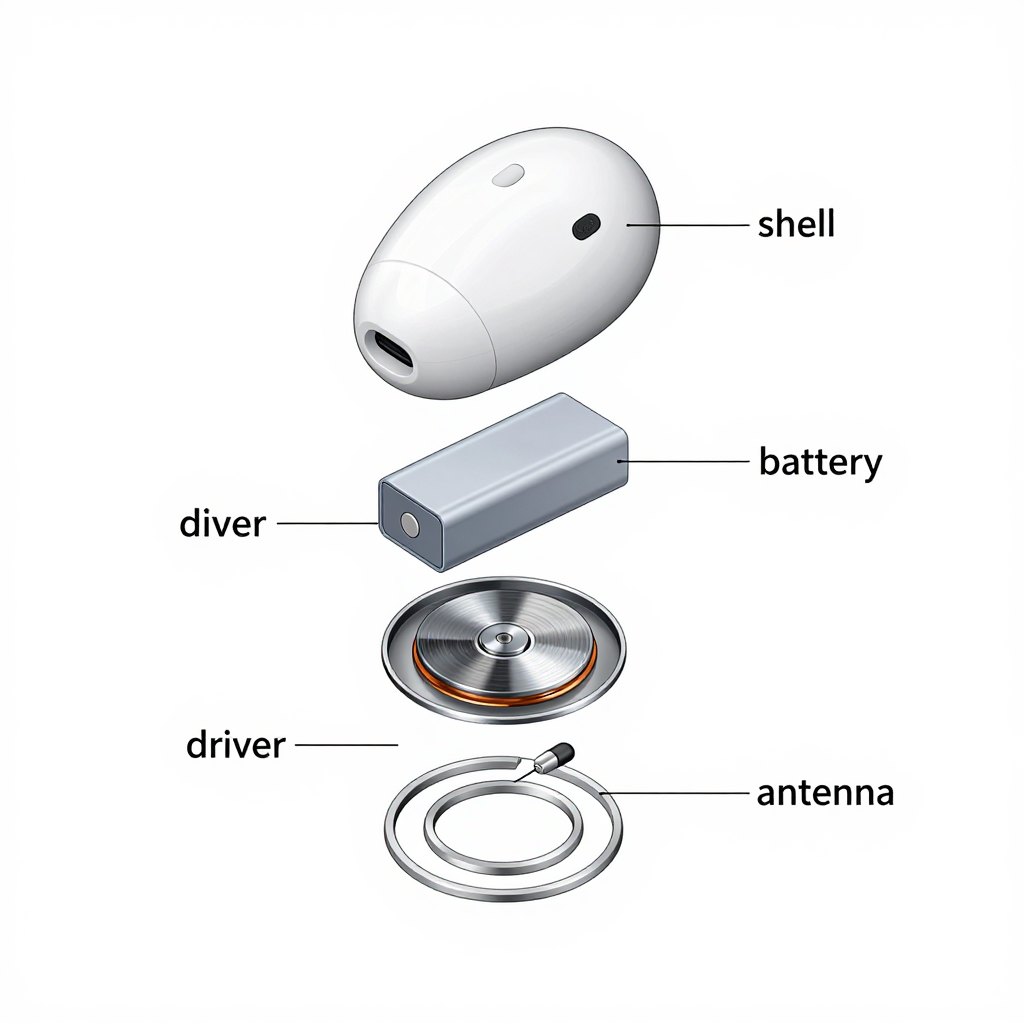
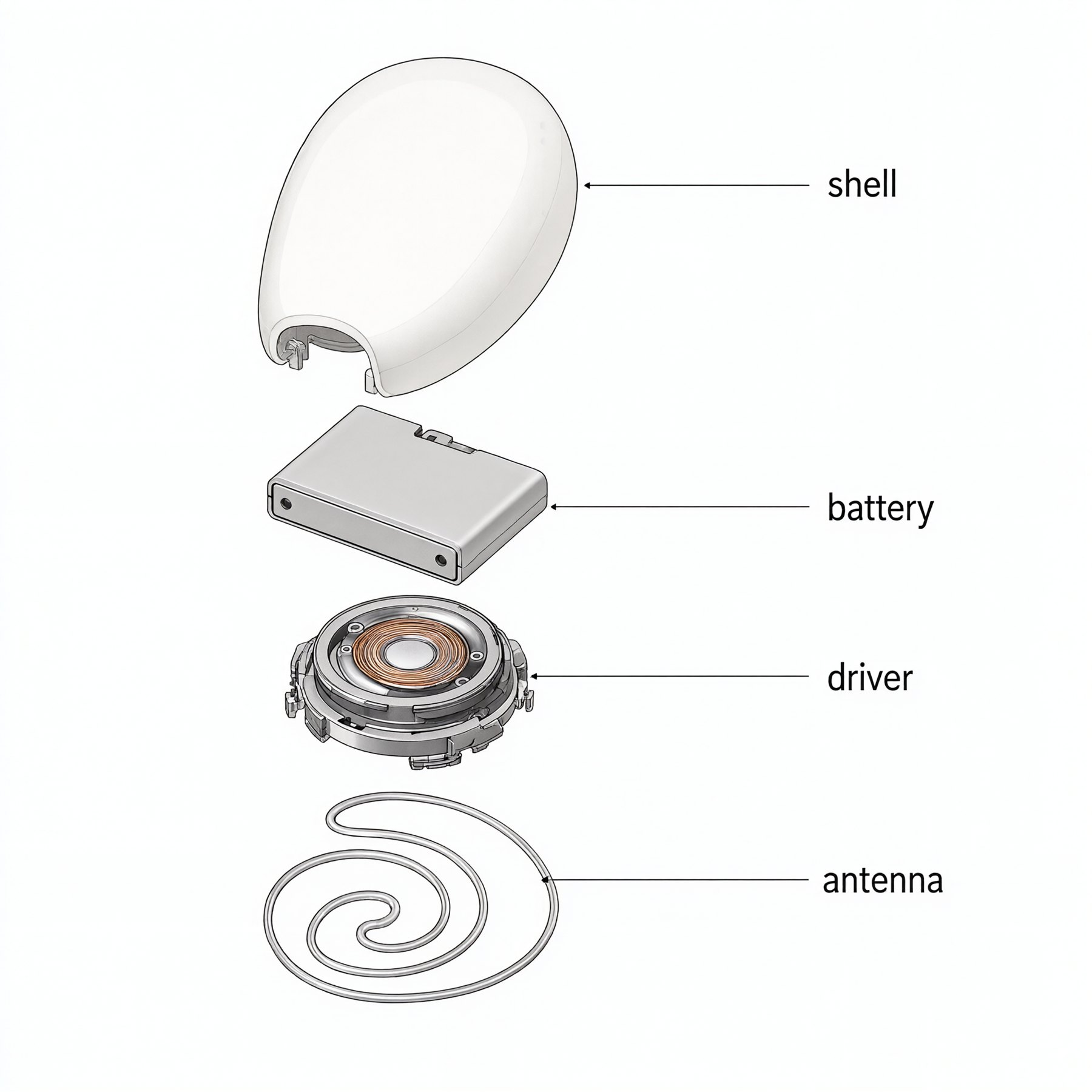
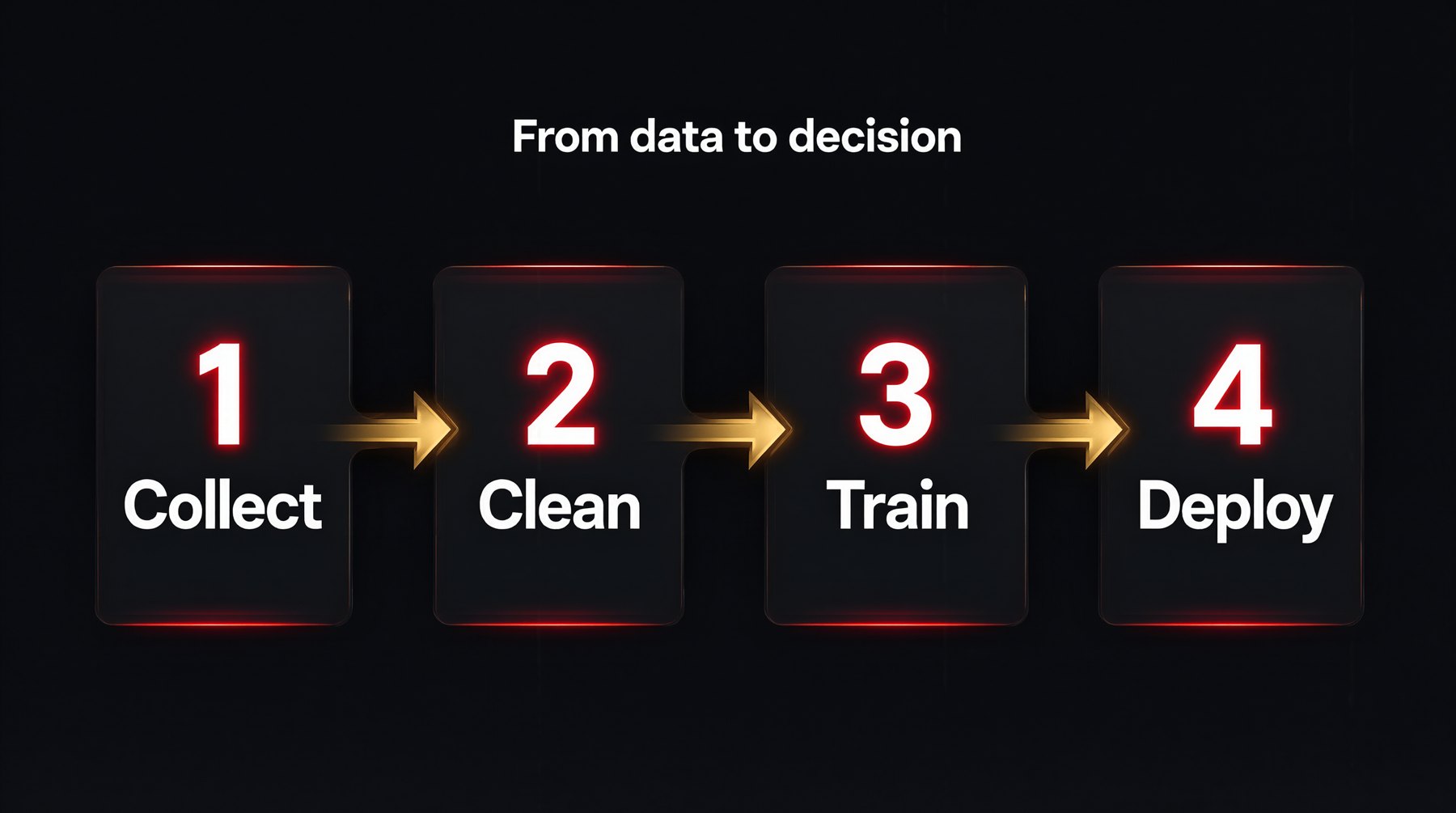
Six diagram requests with exact labels and numbers. Text accuracy is what separates a usable infographic from decoration: Qwen-Image-2.1 got every label and number right on all 6 diagrams (judge text score 10 of 10 each), Qwen-Image-2512 on 3 and Z-Image-Turbo on 5. Look for "diver", "Nes", the "8" that should be a "3" and the broken flow order.

Exploded earbud: shell, battery, driver, antenna
Flowchart with a decision node after Check
Four numbered steps, dark background, red and gold
ModelJudge score, 6 diagramsText accuracy
Qwen-Image-2.19.4210
Z-Image-Turbo8.969.33
Qwen-Image-2512 Lightning8.298.67

Edits without adapters

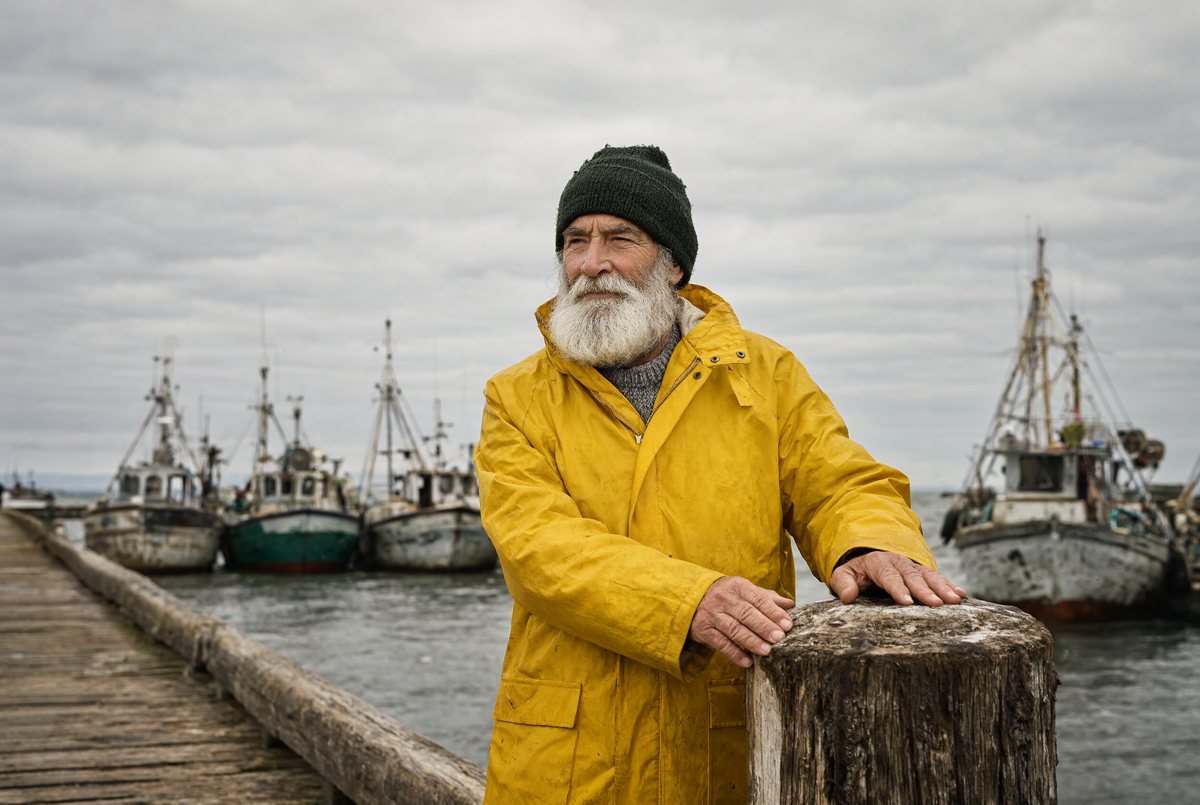
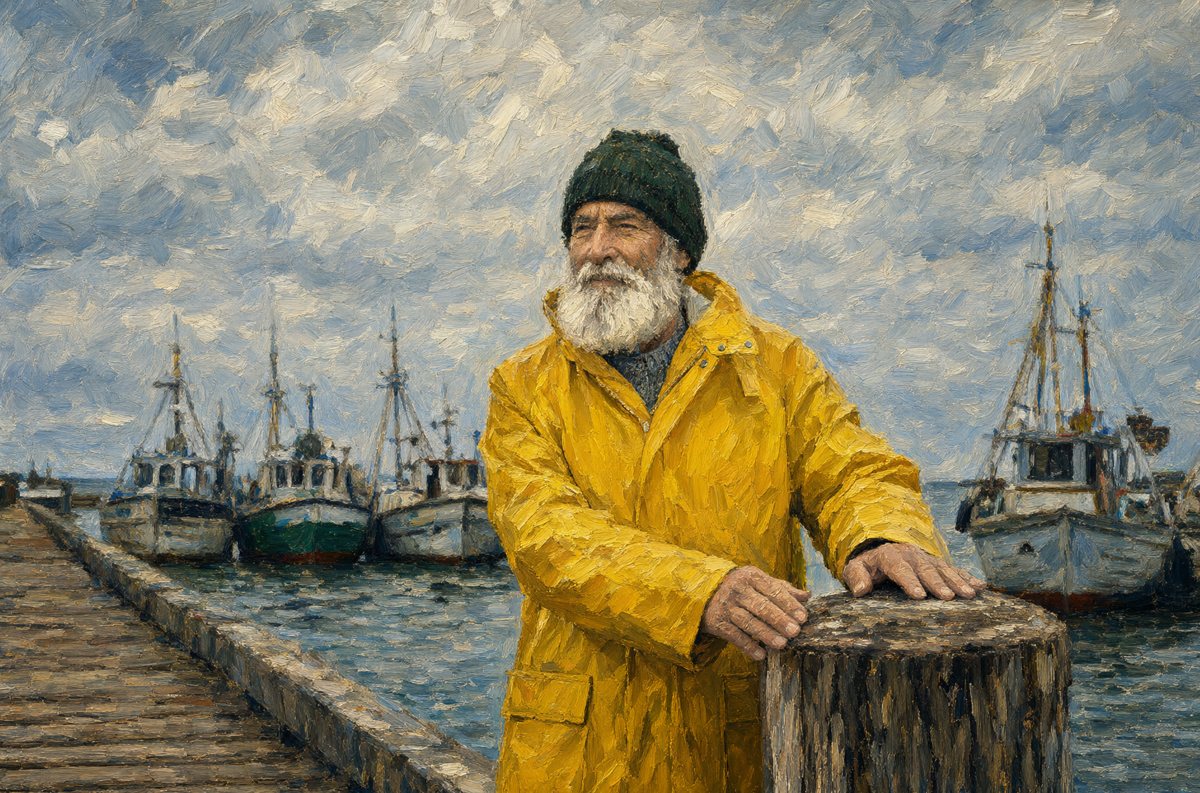
One generated source, six plain-language instructions. Qwen-Image-2.1 edits with the same weights it generates with, at 1888×1248 in about 50 seconds each. Against the dedicated edit model with its adapters it won 10 of 12 pairwise verdicts.
afterbefore
beforeafter

Drag: harbour to storm sea. The fisherman, his hands and the post stay put.
afterbefore
beforeafter

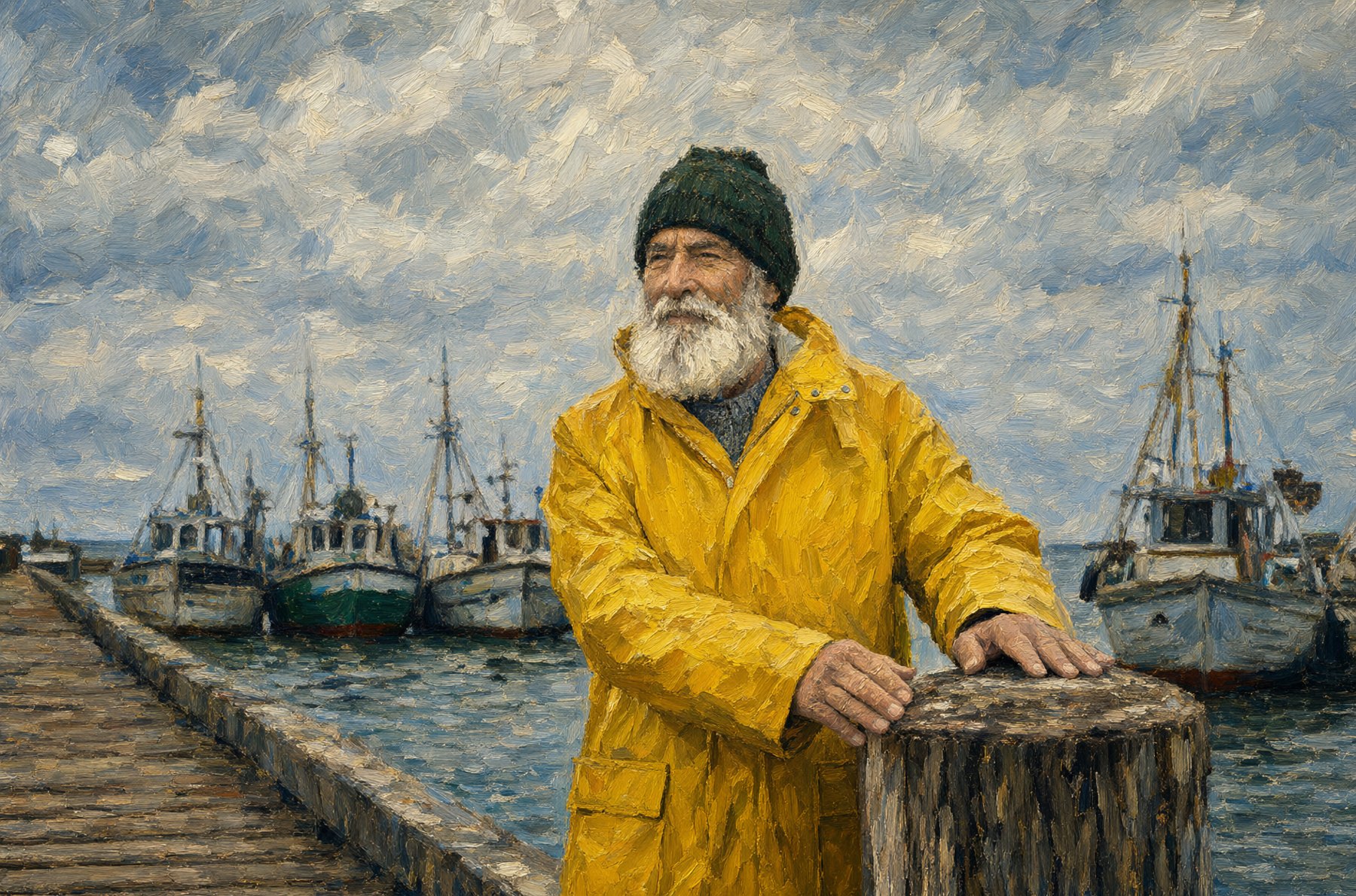
Drag: photo to impressionist oil painting, composition kept.
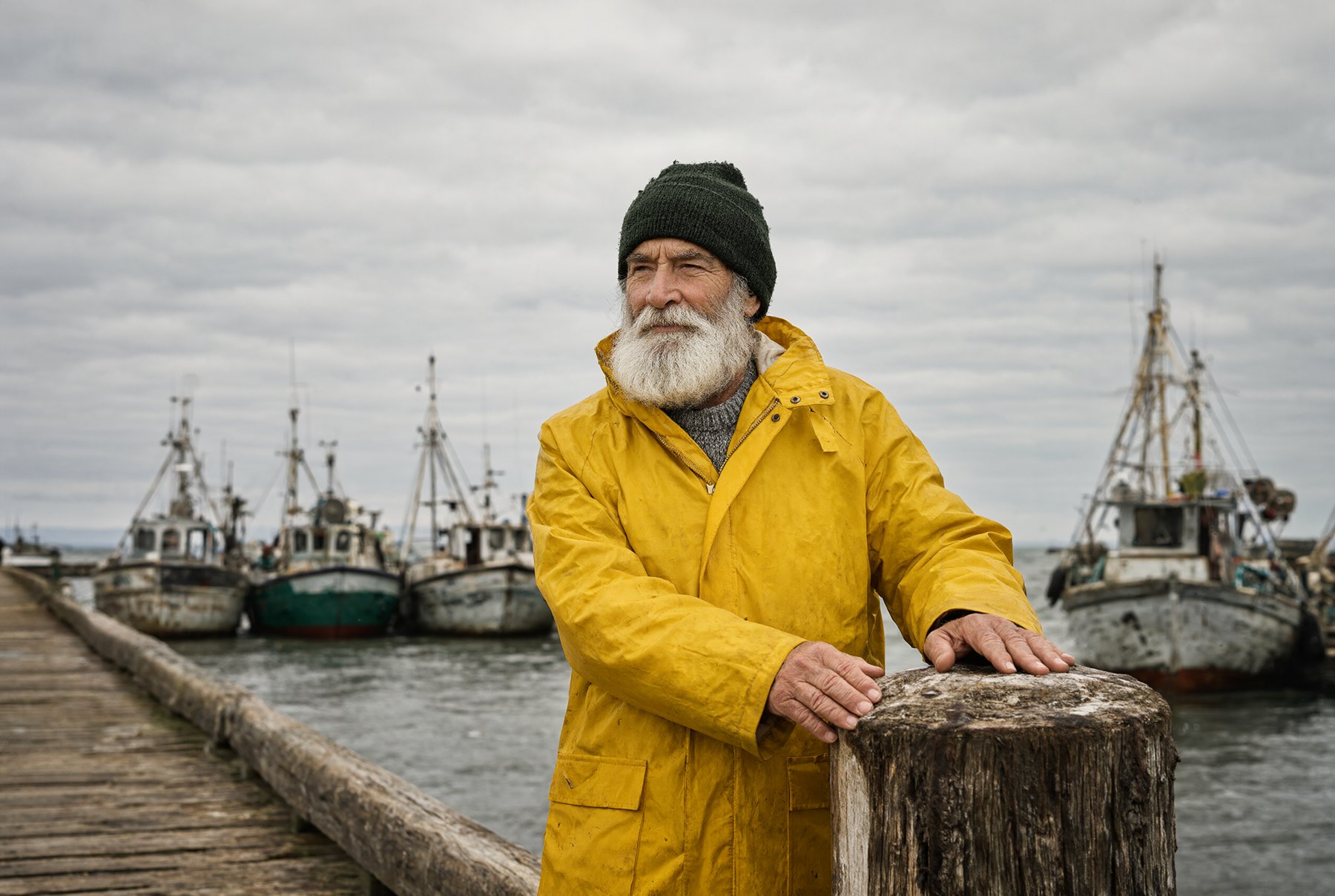
Source, generated by the same modelsource
Source, generated by the same model
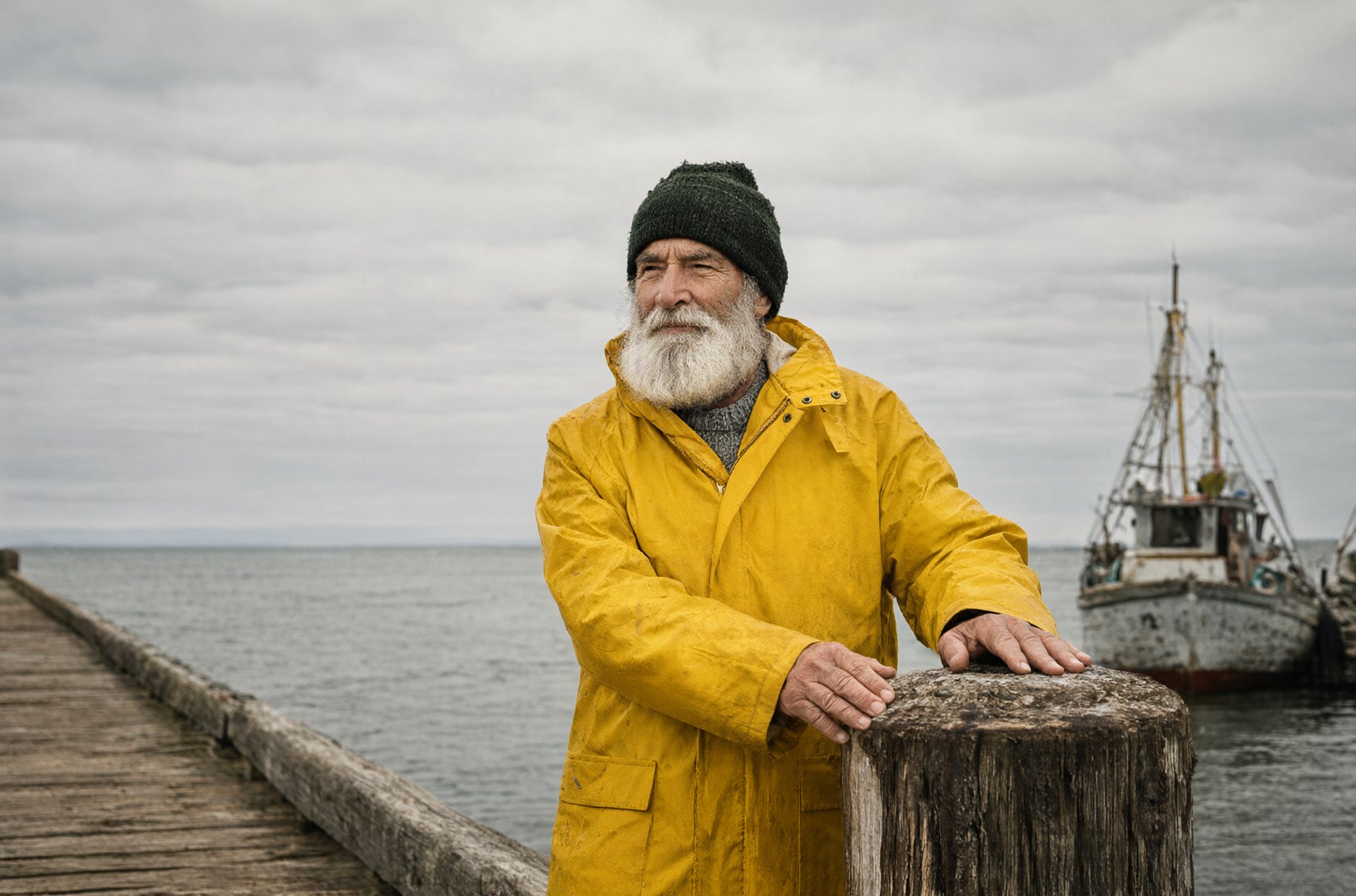
Replace the harbour with a storm seaØ 9.0
Replace the harbour with a storm sea
Add a seagull on the postØ 9.5
Add a seagull on the post
Remove the three boatsØ 7.5
Remove the three boats
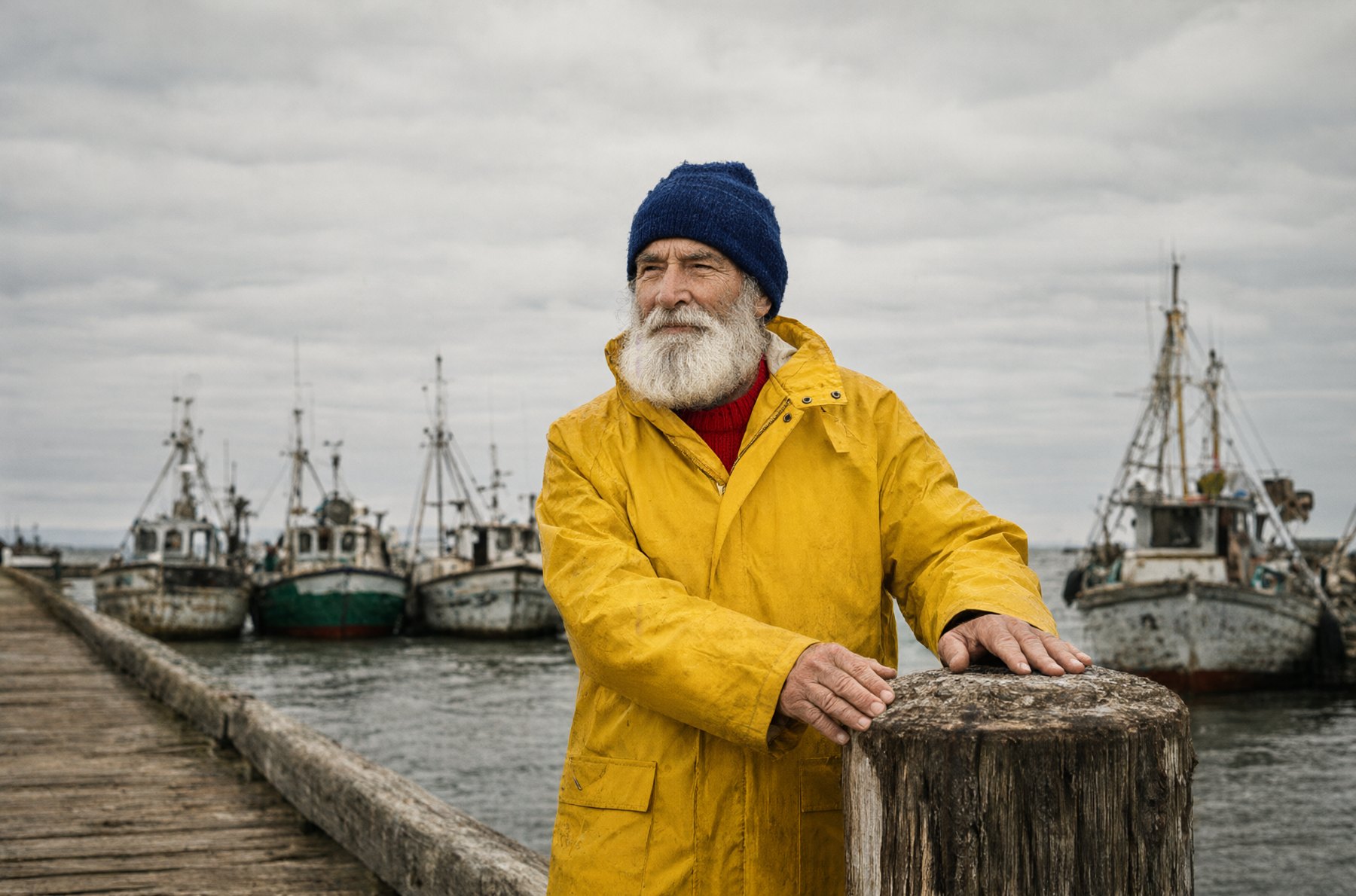
Sweater red, cap dark blueØ 9.5
Sweater red, cap dark blue
Impressionist oil paintingØ 9.0
Impressionist oil painting
Right side view at eye levelØ 9.2
Right side view at eye level

Where both stumbled

Qwen-Image-2.1 removed three boats and kept the fourth: the instruction said threeQwen-Image-2.1
Qwen-Image-2.1 removed three boats and kept the fourth: the instruction said three
The remover adapter left ghost outlines of every boatQwen-Image-Edit-2511
The remover adapter left ghost outlines of every boat

Say it once, get it exactly

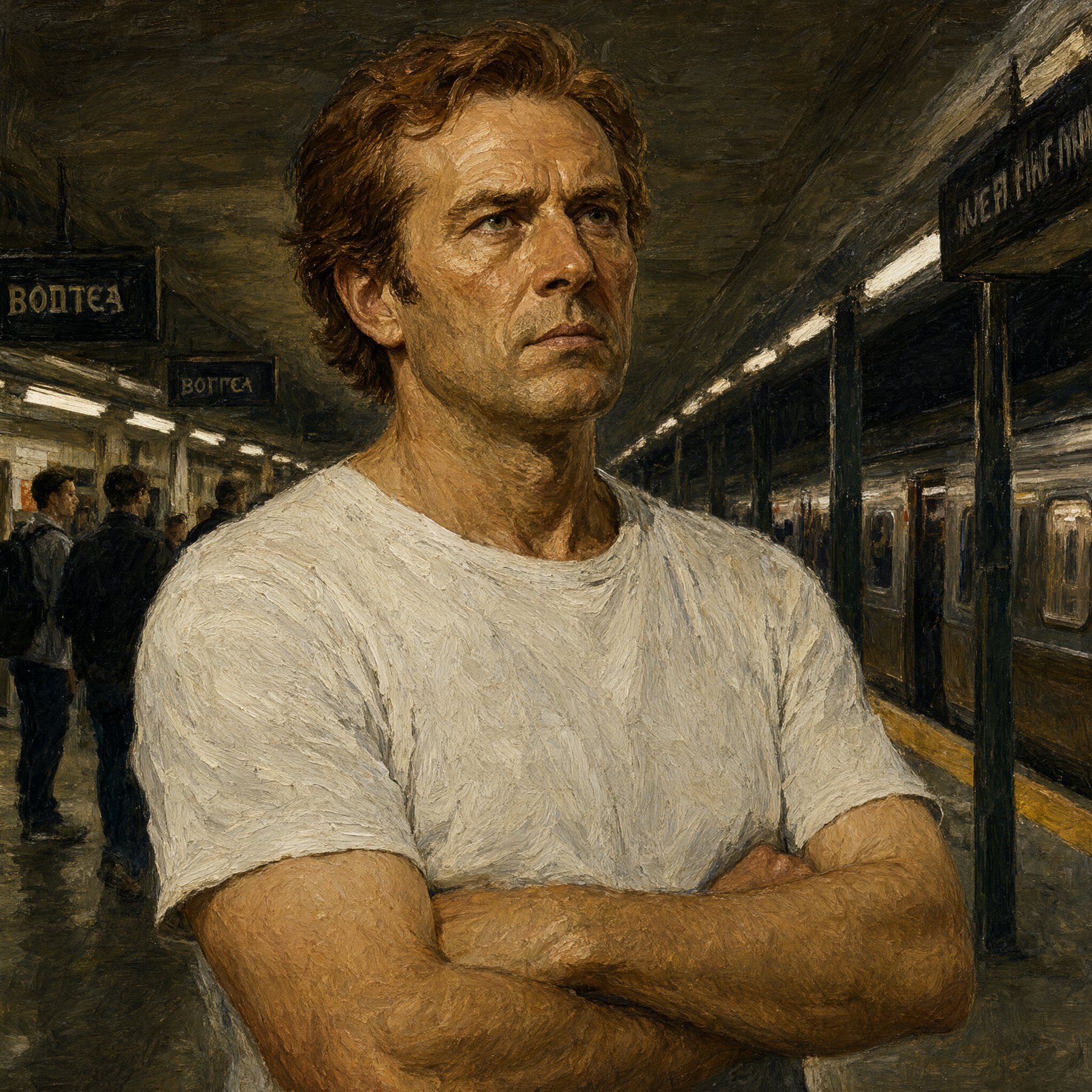
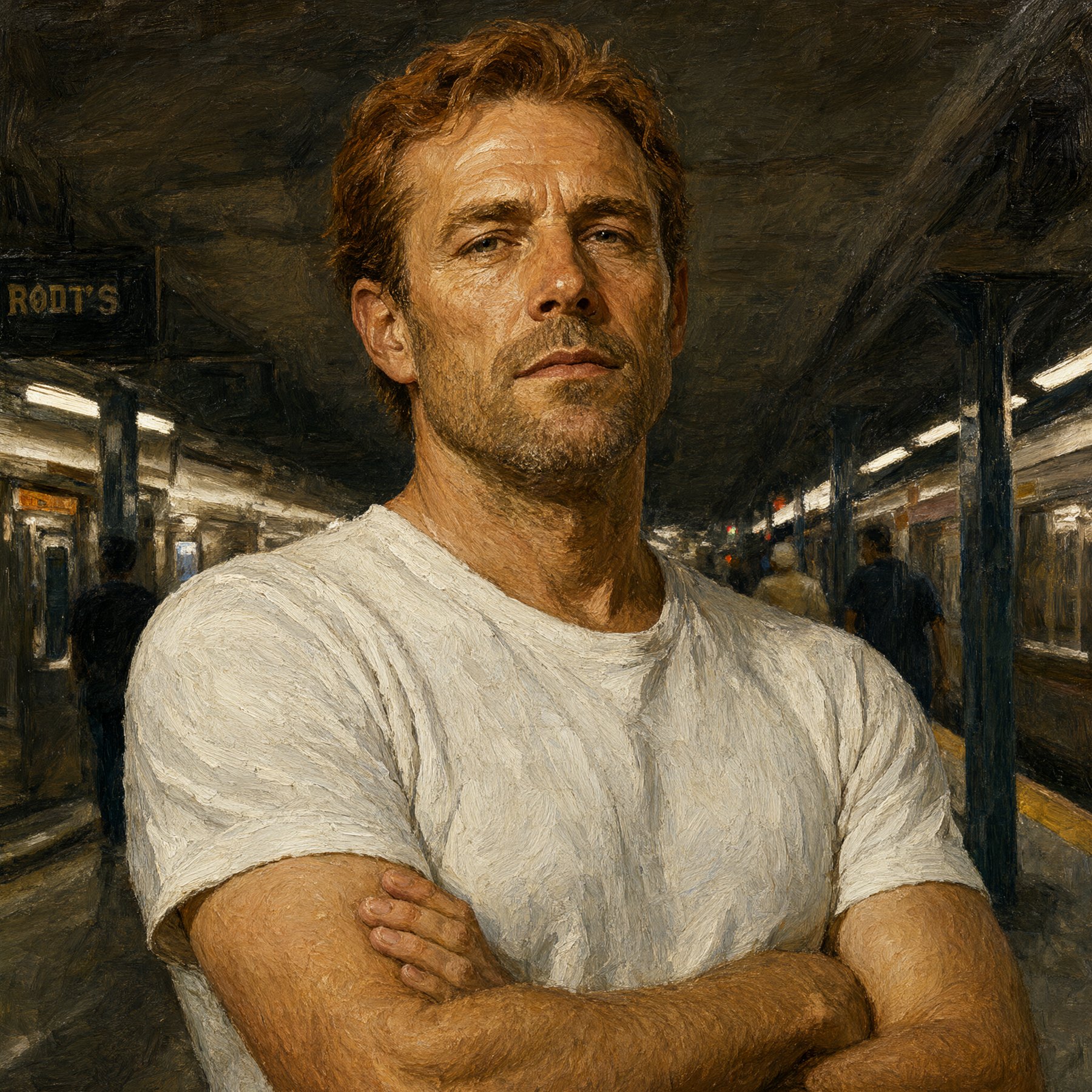
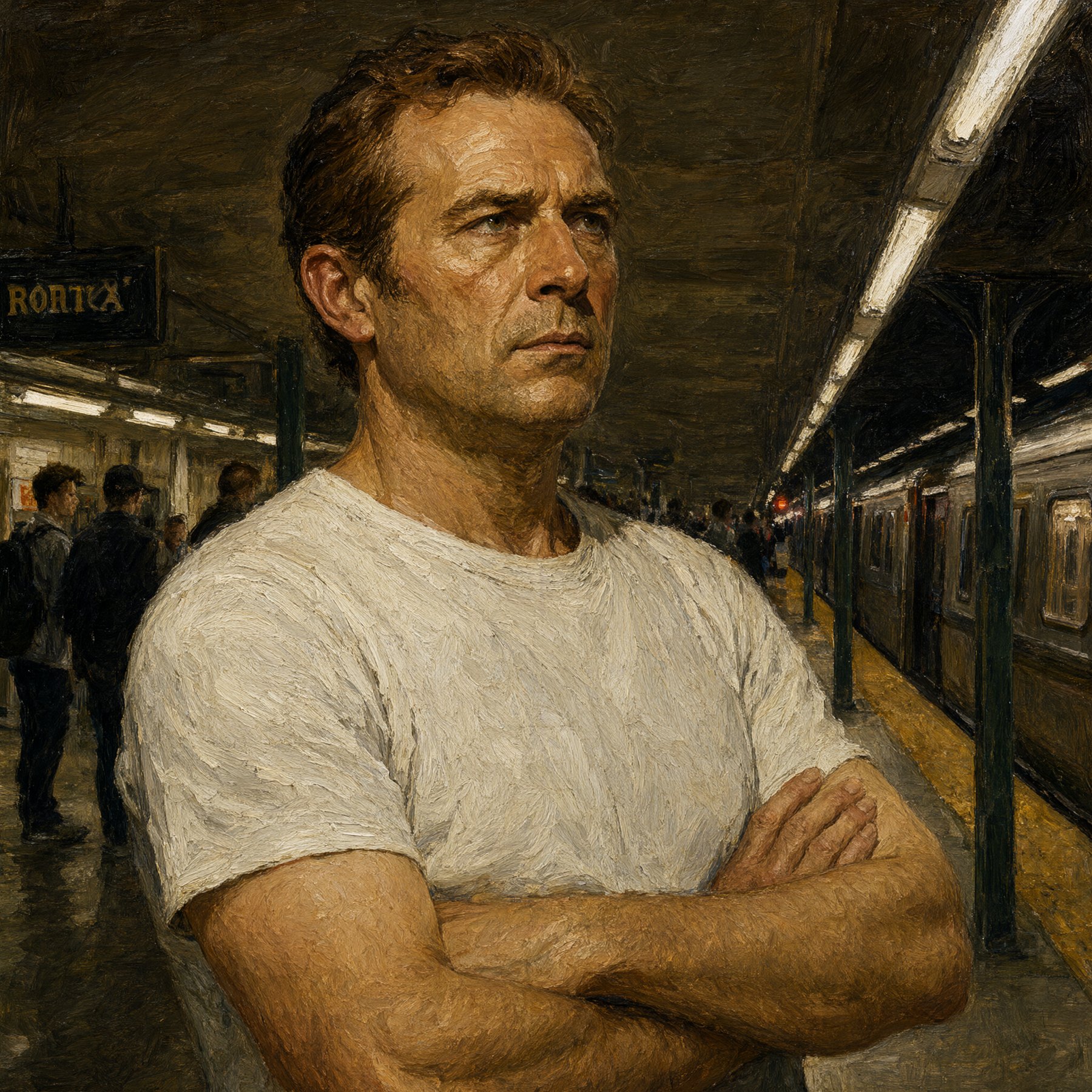
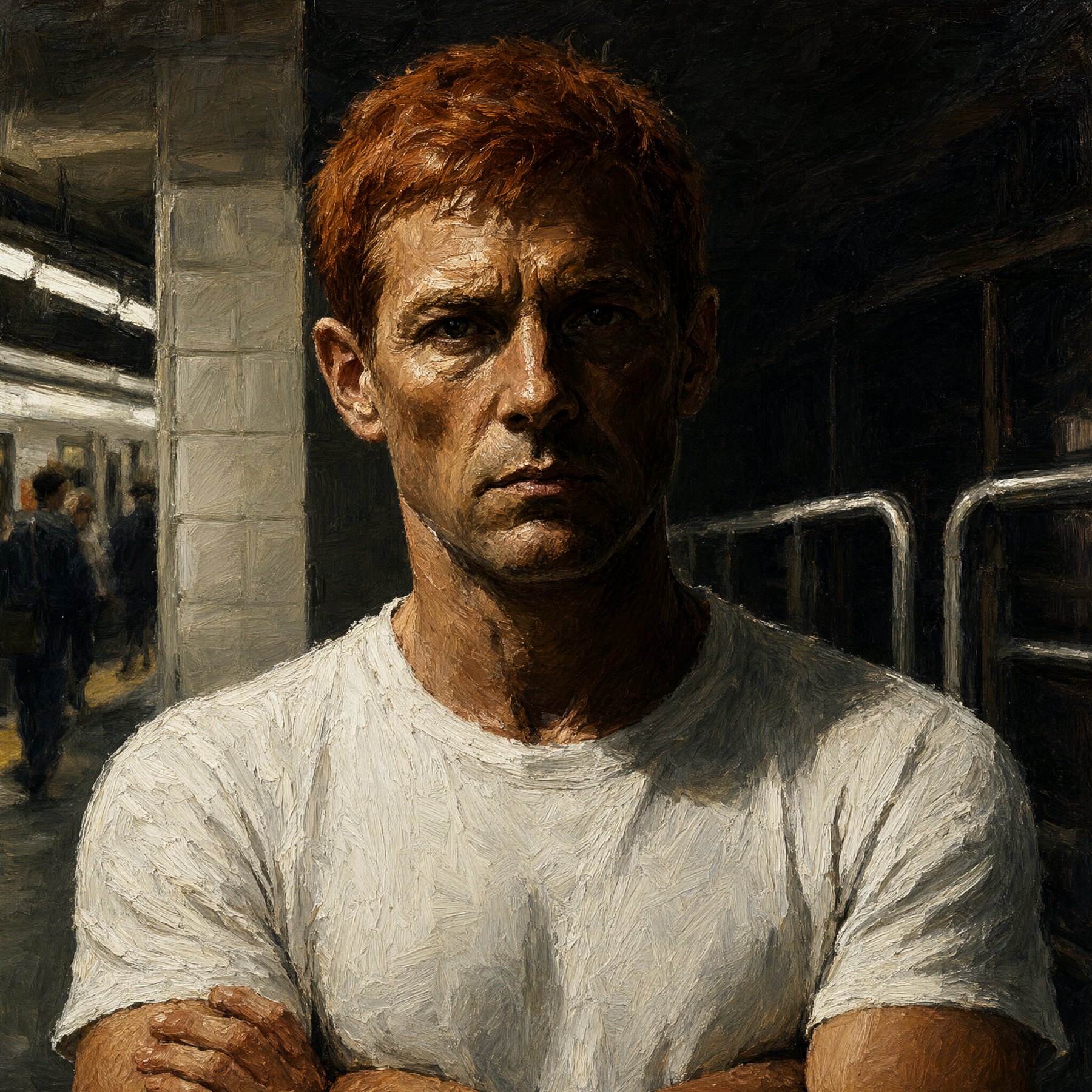
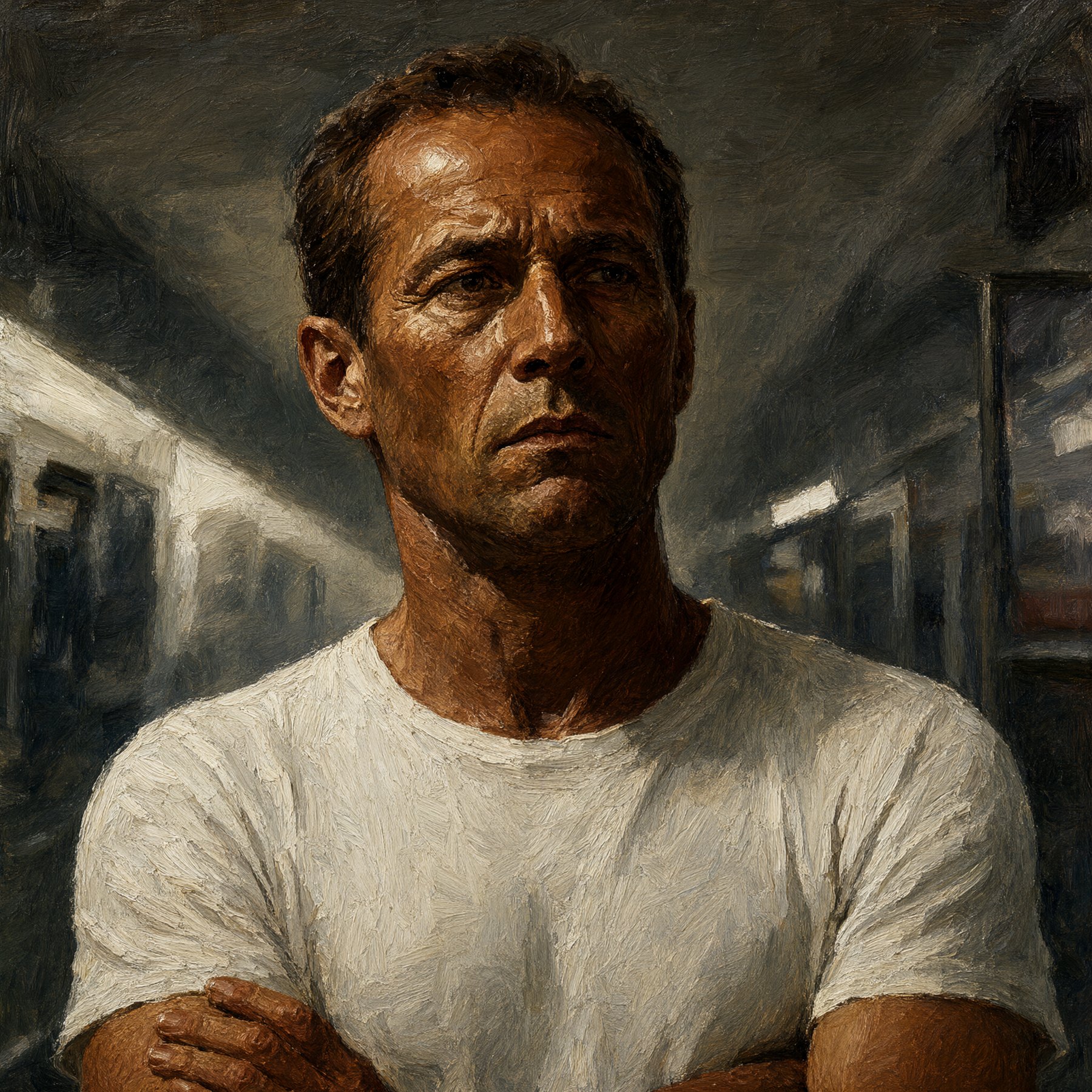
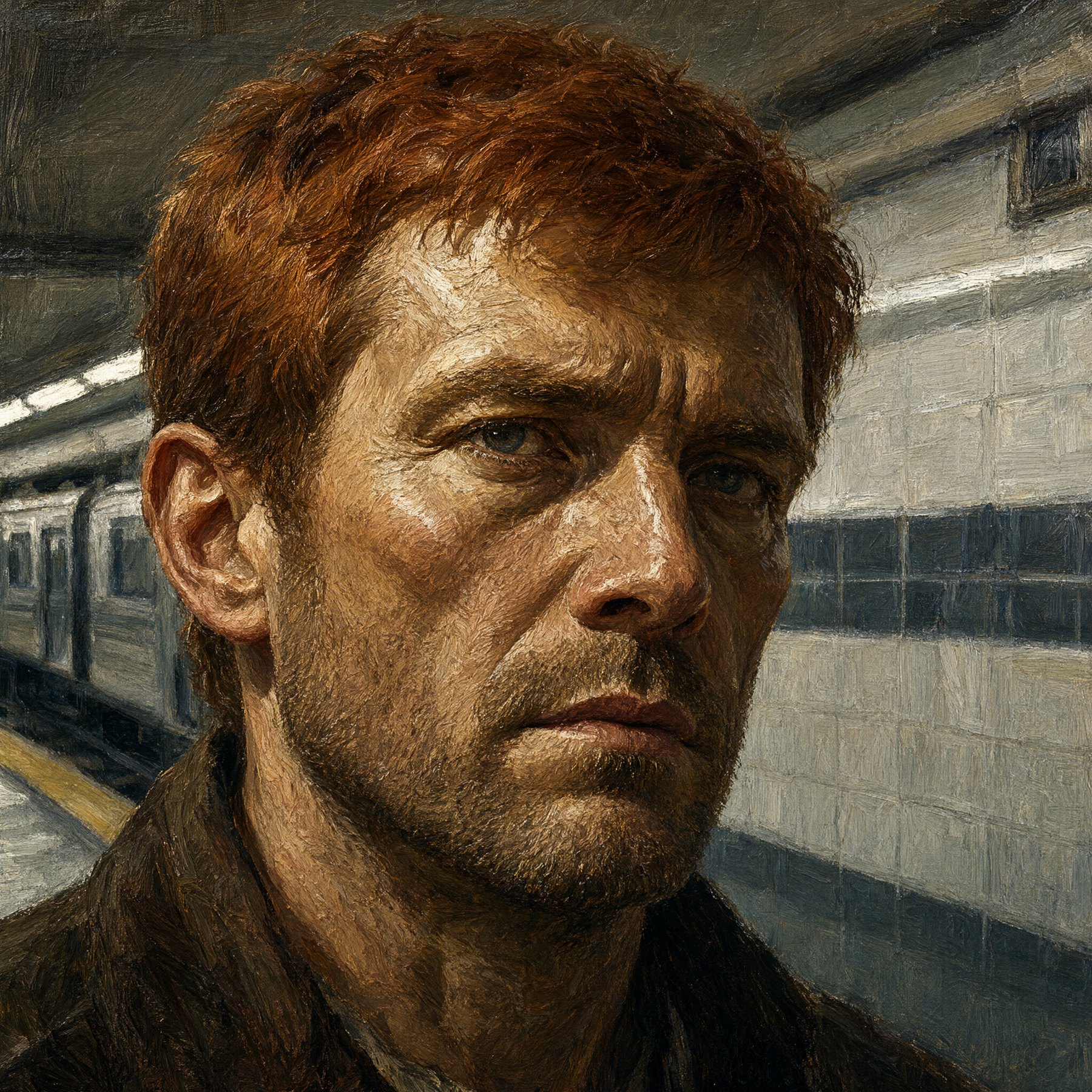
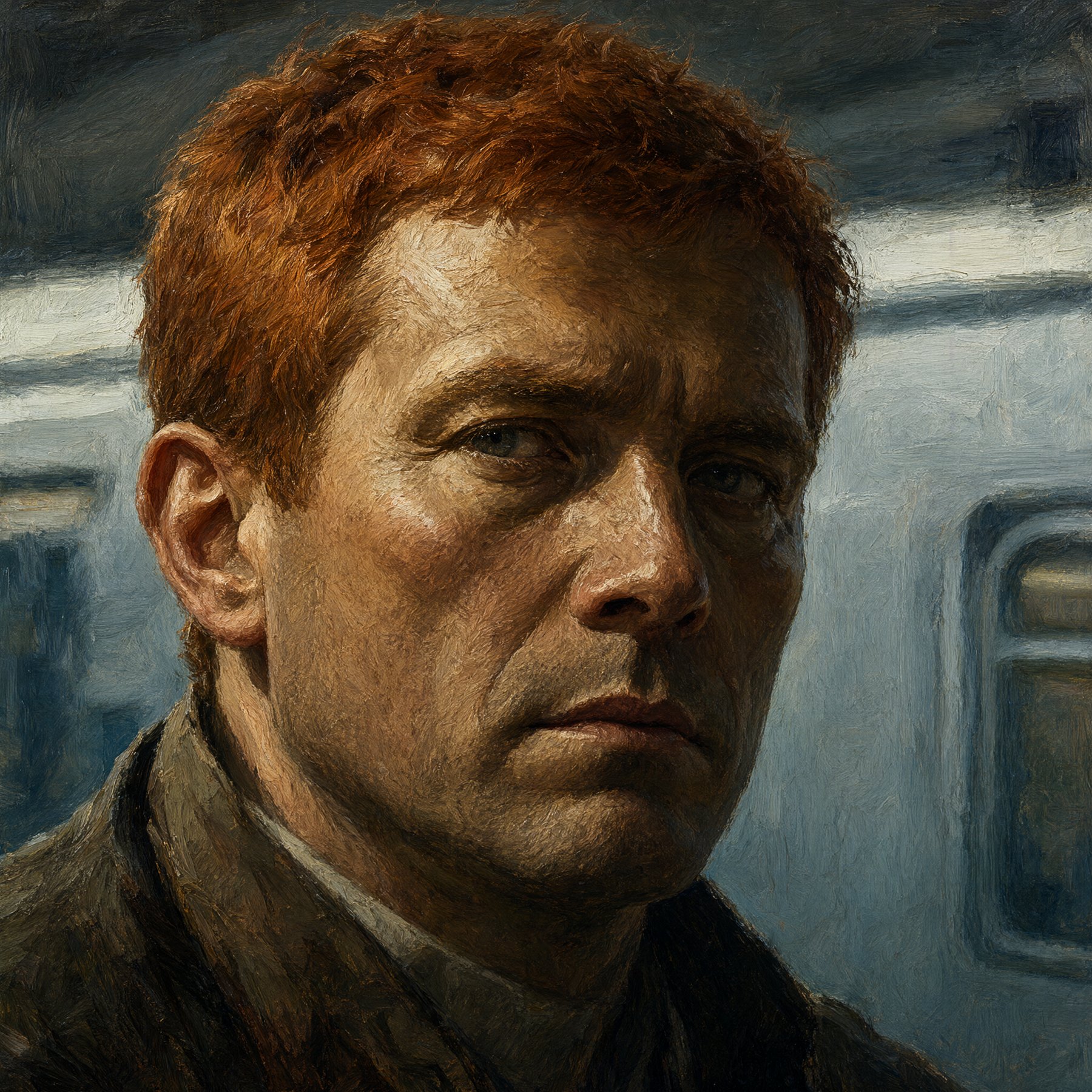
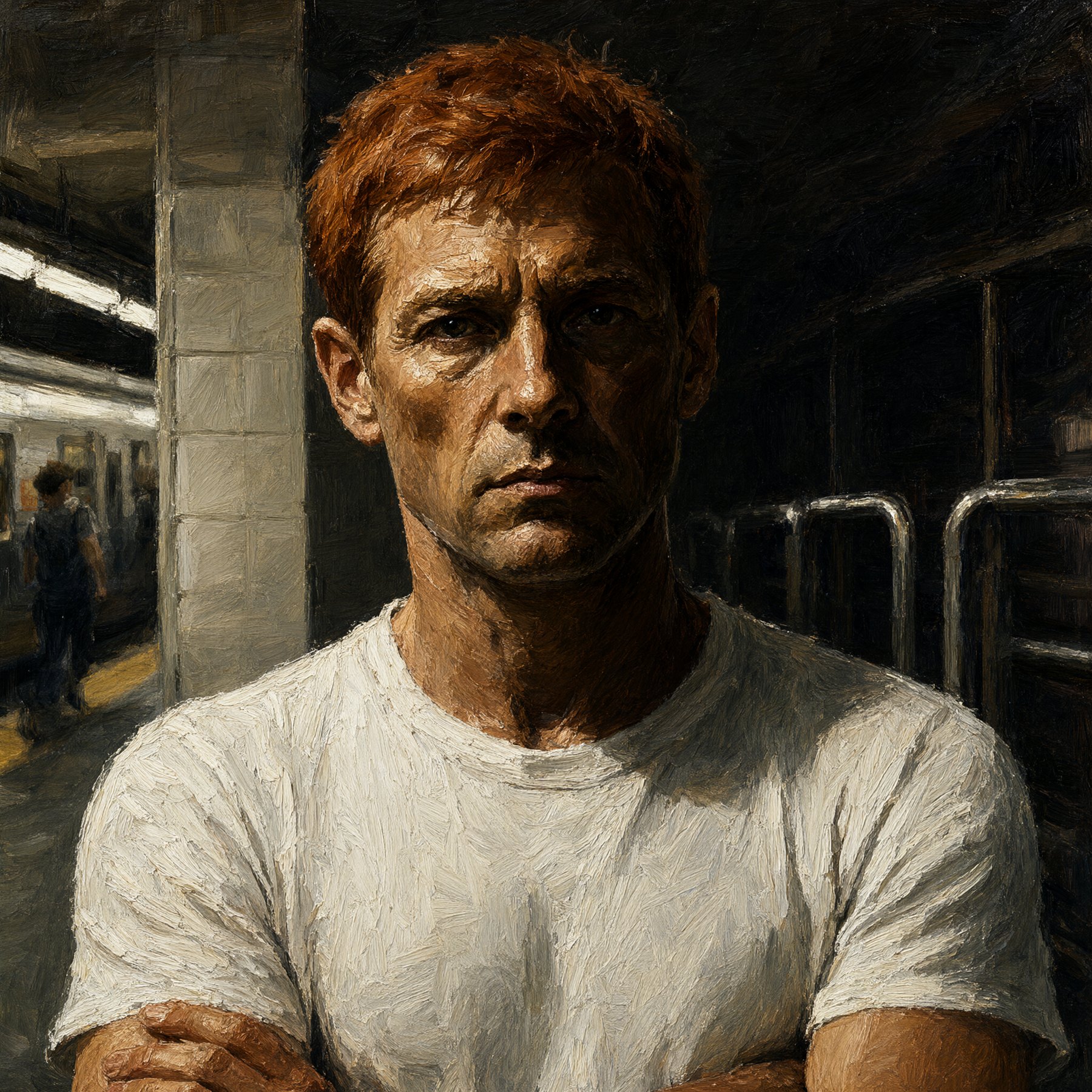
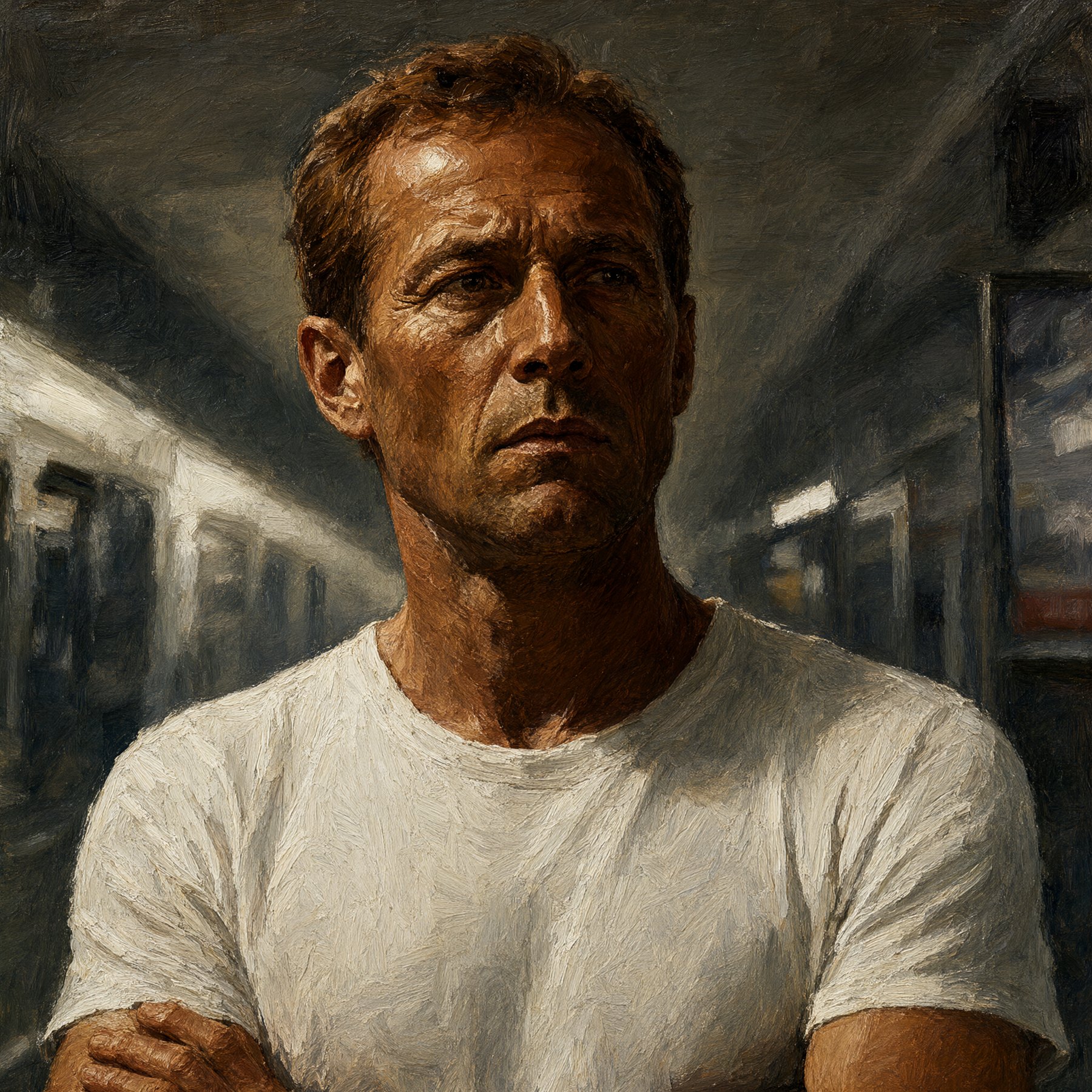
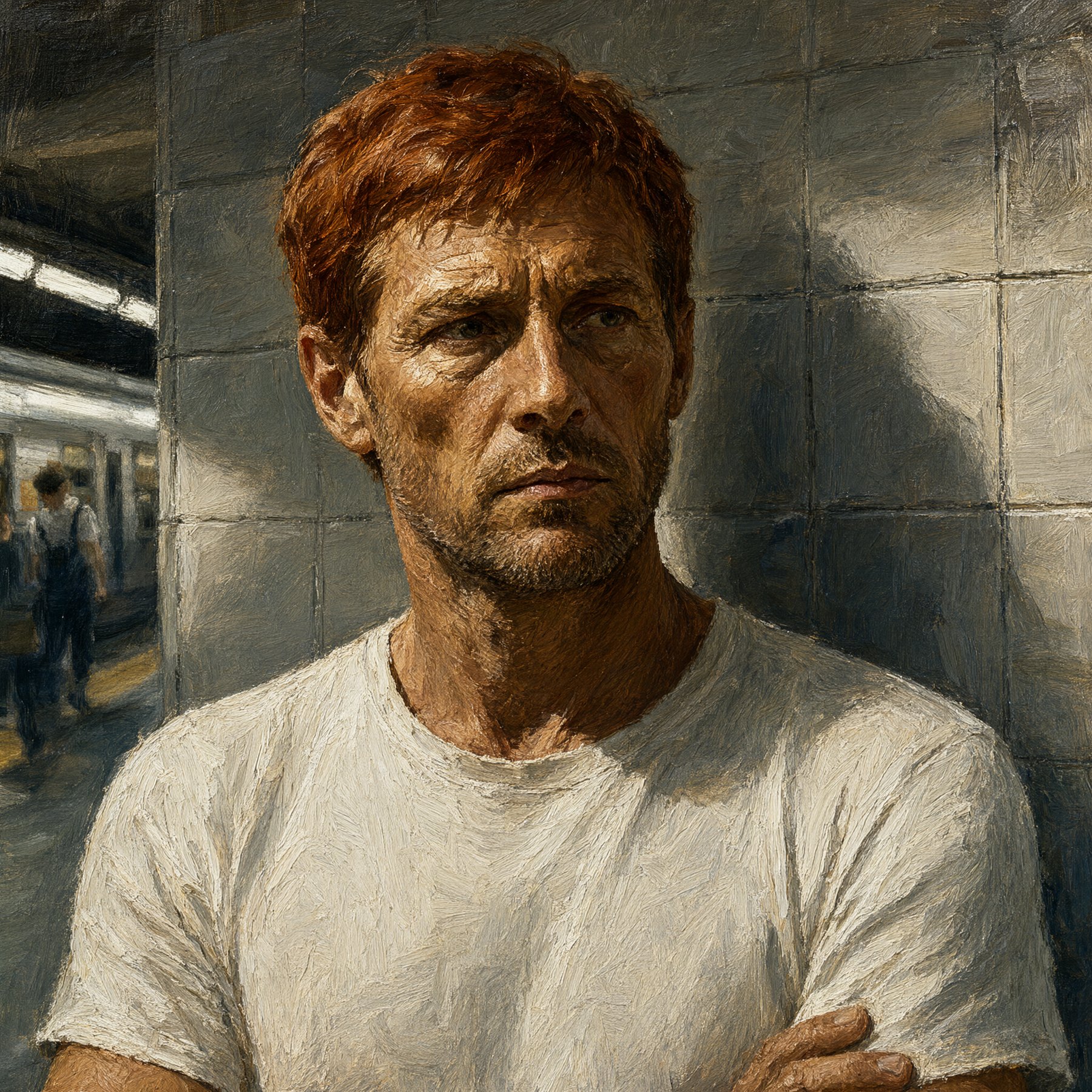
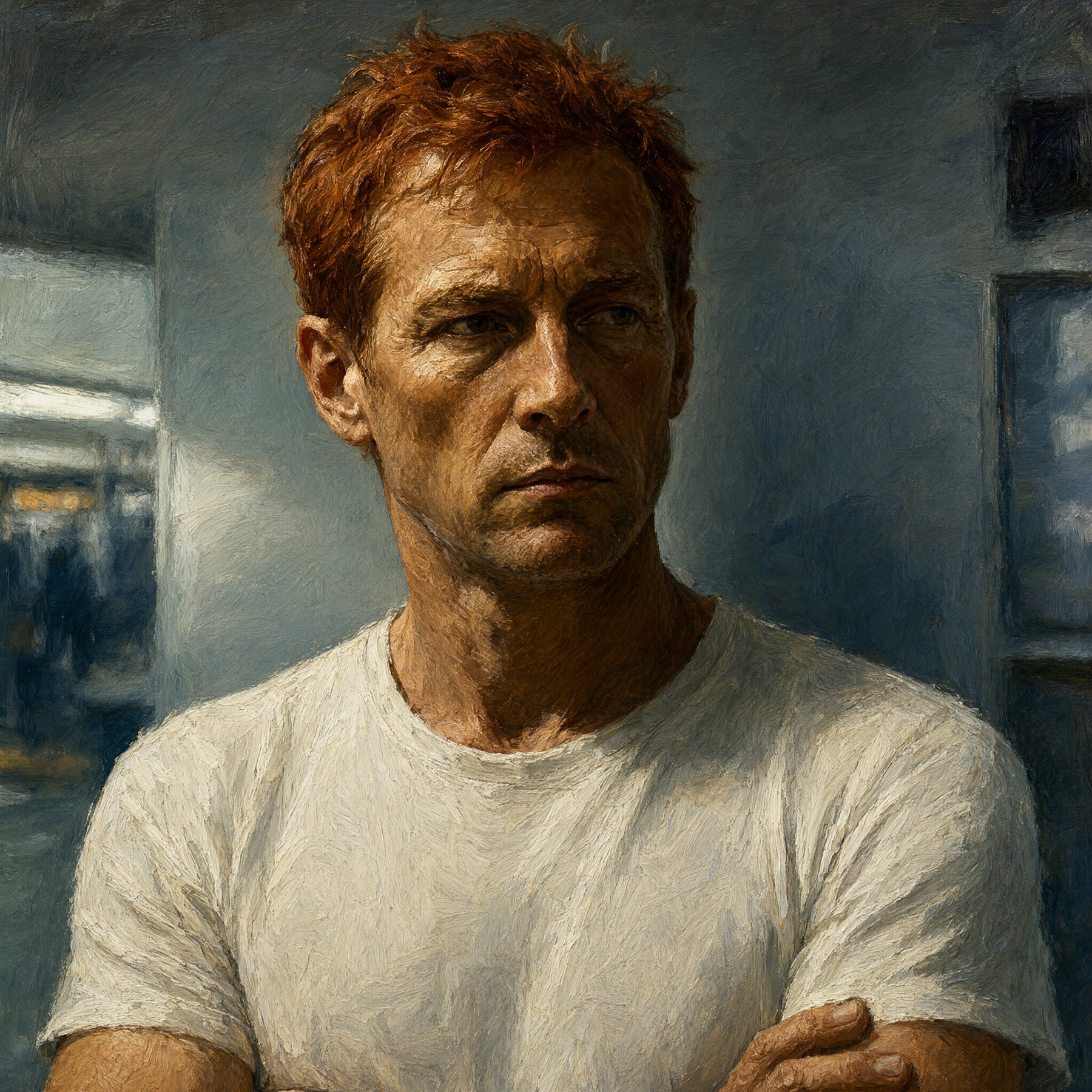
Eight structured fields, five prompt formats, three ways to send them. A vision model then checked every field against the image. This set is deliberately hard: an extreme close-up cannot show crossed arms and a t-shirt at once, so the model has to choose.

Style an oil painting · Subject a middle-aged man · Pose standing upright with arms crossed · Upper clothing a plain white t-shirt · Hair color auburn · Environment a subway platform · Lighting dramatic side lighting · Shot size extreme close-up of the face

Raw, as typed
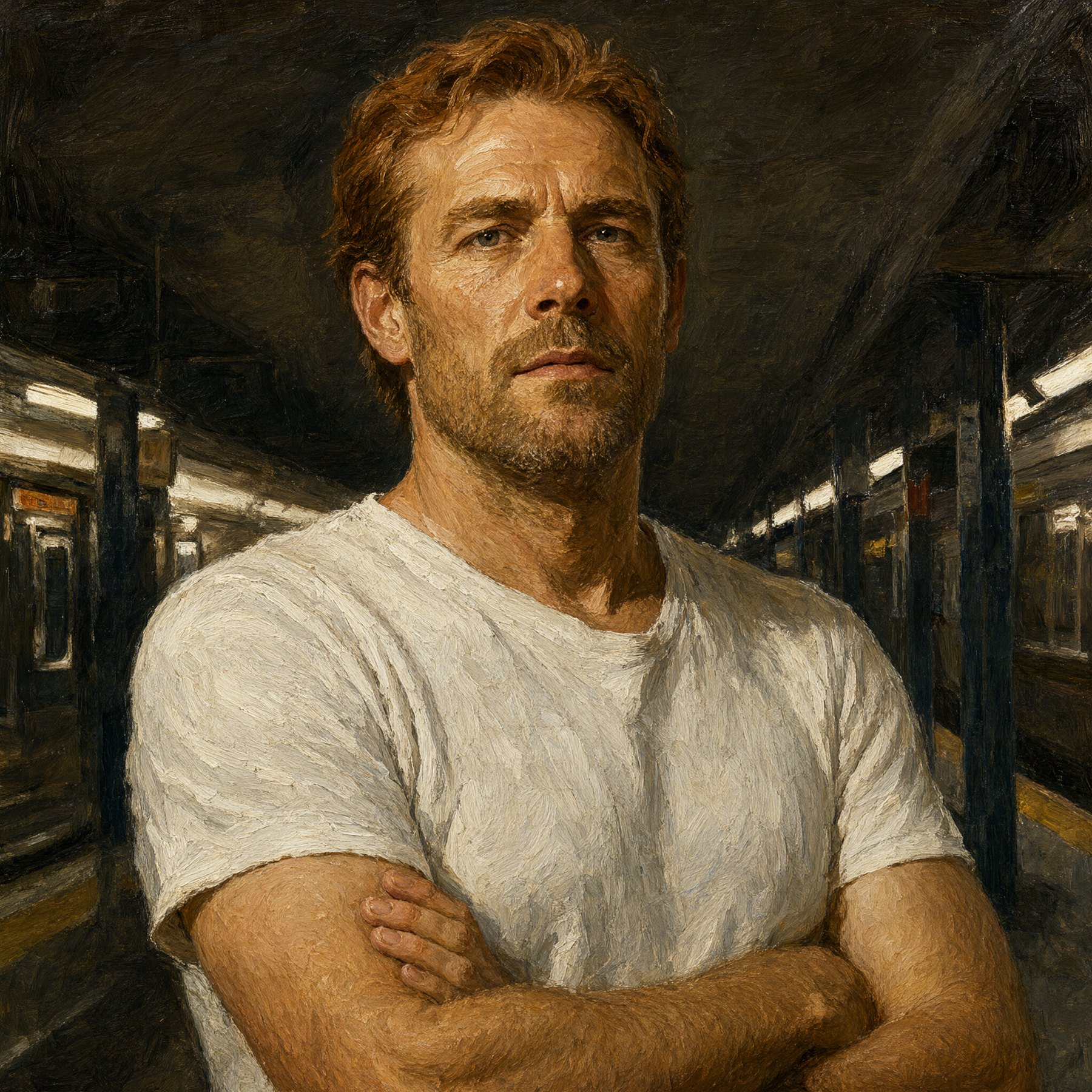
Free text
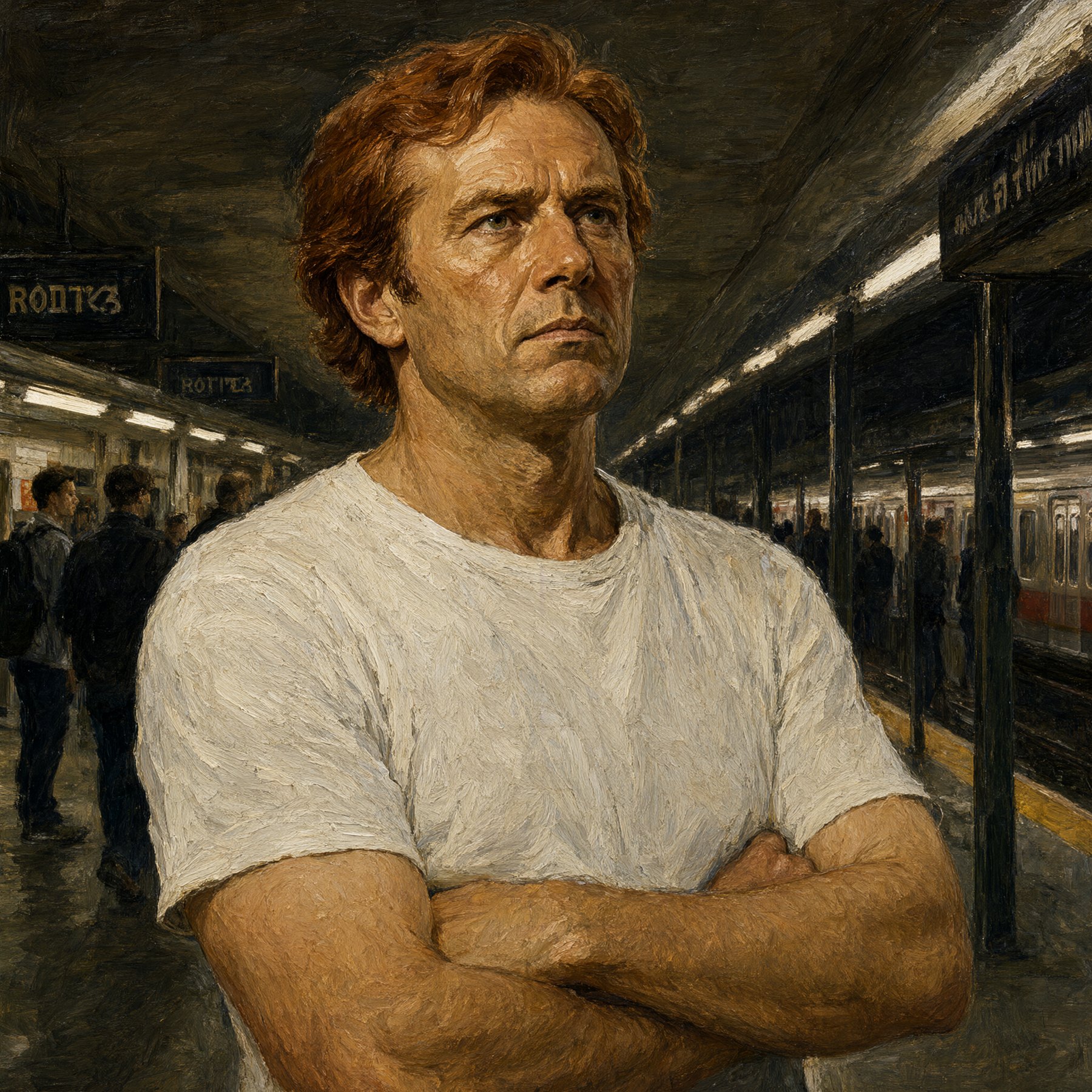
StyleSubjectPoseUpper clothingHair colorEnvironmentLightingShot size88 %
Flowing sentence
StyleSubjectPoseUpper clothingHair colorEnvironmentLightingShot size88 %
Comma list
StyleSubjectPoseUpper clothingHair colorEnvironmentLightingShot size88 %
Label: value pairs
StyleSubjectPoseUpper clothingHair colorEnvironmentLightingShot size88 %
Grouped sections
StyleSubjectPoseUpper clothingHair colorEnvironmentLightingShot size88 %

Rewritten by the vision model

Free text
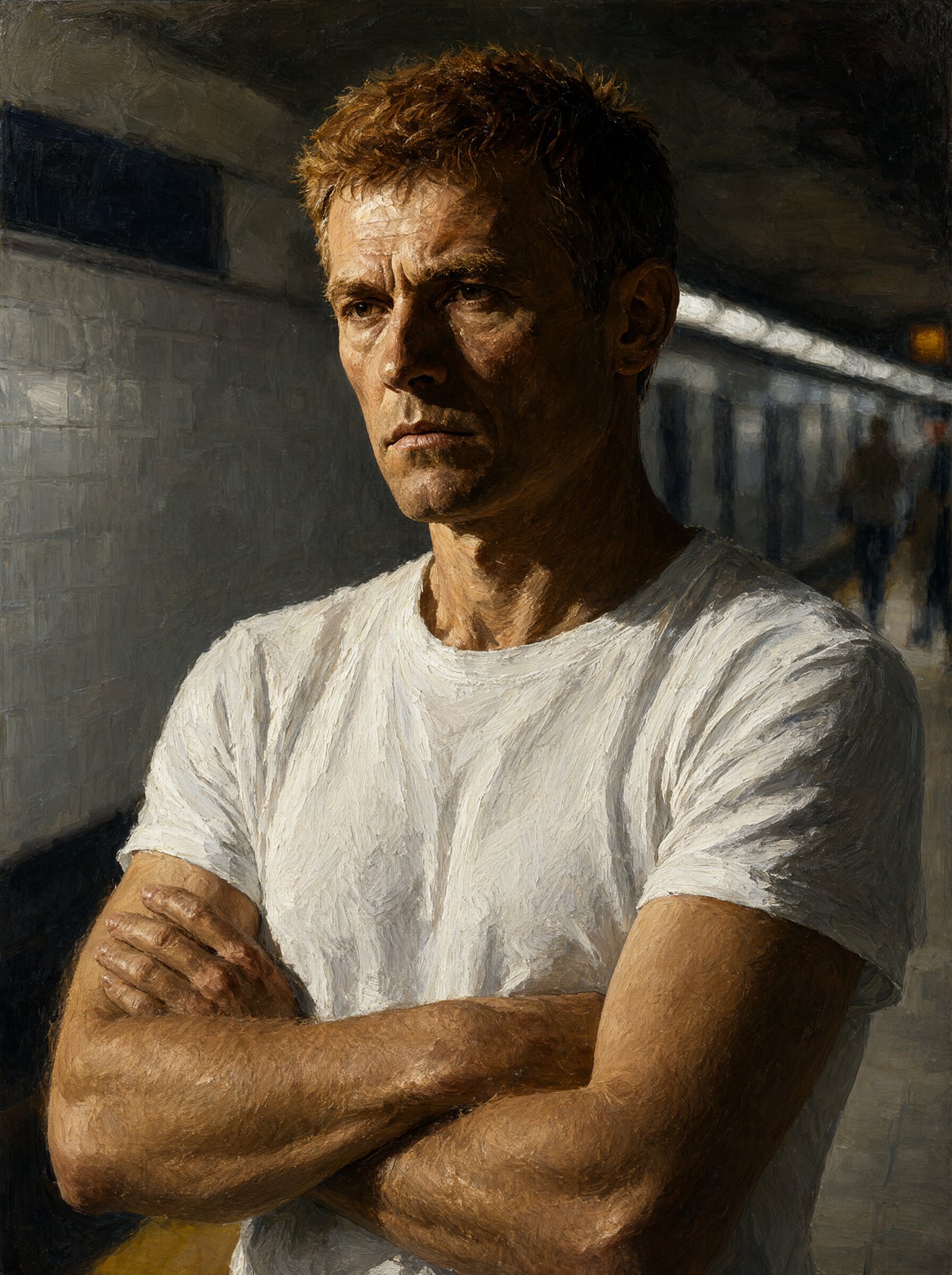
StyleSubjectPoseUpper clothingHair colorEnvironmentLightingShot size81 %
Flowing sentence
StyleSubjectPoseUpper clothingHair colorEnvironmentLightingShot size88 %
Comma list
StyleSubjectPoseUpper clothingHair colorEnvironmentLightingShot size62 %
Label: value pairs
StyleSubjectPoseUpper clothingHair colorEnvironmentLightingShot size75 %
Grouped sections
StyleSubjectPoseUpper clothingHair colorEnvironmentLightingShot size69 %

Rewritten, field pairs appended

Free text
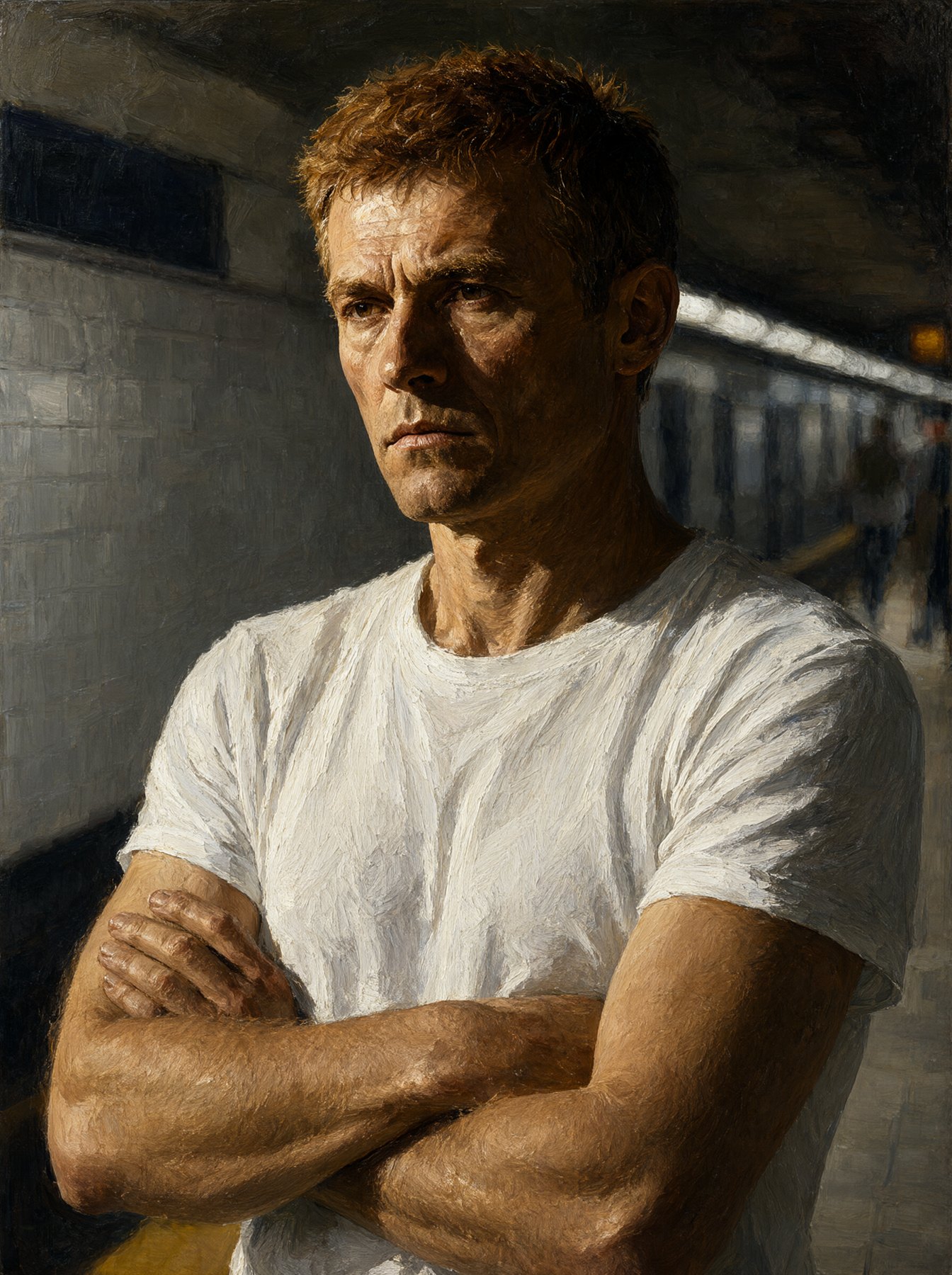
StyleSubjectPoseUpper clothingHair colorEnvironmentLightingShot size81 %
Flowing sentence
StyleSubjectPoseUpper clothingHair colorEnvironmentLightingShot size88 %
Comma list
StyleSubjectPoseUpper clothingHair colorEnvironmentLightingShot size81 %
Label: value pairs
StyleSubjectPoseUpper clothingHair colorEnvironmentLightingShot size81 %
Grouped sections
StyleSubjectPoseUpper clothingHair colorEnvironmentLightingShot size75 %

Field precision, averaged over two field sets and five formats

Raw prompt89 %
Rewritten79 %
Rewritten + fields84 %
Qwen-Image-2512, raw68 %
The recipe we shipped: rewriting by the vision model makes images better but forgets fields, so PIC STUDIO now appends the field pairs verbatim after the rewritten prose. And the format matters: "Label: value" pairs keep the most, grouped sections the least.

What the predecessors cannot do

Seven framings at native 2K from one prompt, exact text from German requests, transparent output, and compositions from up to ten reference images.

One prompt, seven aspect ratios
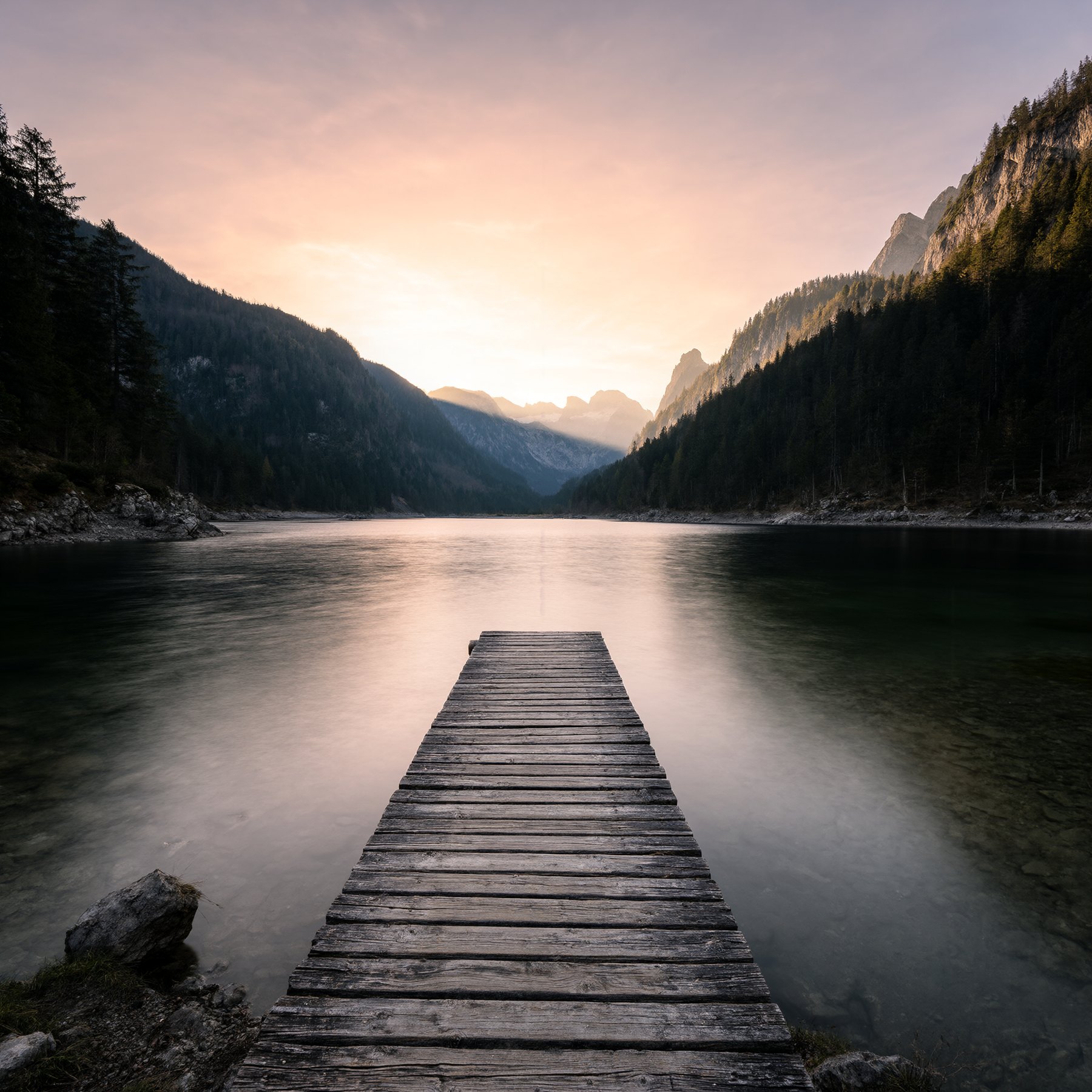
1:1 · 2048×2048
1:1 · 2048×2048
4:3 · 2400×1792
4:3 · 2400×1792
3:4 · 1792×2400
3:4 · 1792×2400
3:2 · 2528×1696
3:2 · 2528×1696
2:3 · 1696×2528
2:3 · 1696×2528
16:9 · 2752×1536
16:9 · 2752×1536
9:16 · 1536×2752
9:16 · 1536×2752

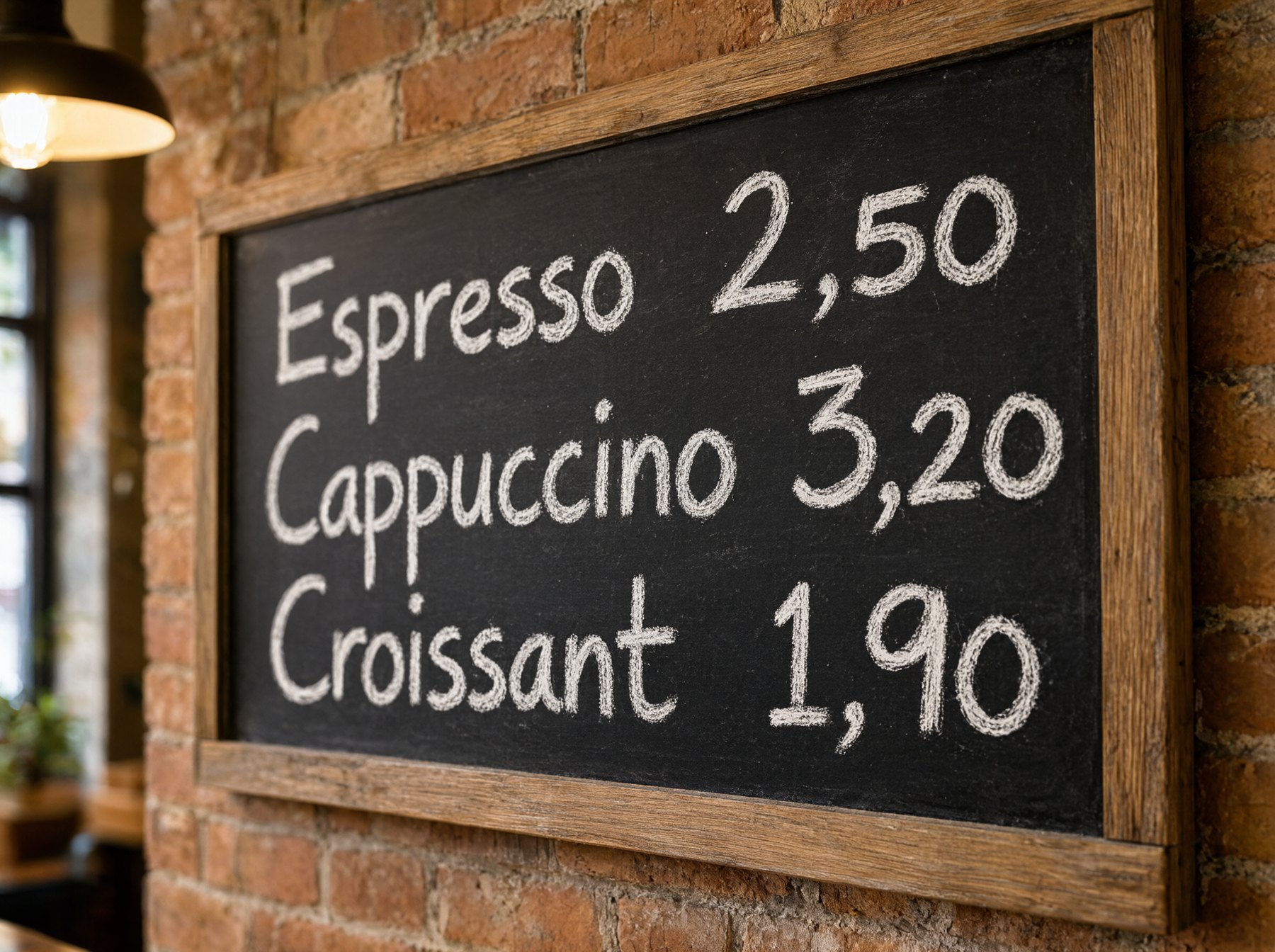
Text from German requests, translated by the rewriter
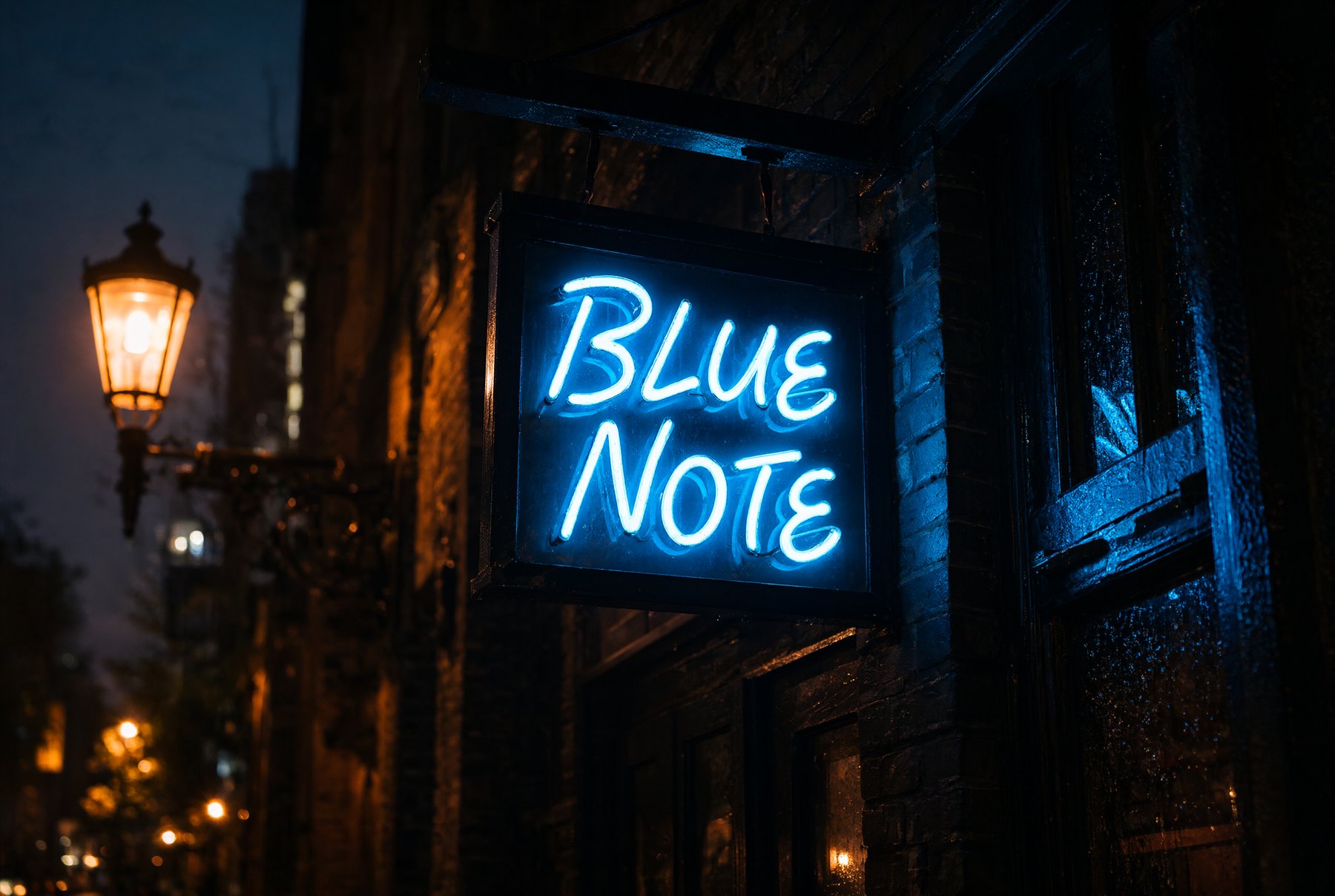
Neon sign "BLUE NOTE"
Chalkboard with three priced lines, all exact
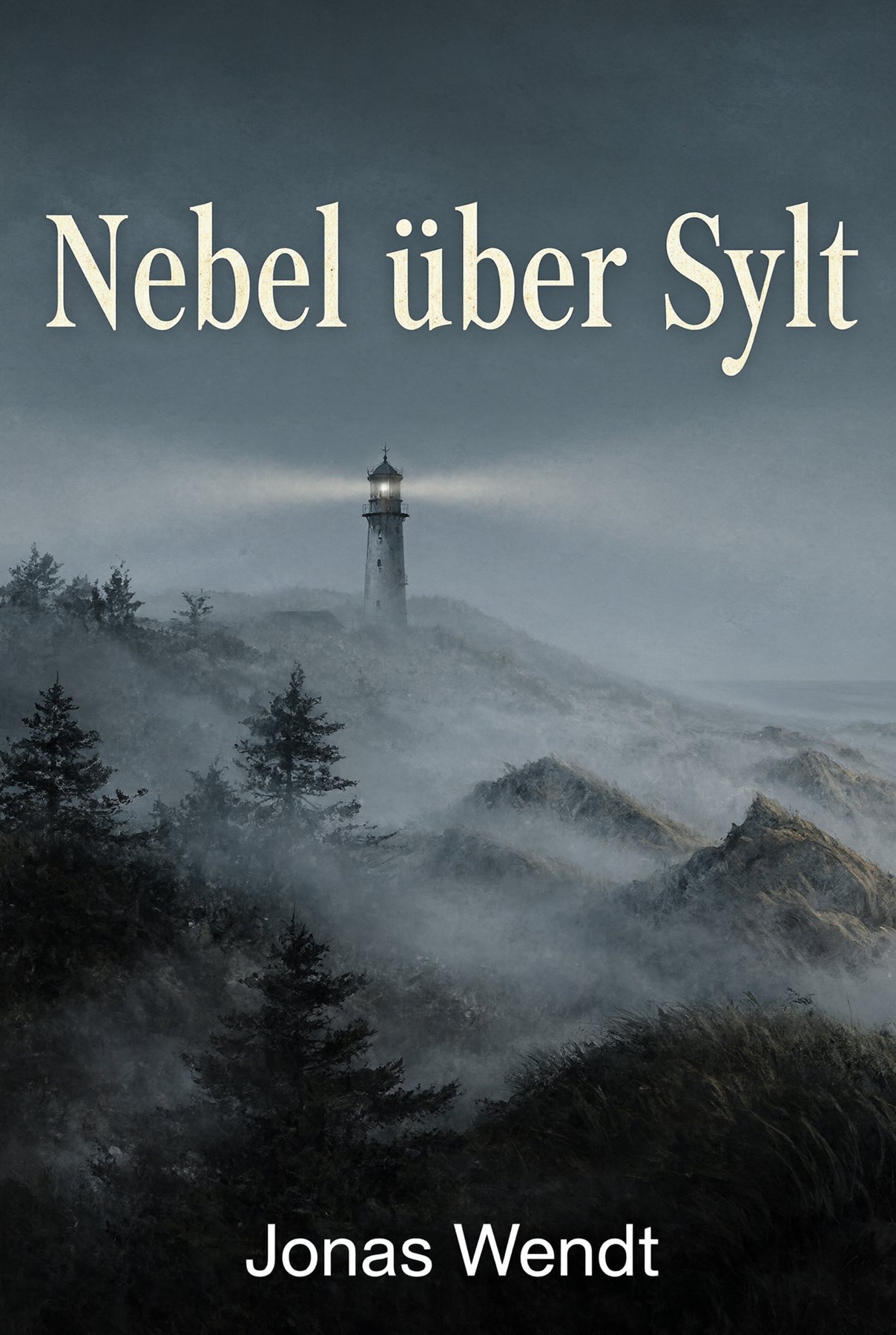
Book cover with title and author

Transparent output

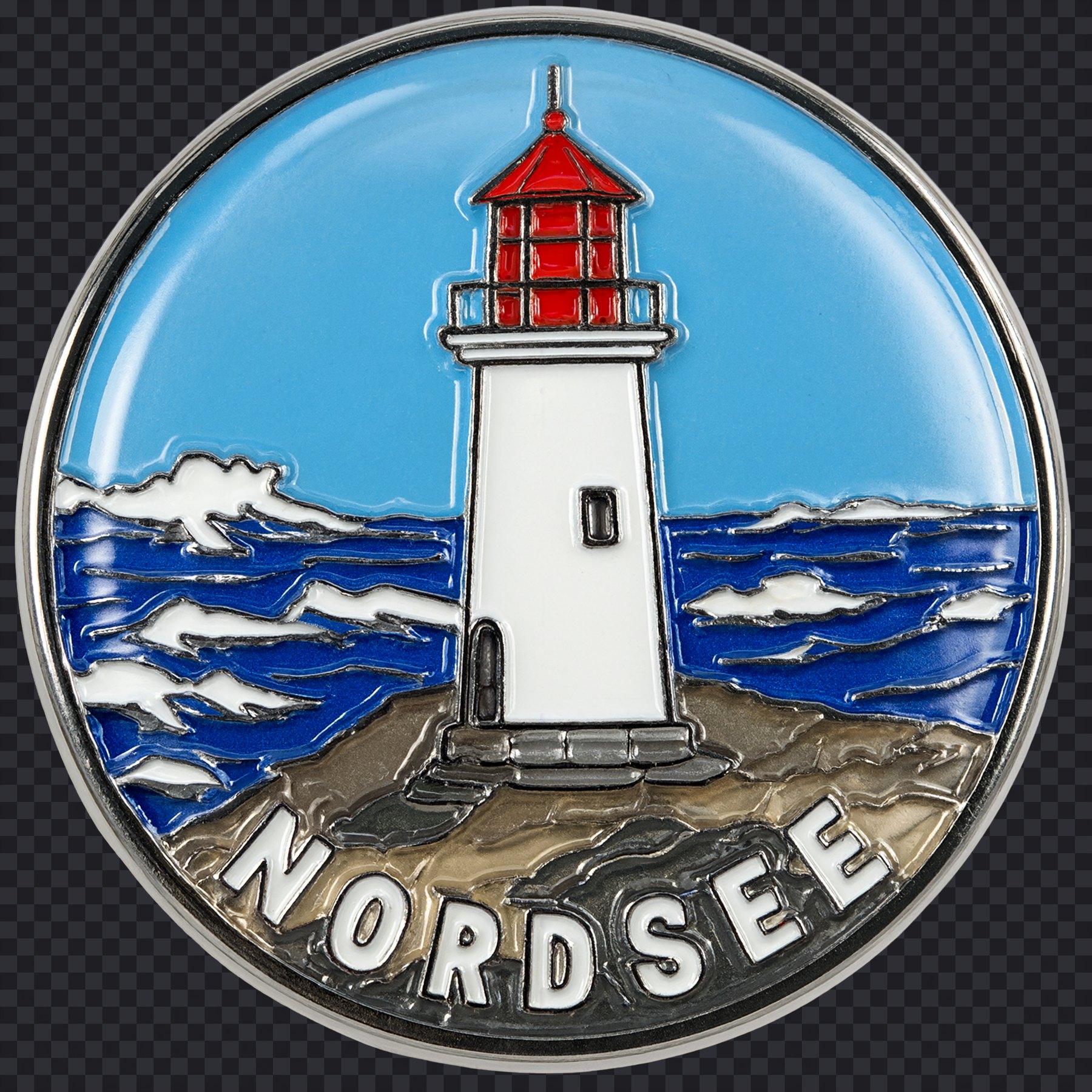
Enamel badge with real transparency (26 % of the pixels)
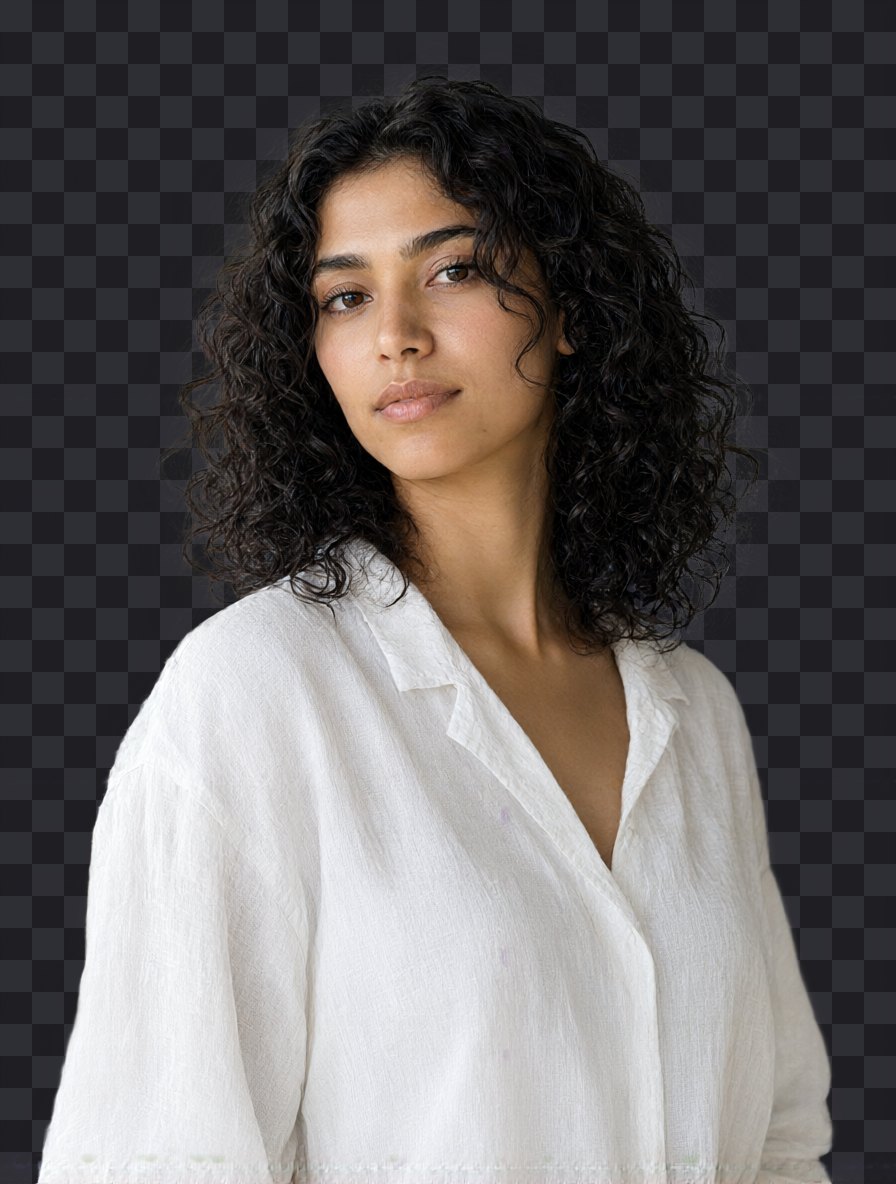
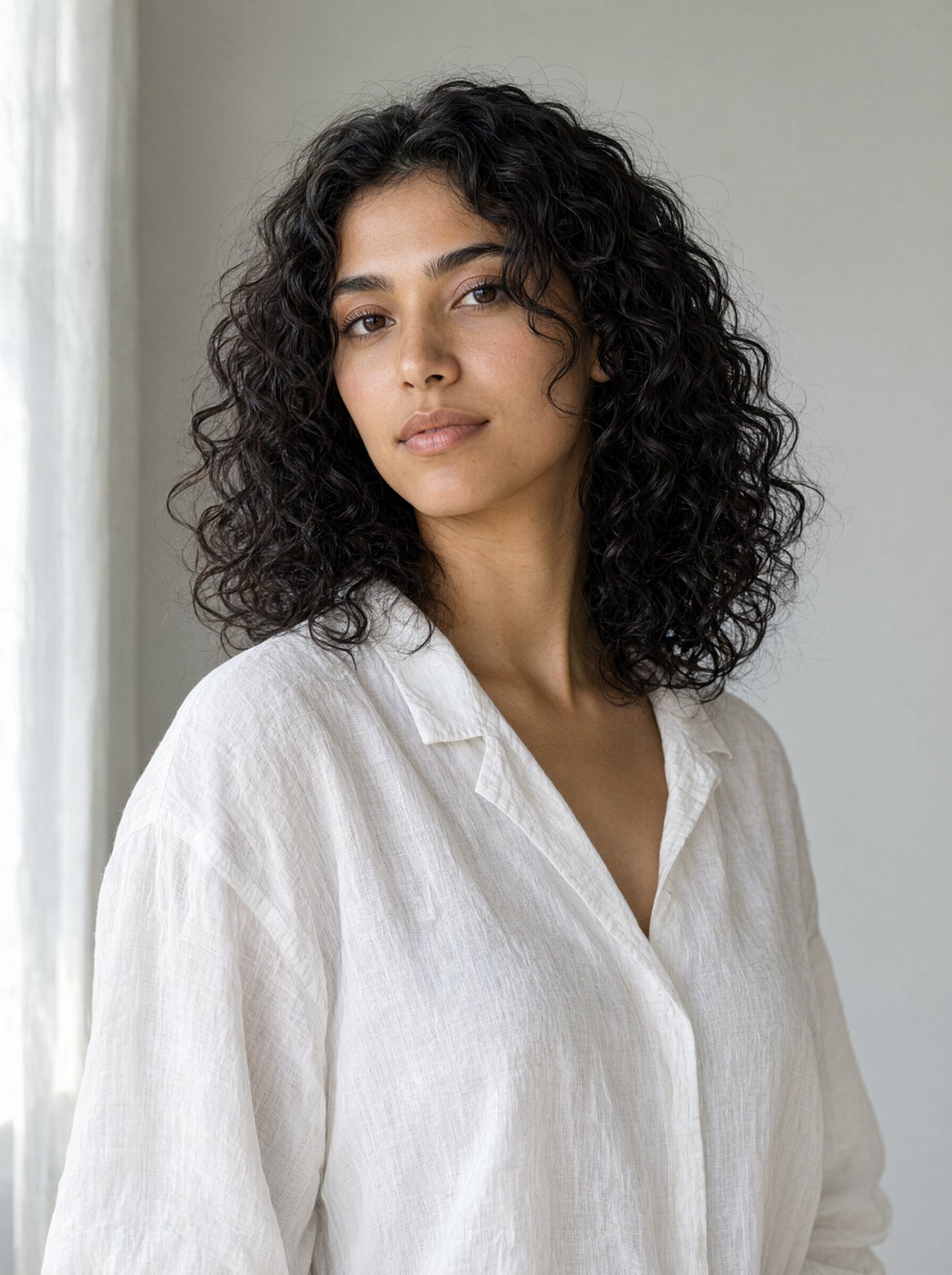
Cut-out of a reference photo, alpha channel included

Reference images in, new scene out
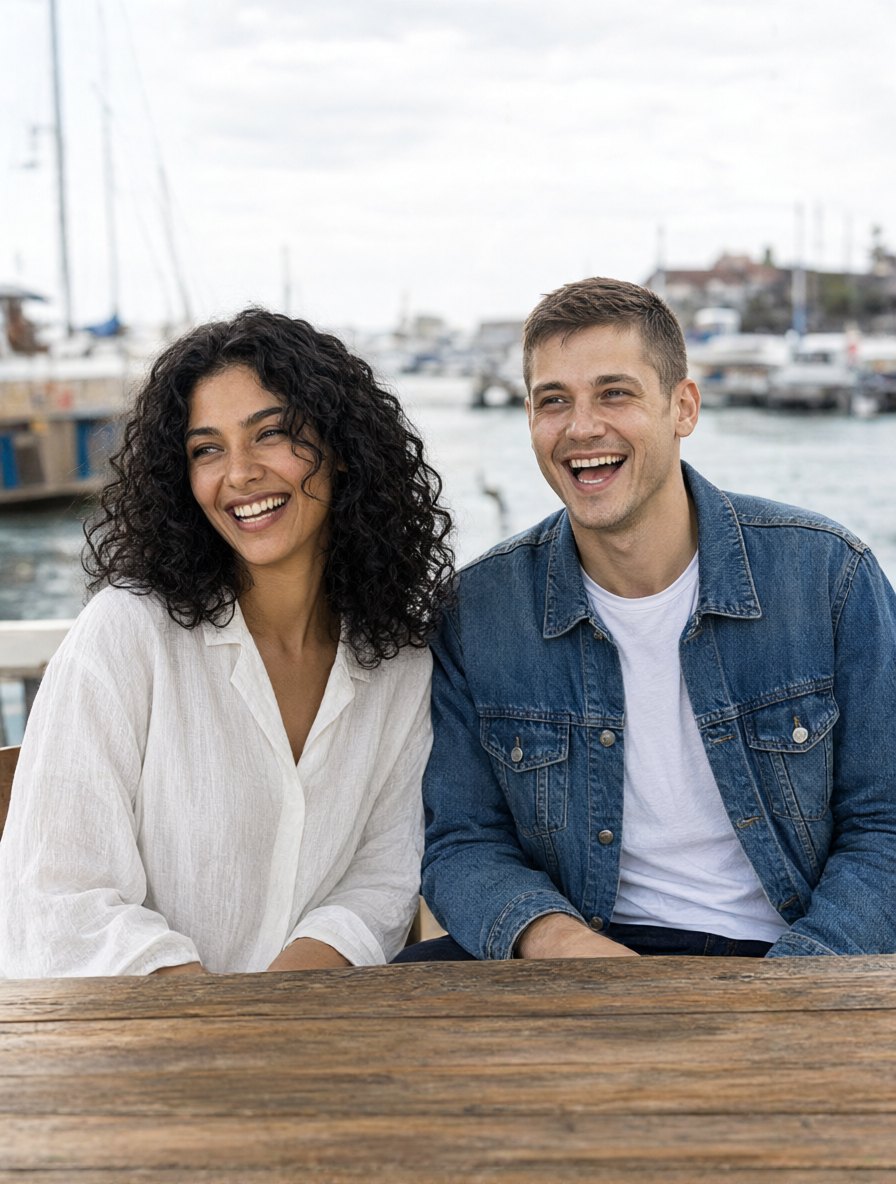
reference 1
reference 1
reference 2
reference 2
Both at a harbour table, laughing
reference 1
reference 1
reference 2
reference 2
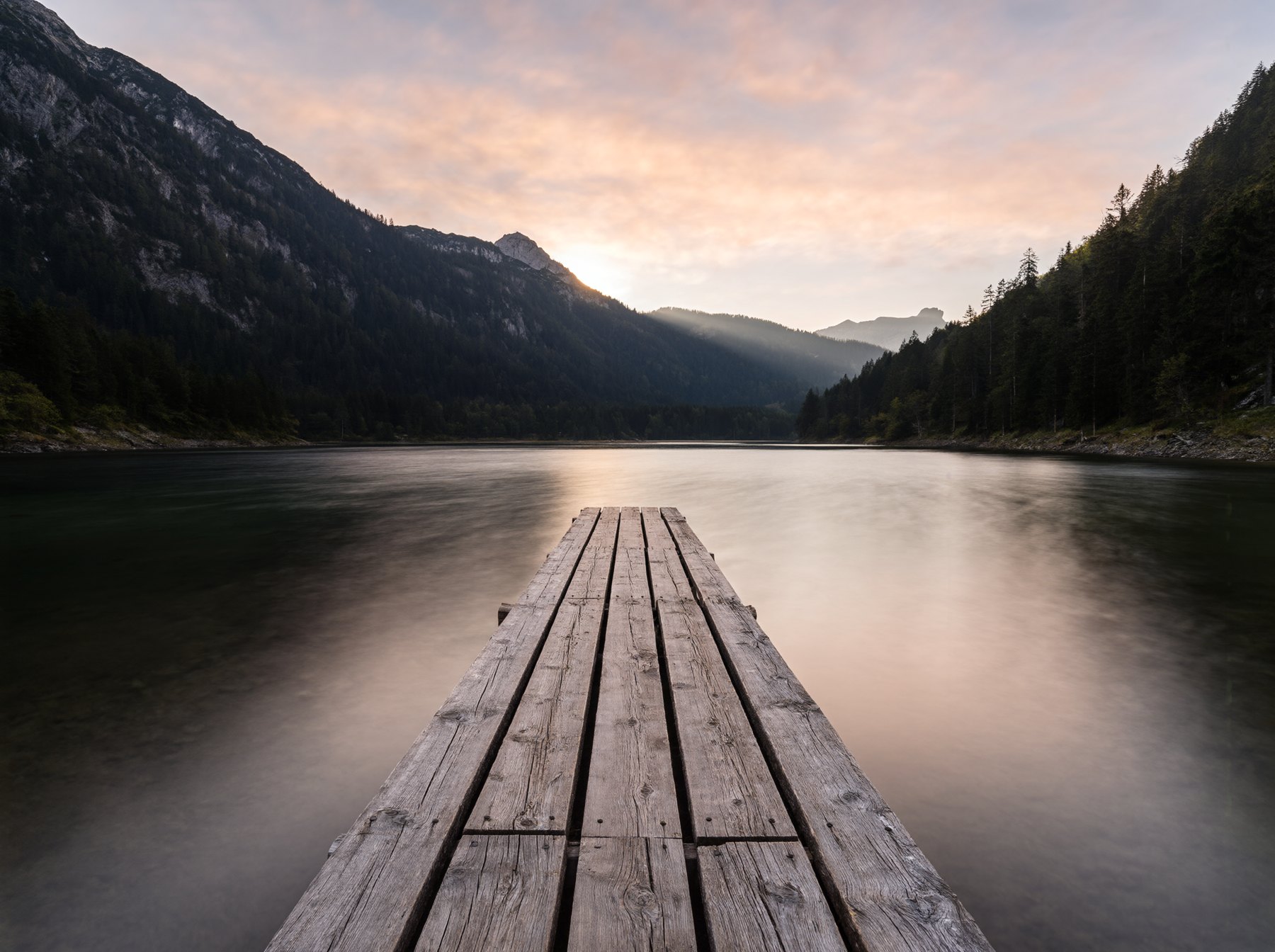
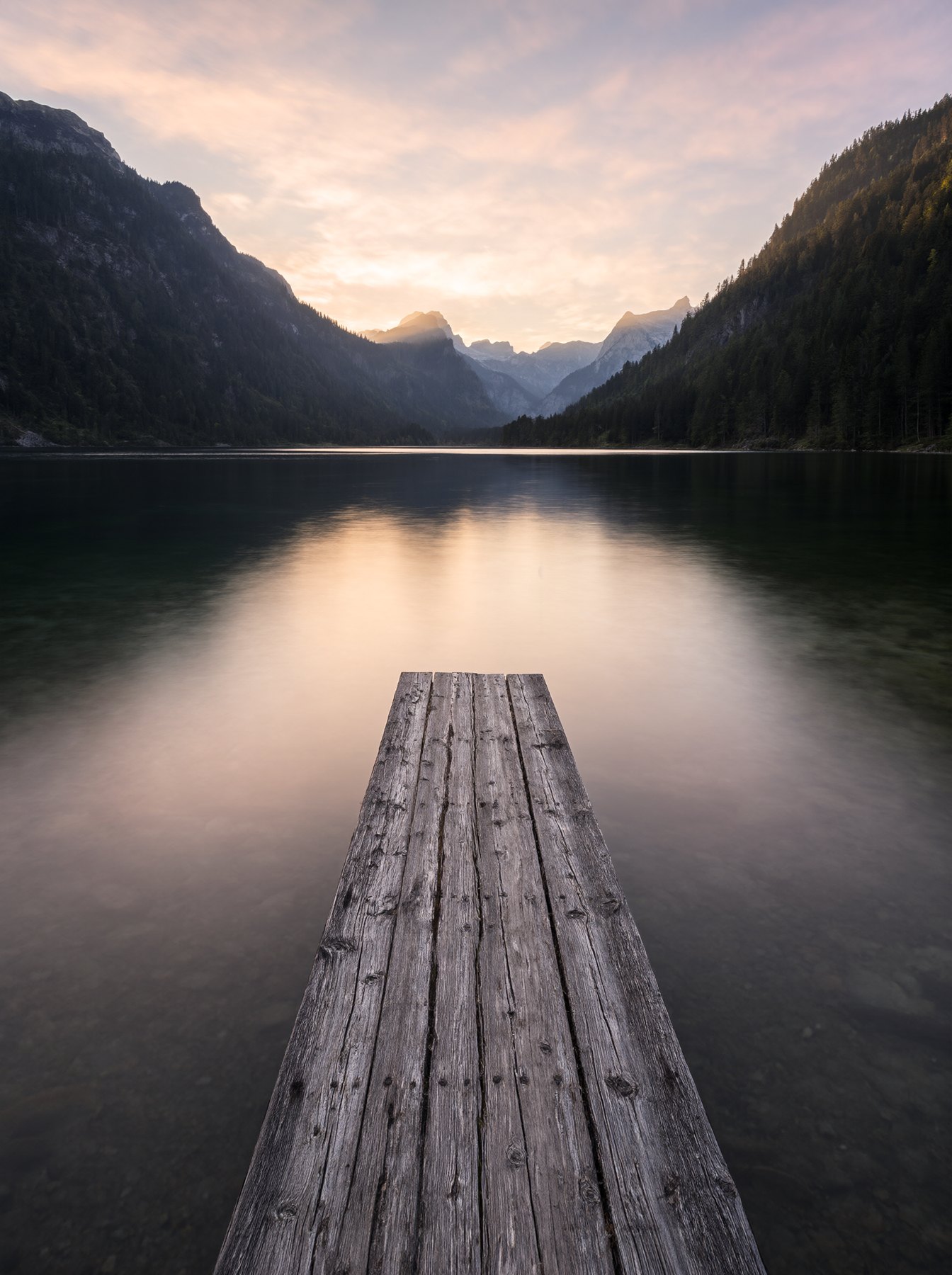
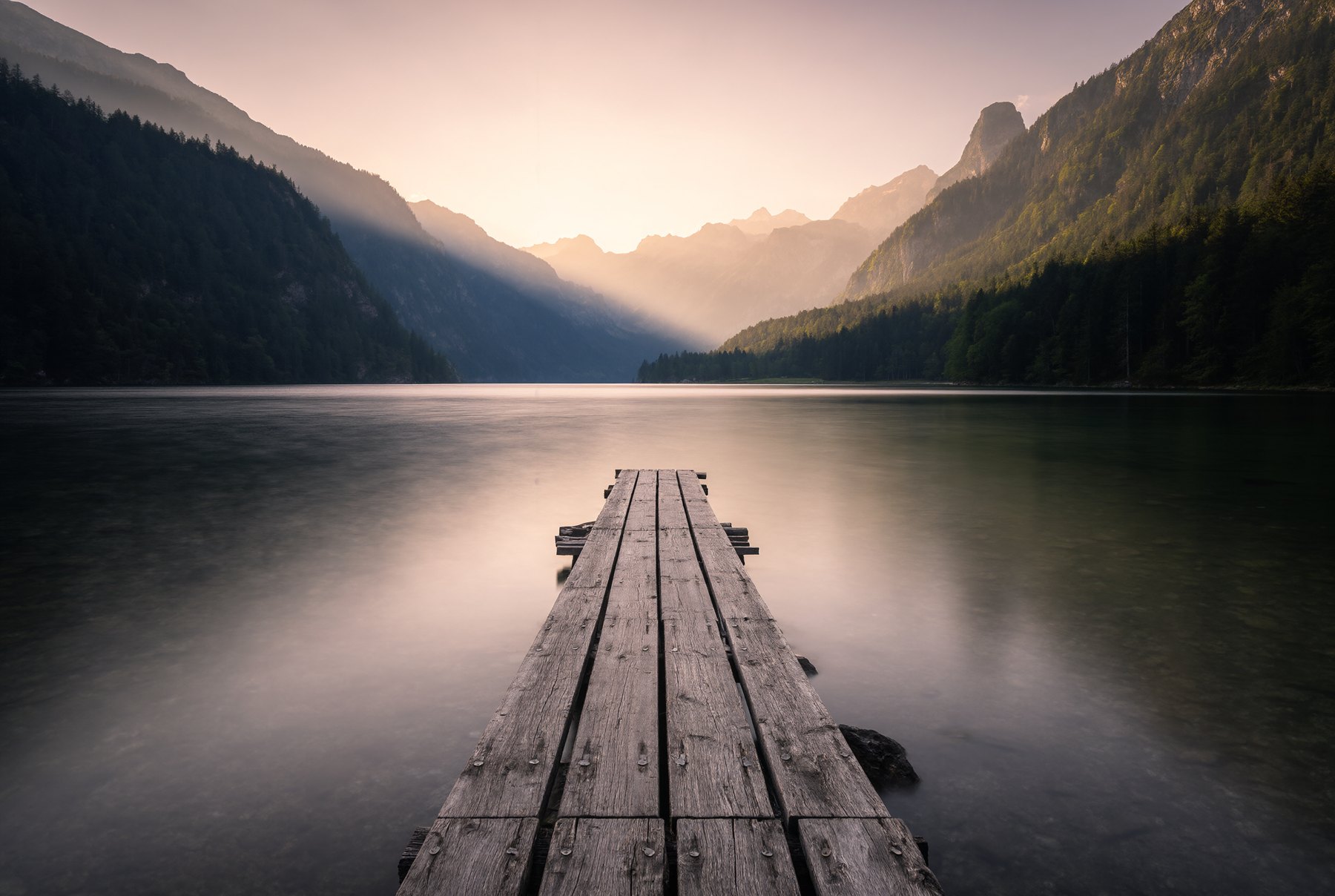
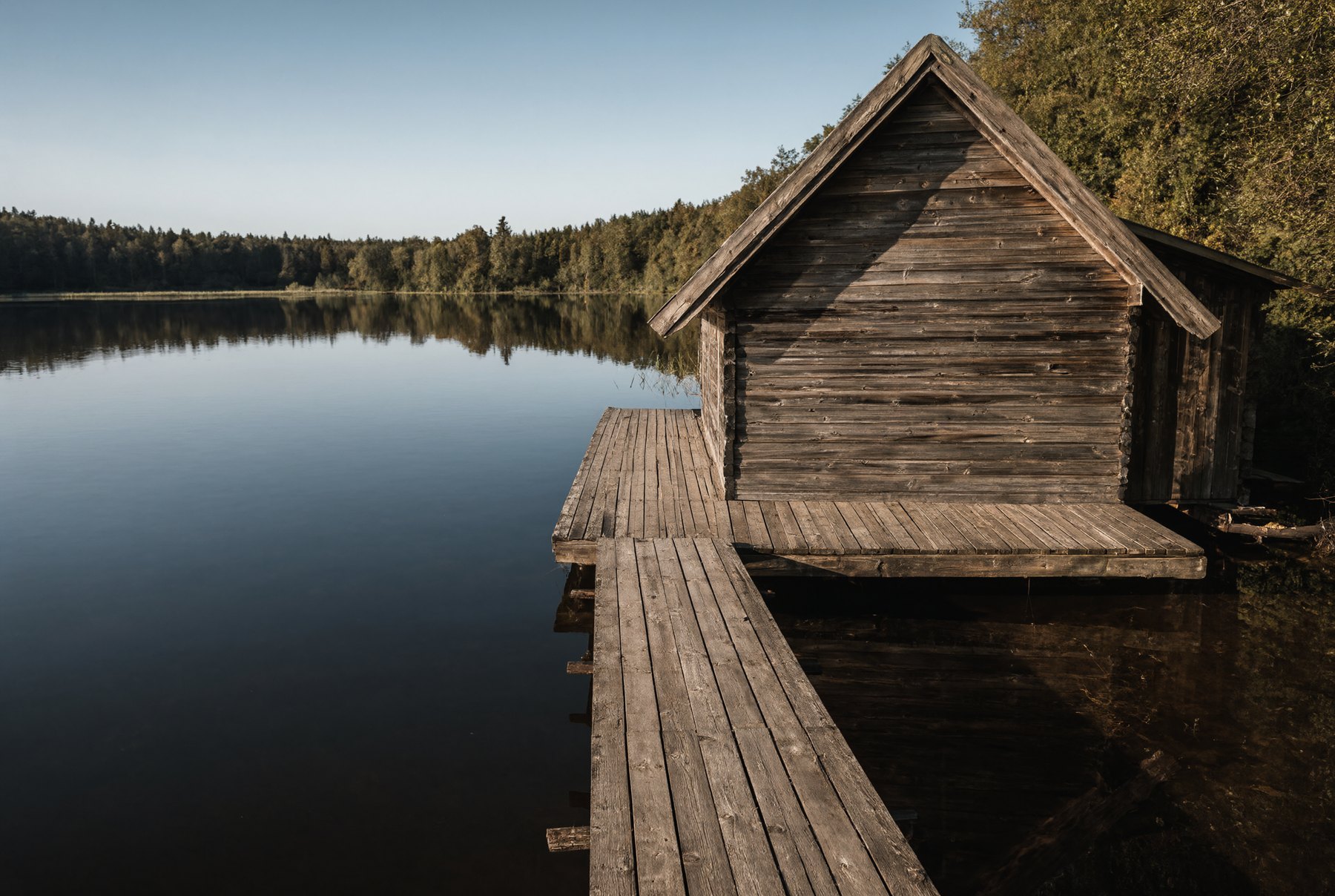
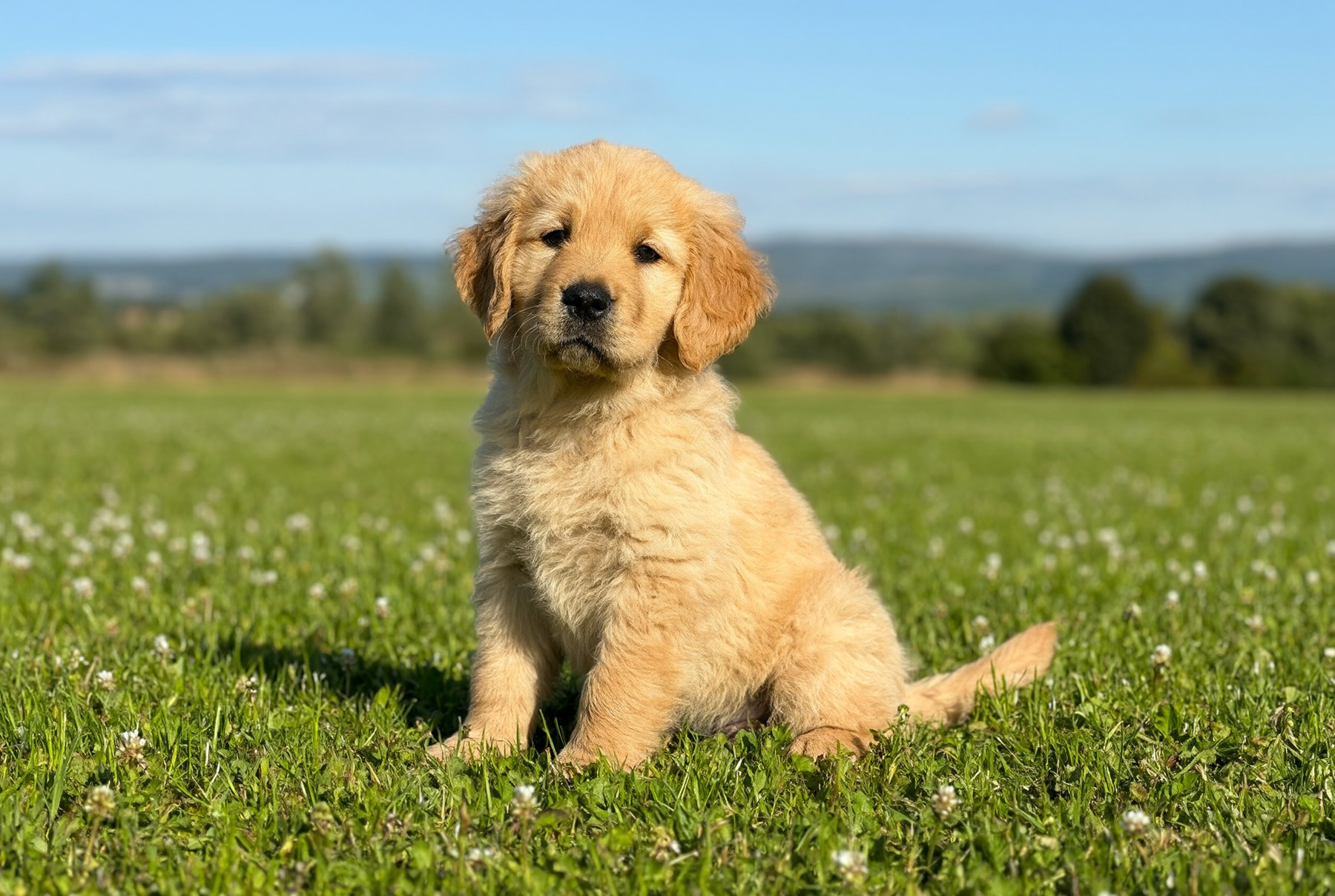
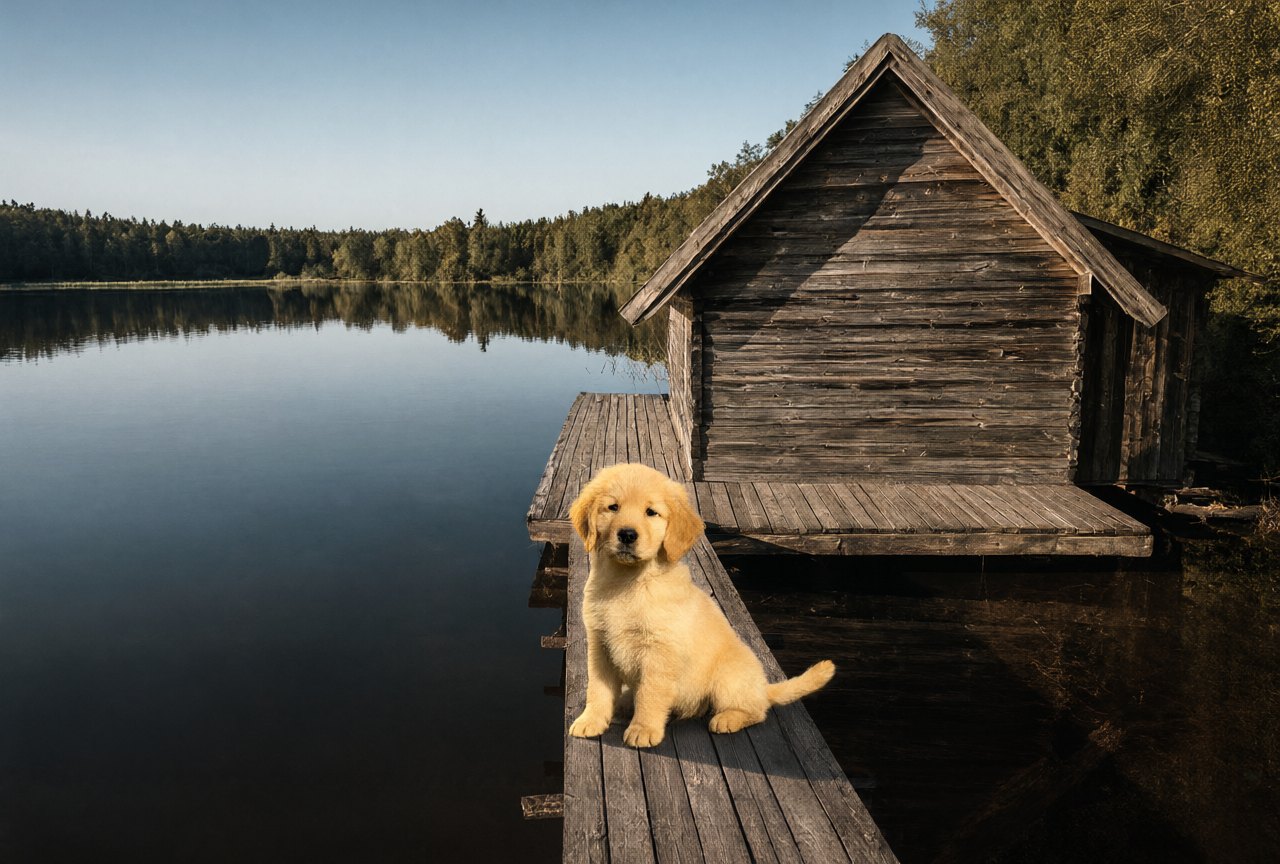
The puppy on the jetty, in the light of image 1
reference 1
reference 1
reference 2
reference 2
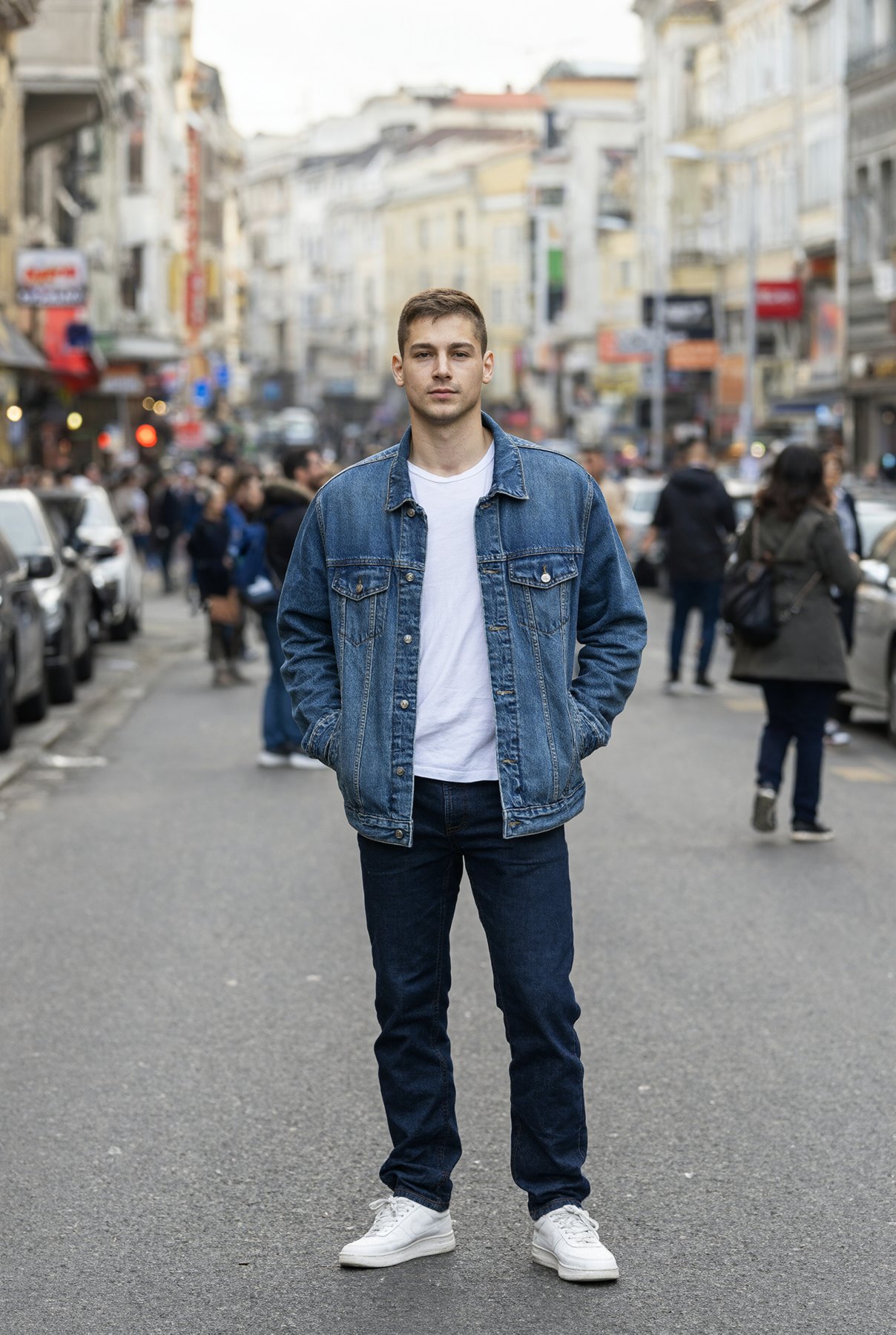
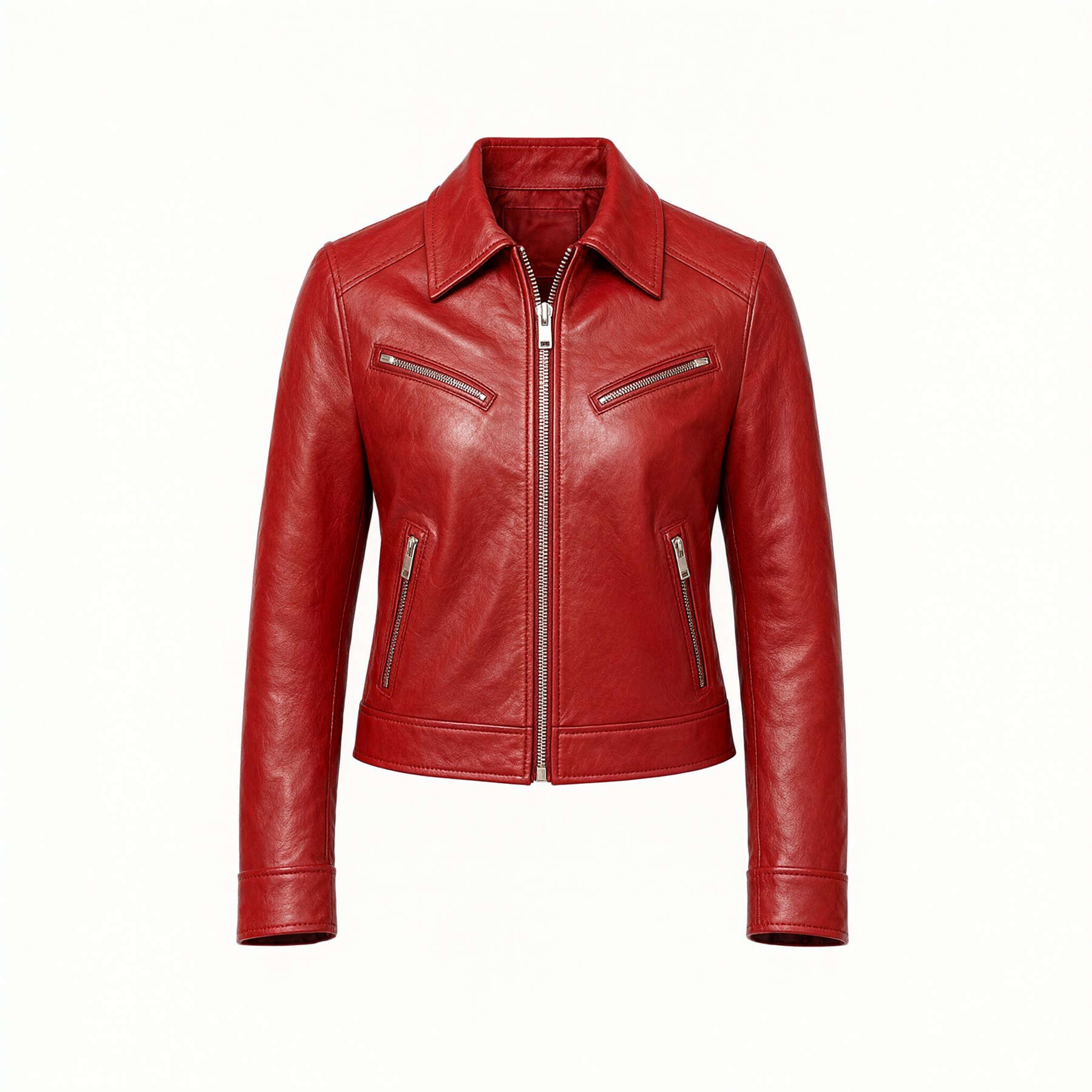
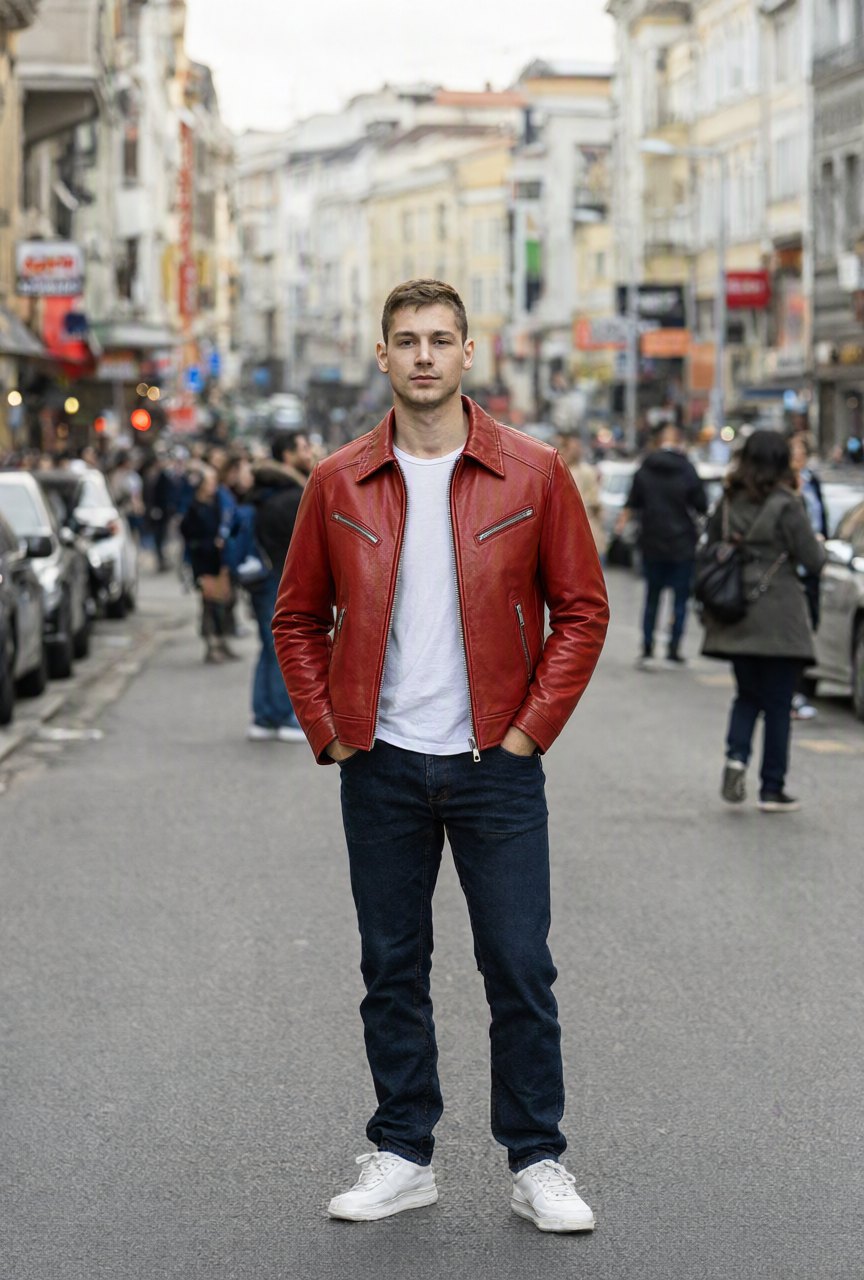
The jacket on the man, everything else unchanged

Same prompt, three models

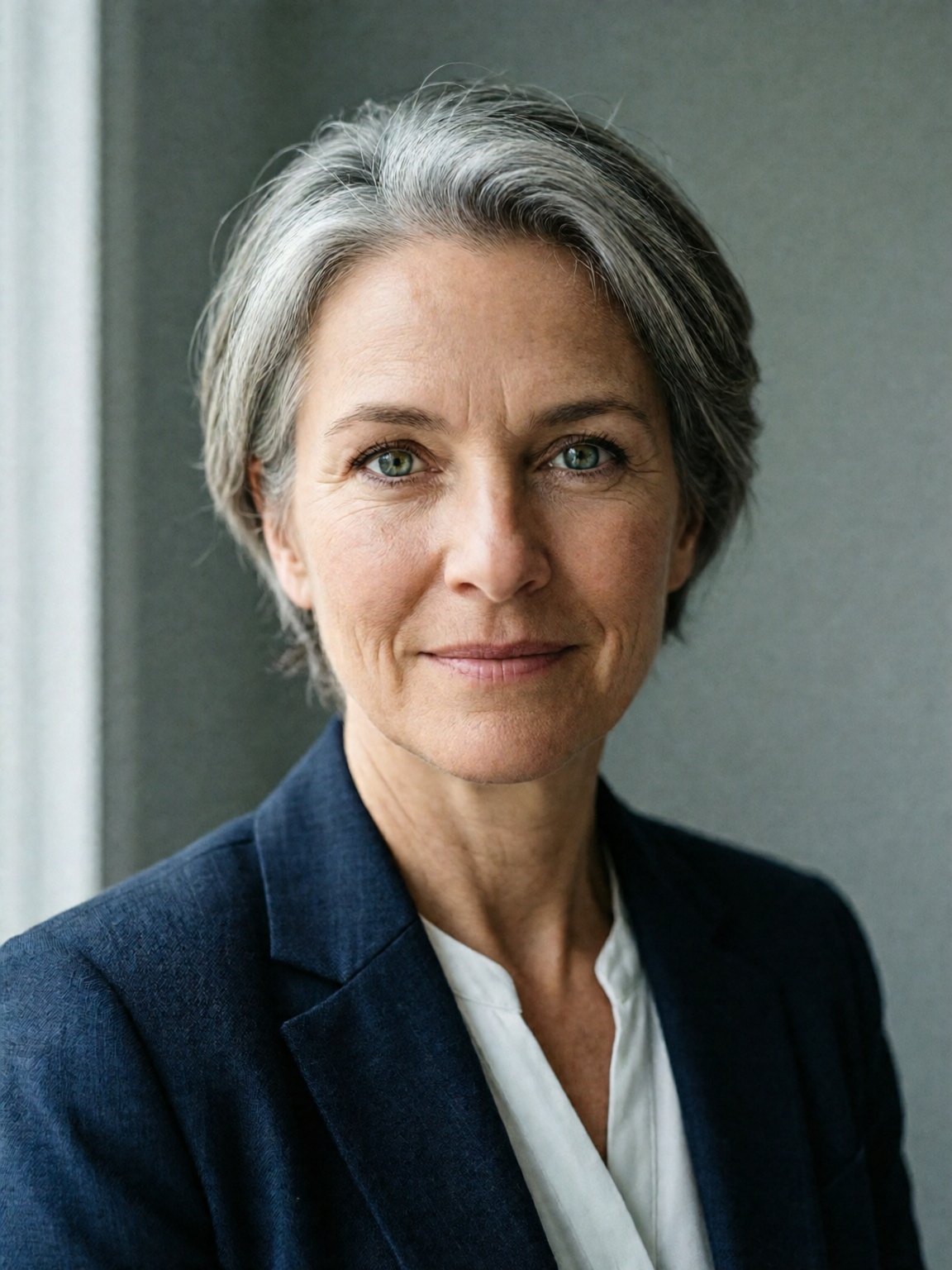
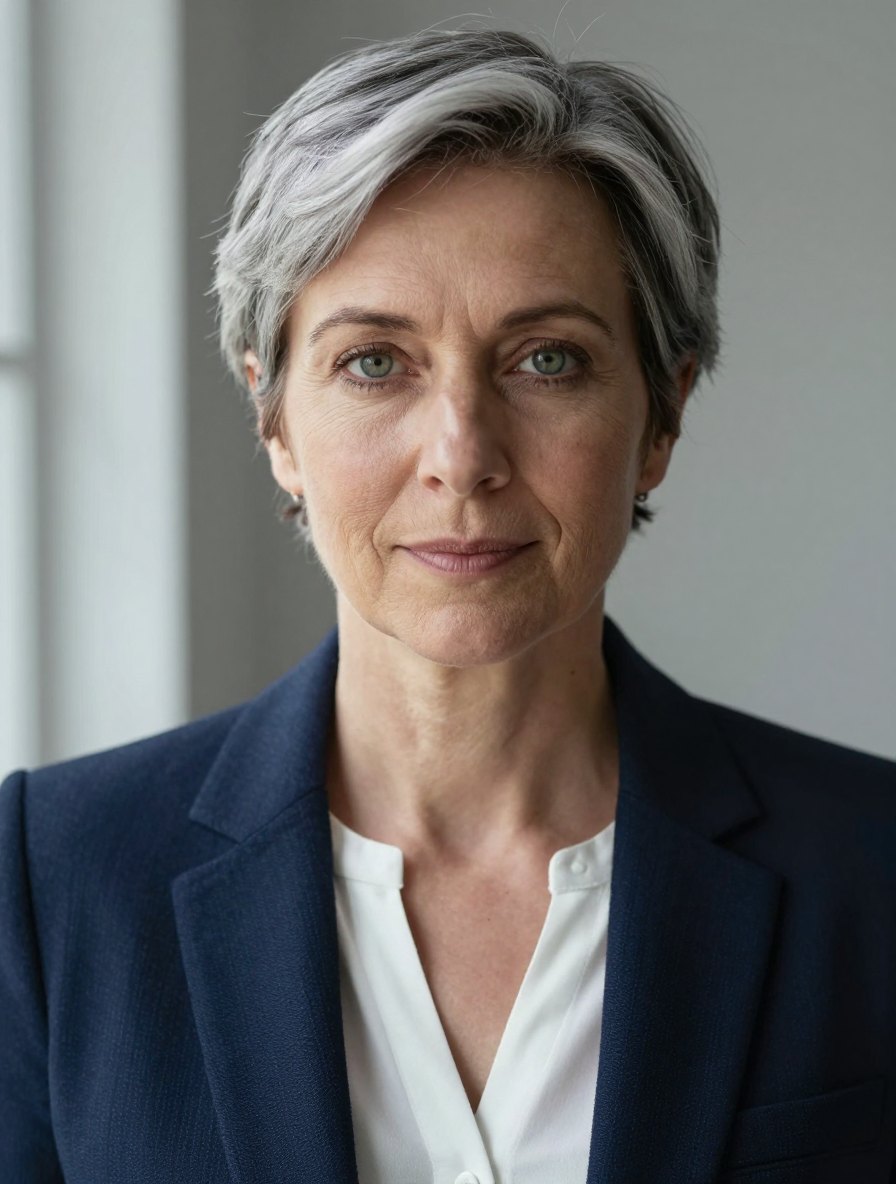
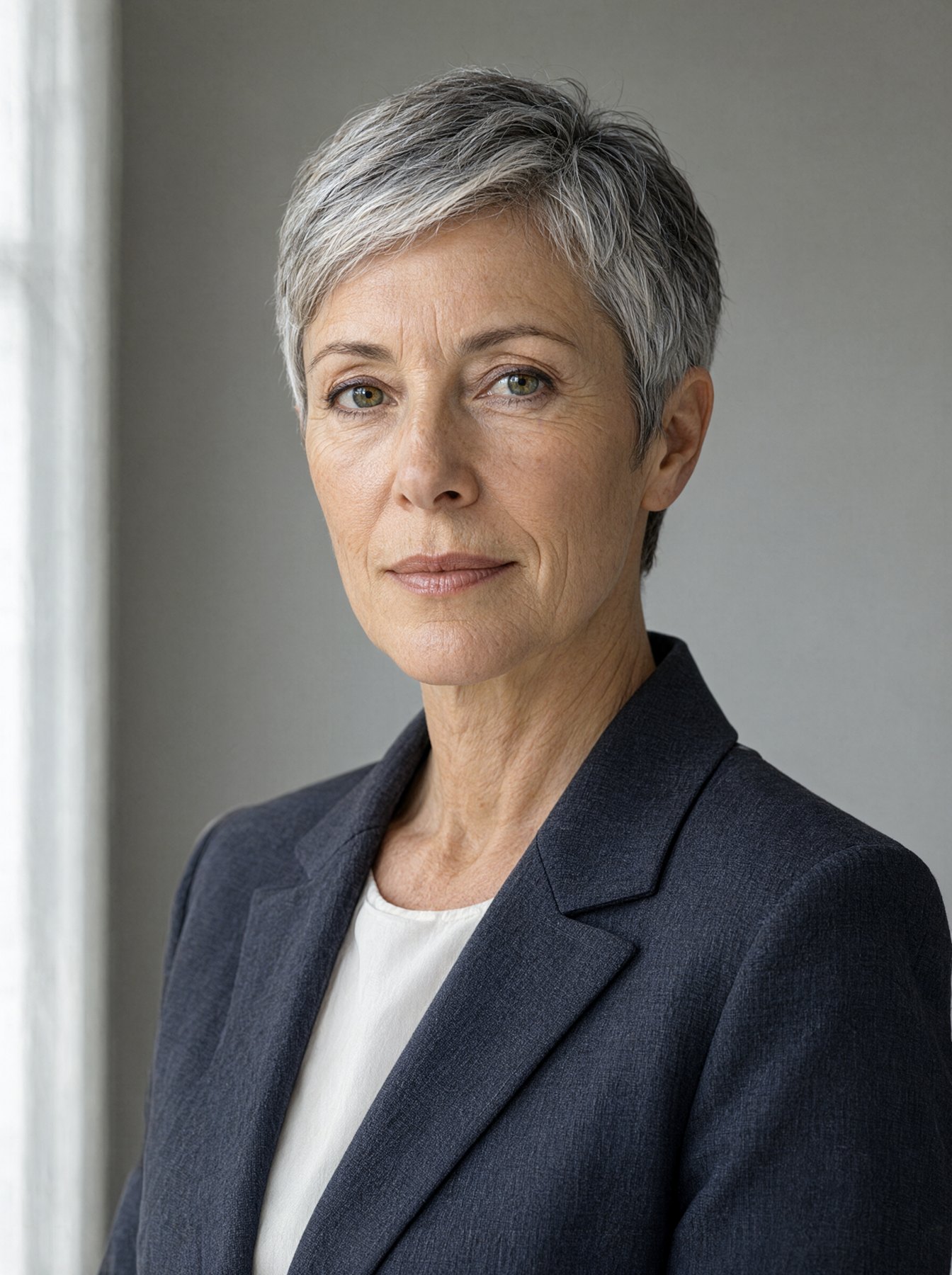
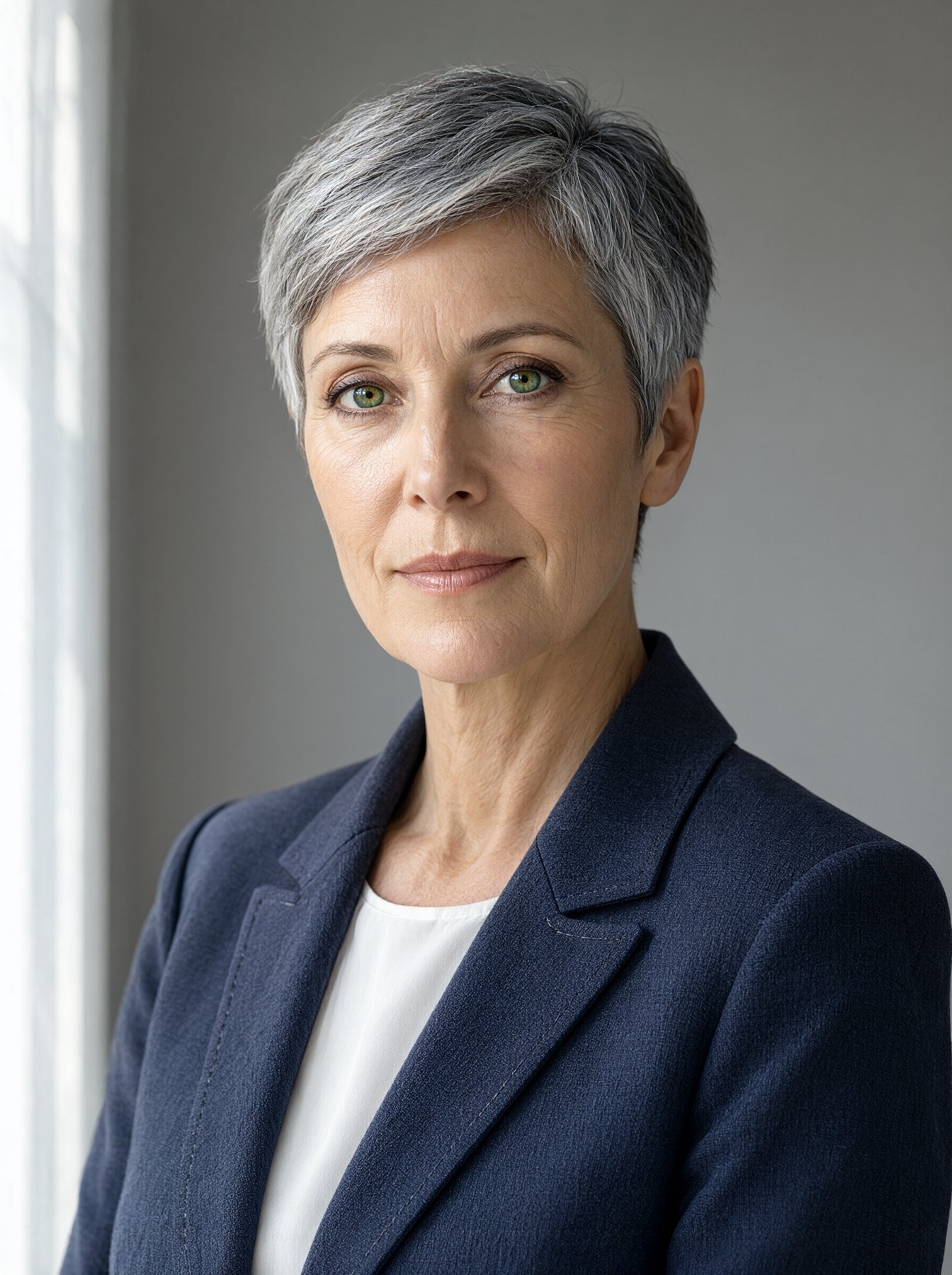
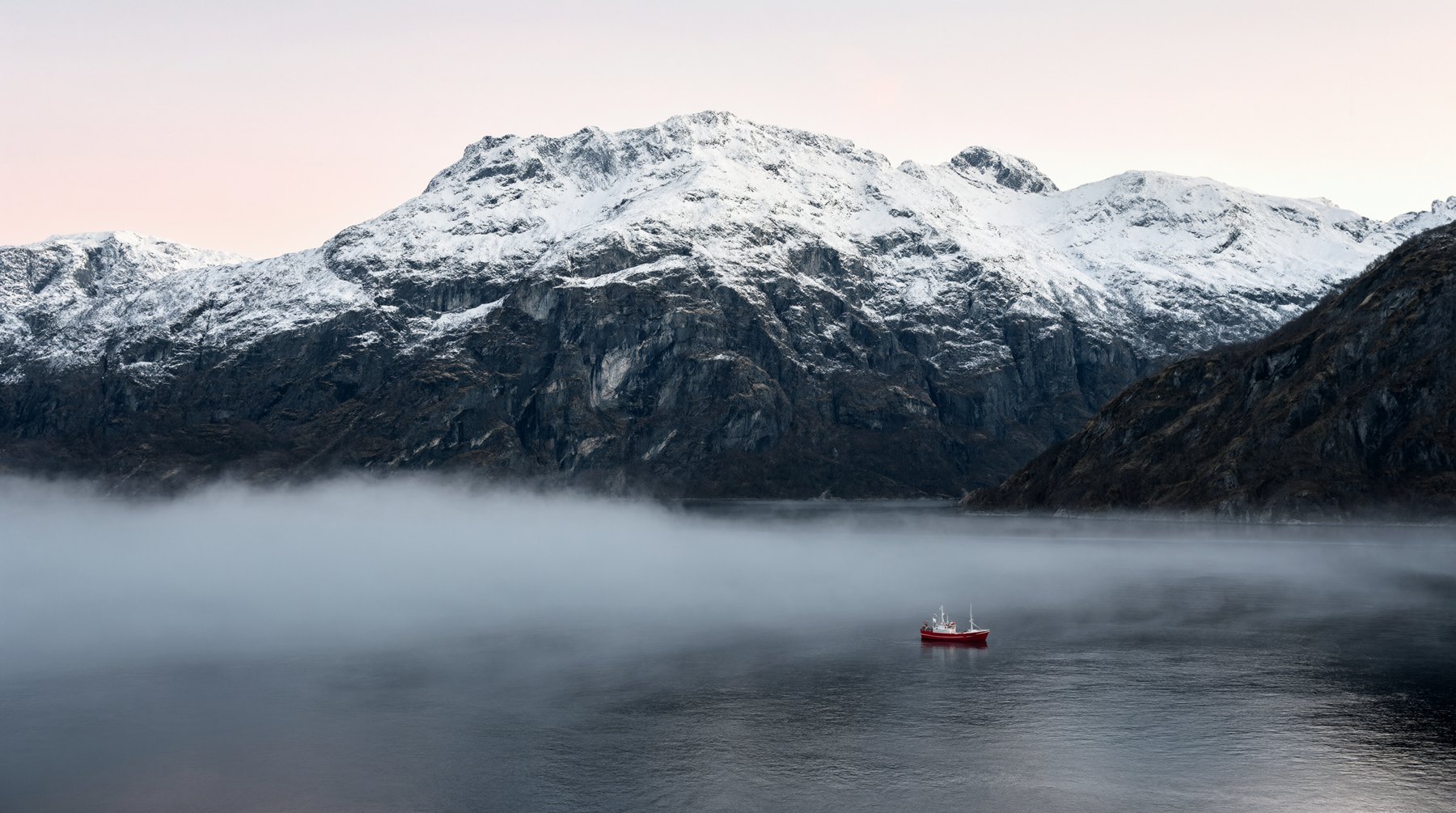
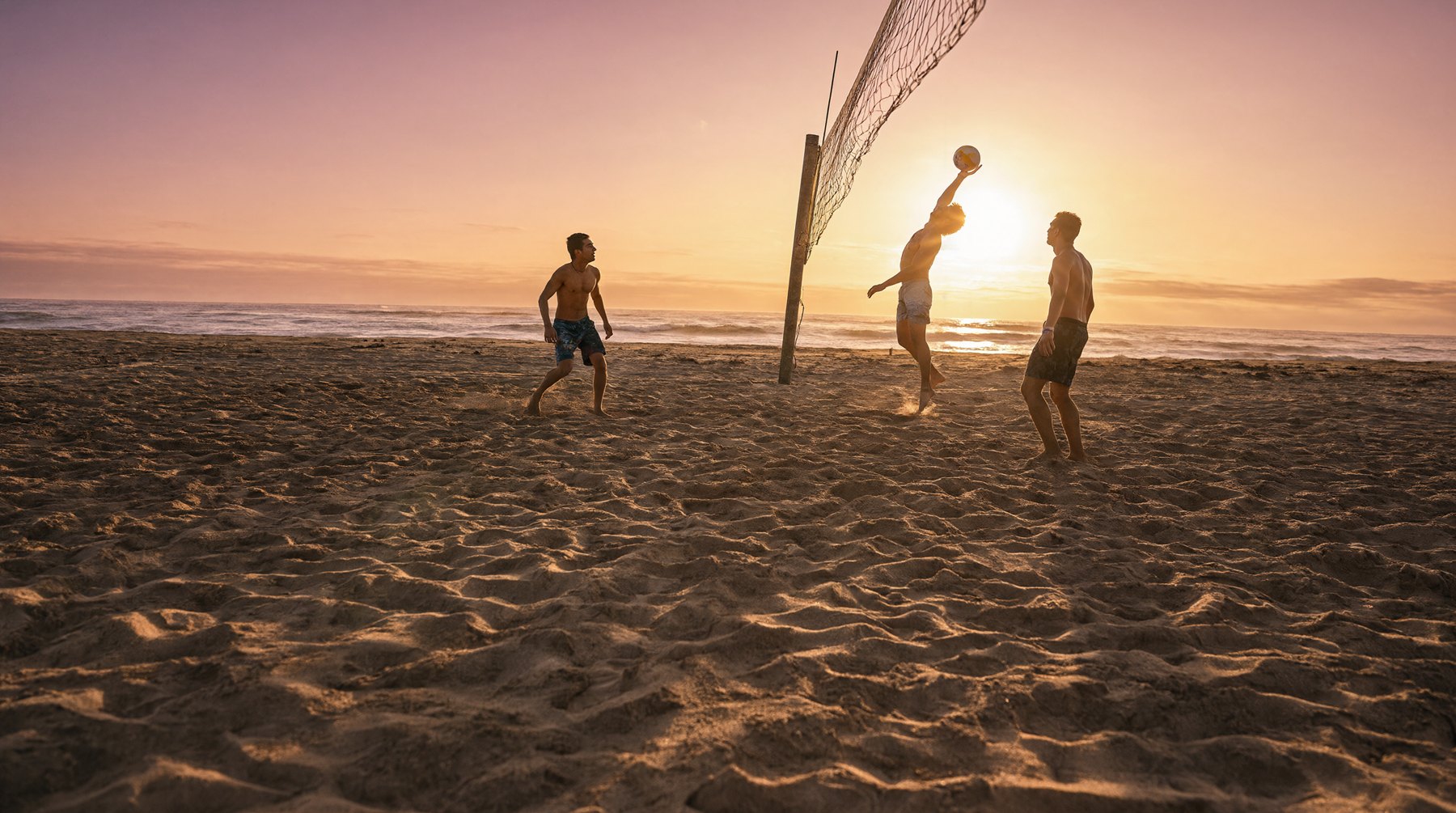
On everyday photo prompts all three models deliver, and the judge liked the warmer looks of the predecessors at the model card's CFG 1. With CFG 3 and a negative prompt Qwen-Image-2.1 wins 15 of 16 verdicts against its own CFG 1 renders and draws level with the predecessors. That is now the default, at twice the render time.

ModelJudge scorePairwise win rate of Qwen-Image-2.1 at CFG 3
Qwen-Image-2.1 · CFG 39.47beats CFG 1 in 15 of 16 verdicts
Qwen-Image-2.1 (CFG 1)9.3431 % vs 2512, 25 % vs Z-Turbo
Qwen-Image-2512 Lightning9.3850 %
Z-Image-Turbo9.3844 %

close-up portrait of a middle-aged woman with short grey hair and green eyes, wearing a navy blazer, soft window light, neutral grey background
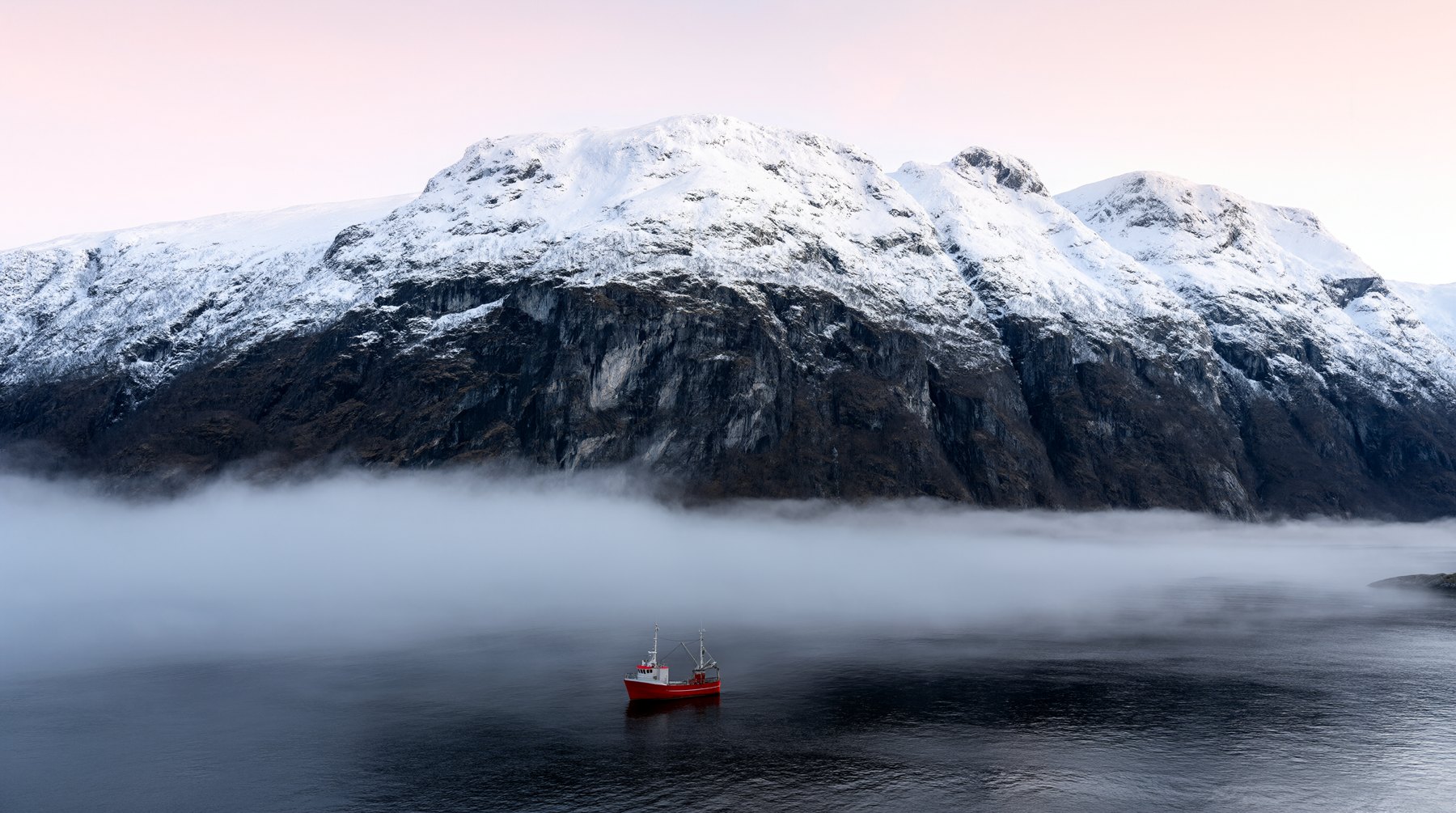
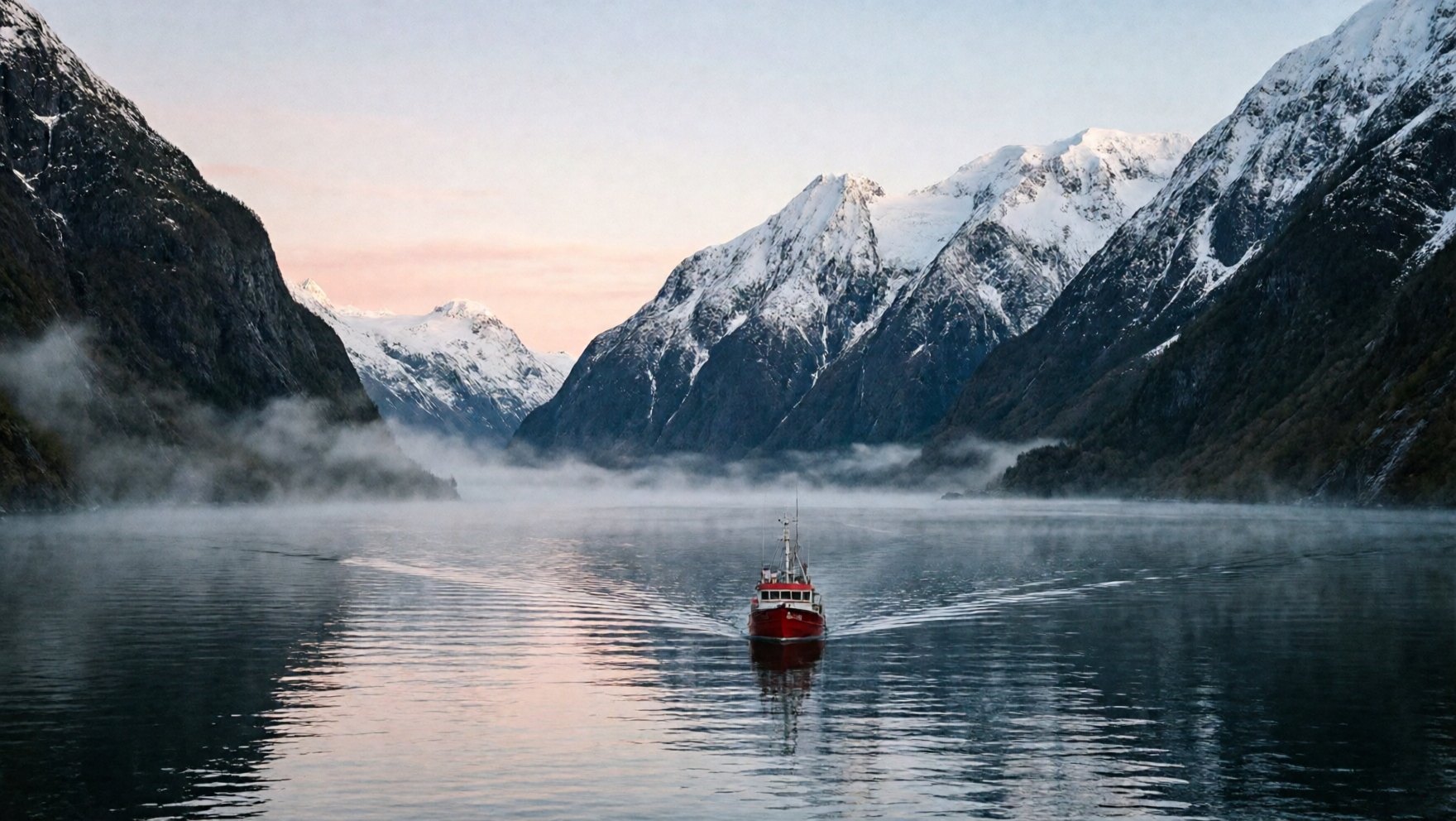
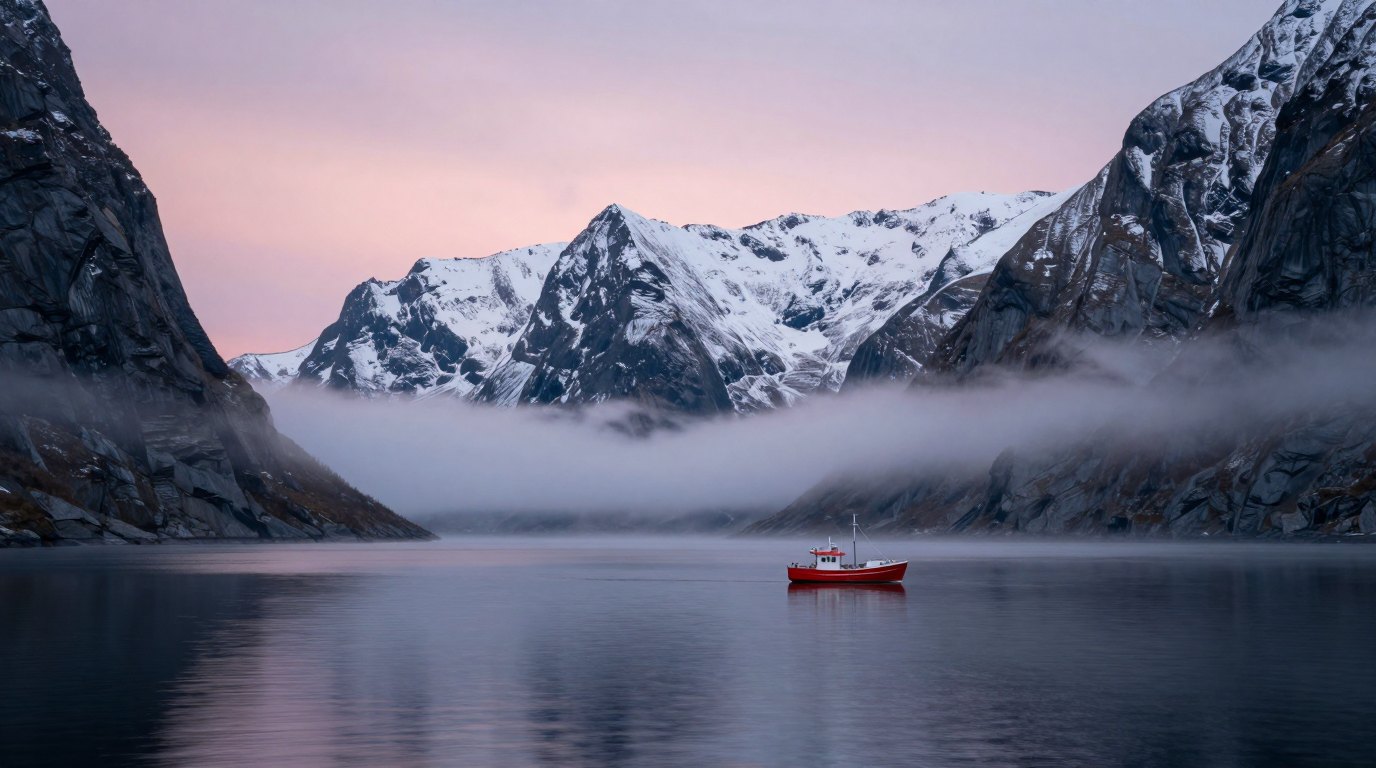
a fjord at dawn with a small red fishing boat, mist over the water, snow on the peaks
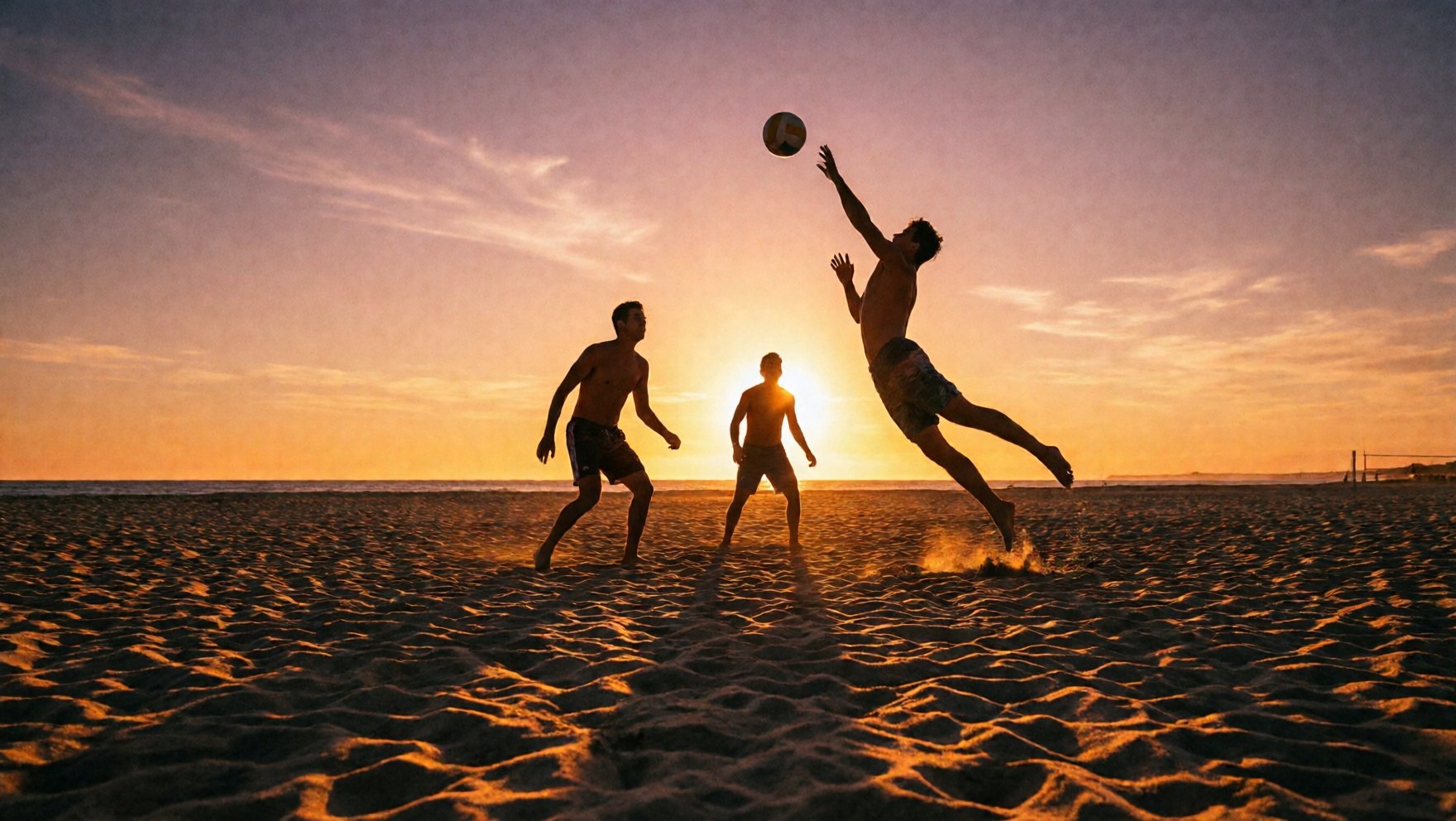
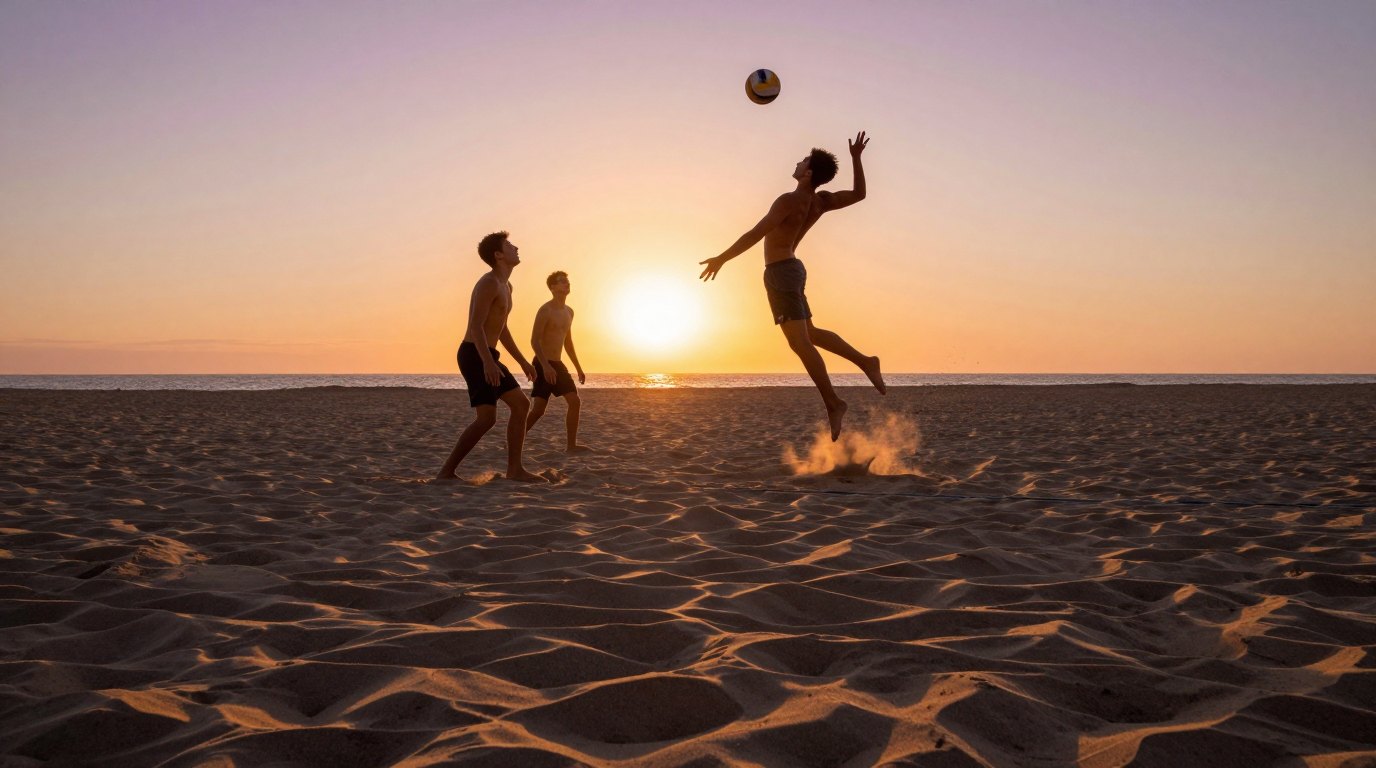
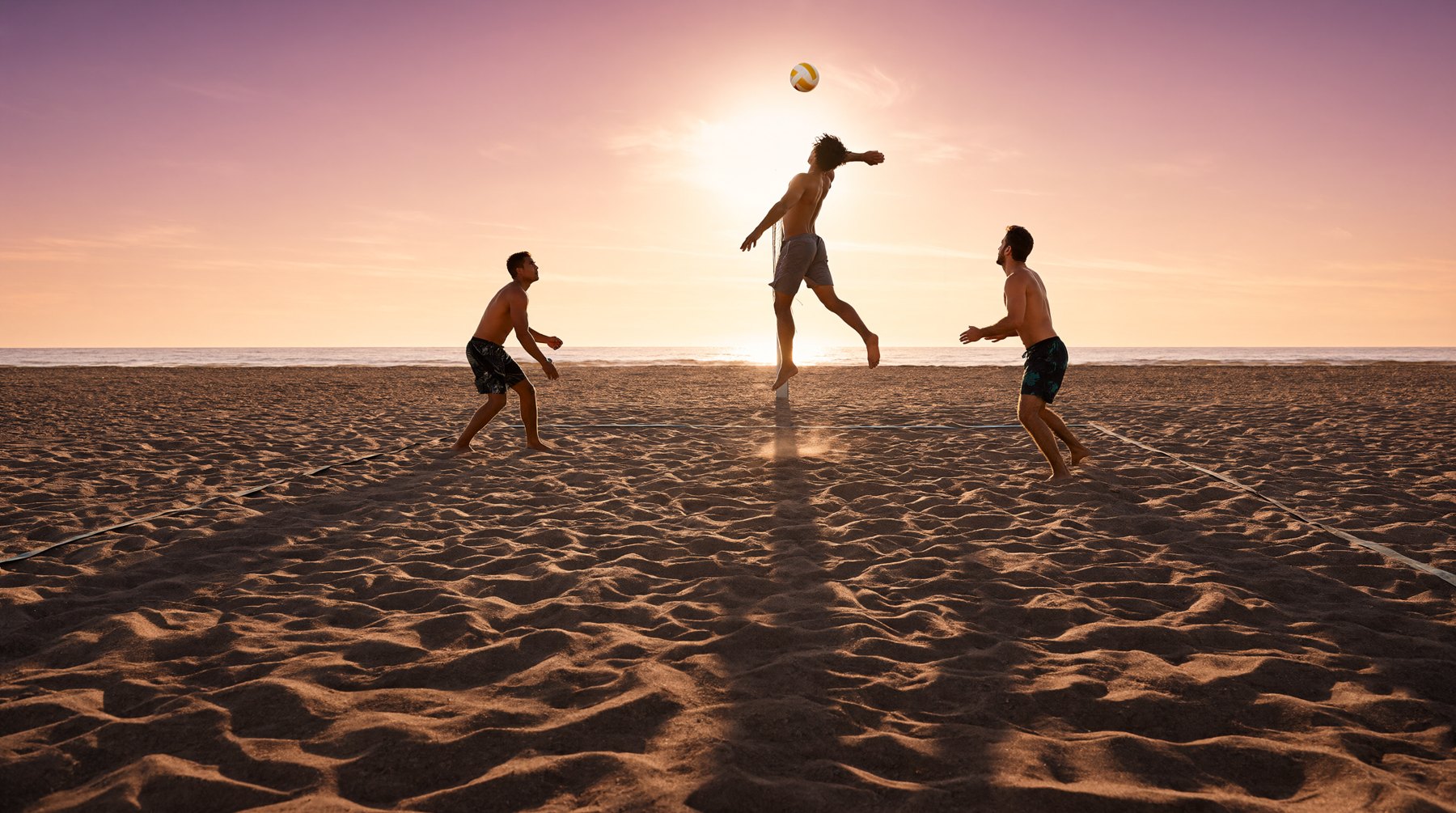
three friends playing beach volleyball at sunset, one of them jumping to spike the ball, long shadows
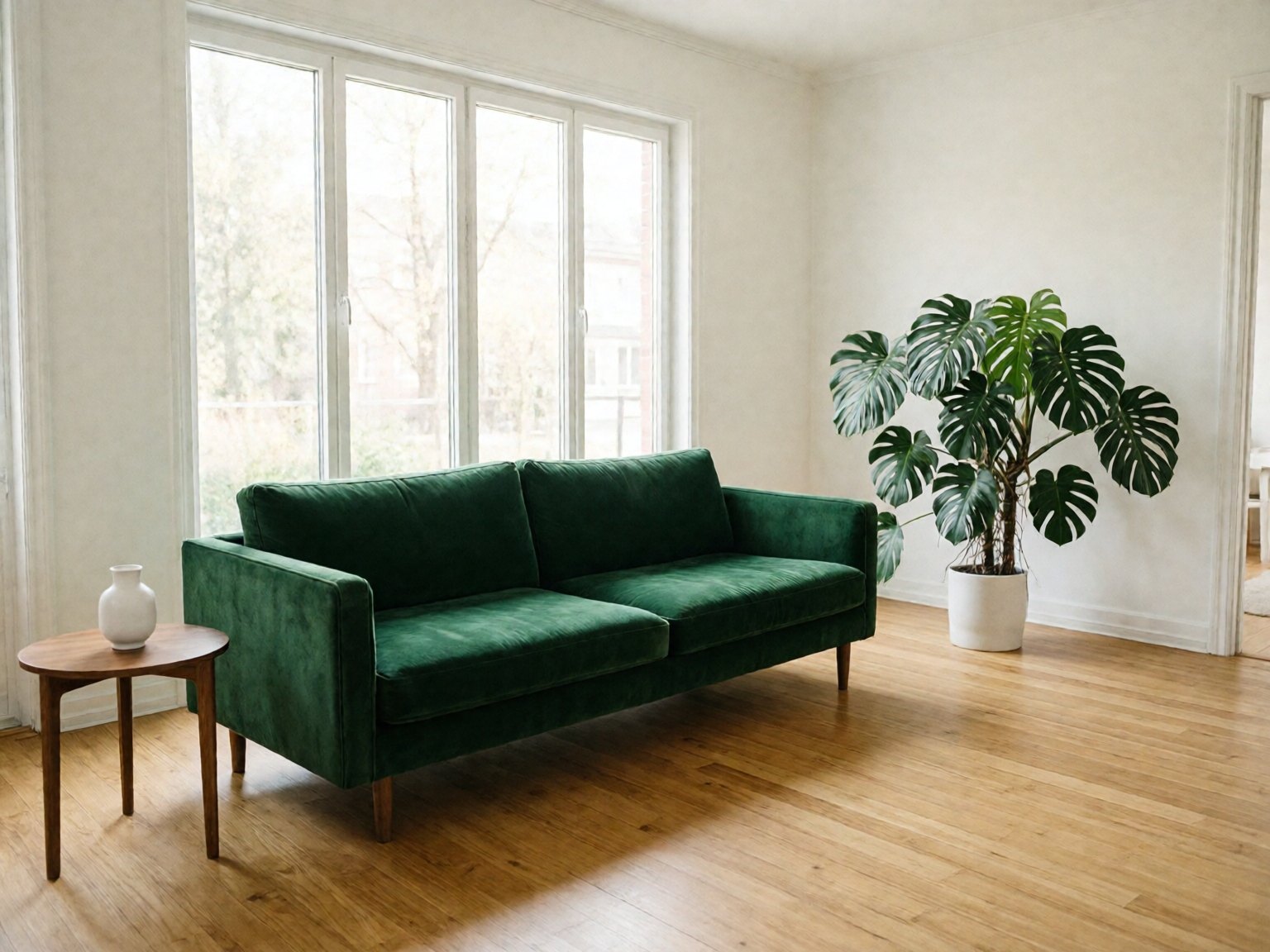
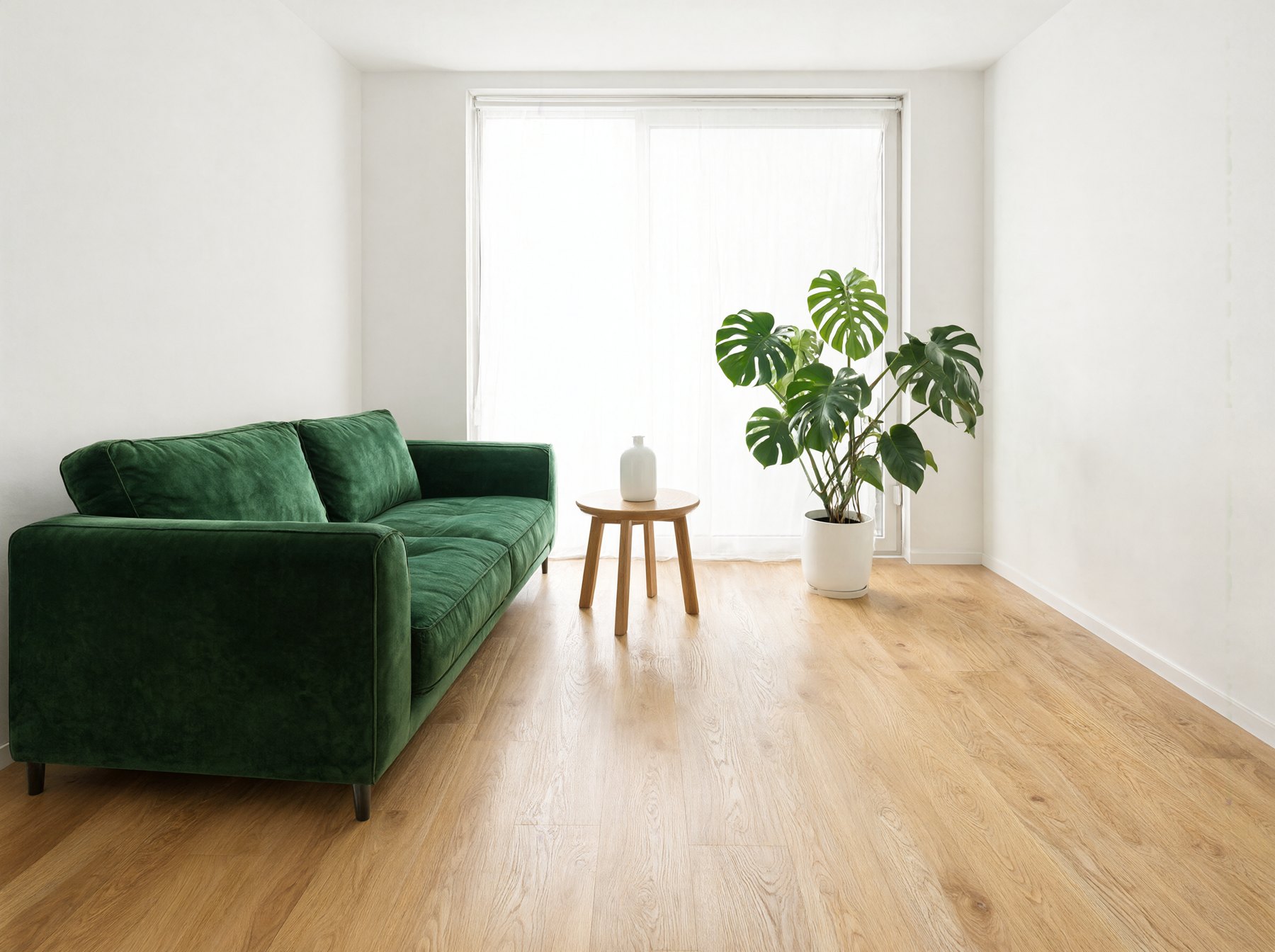
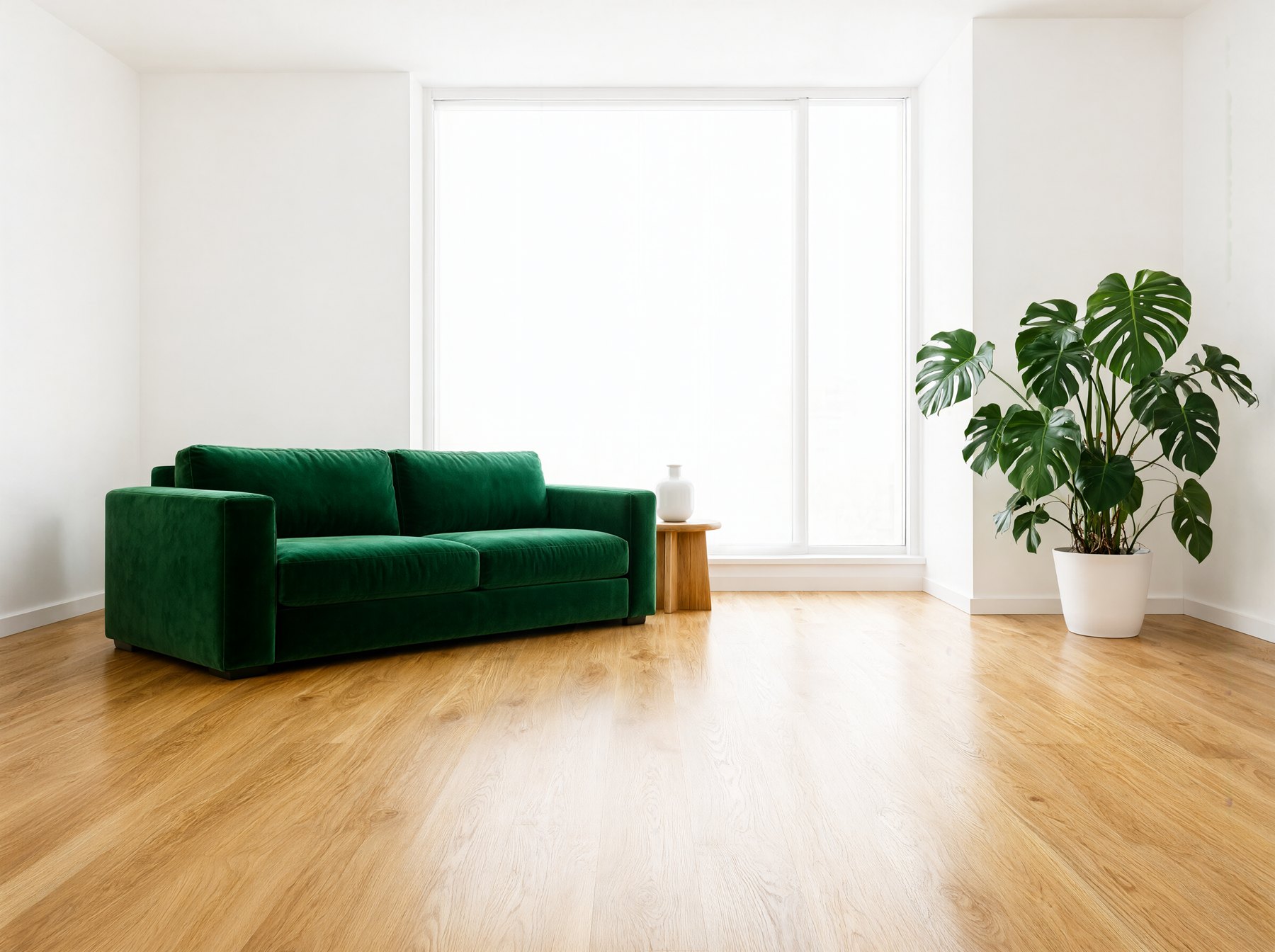
a scandinavian living room with a light oak floor, a green velvet sofa, a large window and a monstera plant
How we tested

Every request was rewritten once by a vision language model into a detailed English prompt, and that identical text went to every model. Seed 3407 everywhere, one image per prompt, native resolution per model. A vision judge (27B) scored adherence, realism, aesthetics and text on a 0 to 10 scale, checked structured fields one by one, and compared pairs in both left/right orders. We looked at every set ourselves and note where we disagree with the judge.

Hardware: one RTX 5090 per model. Qwen-Image-2.1 ran in bf16 with an int8 text encoder. Along the way we fixed two things in our own pipeline that the benchmark exposed: tiled VAE decoding that left faint seams at 2K, and out-of-memory retries that silently halved edits.

Every score, prompt and defect